Pfizer details 25‑strain infant vaccine data as pivotal trials advance
A 401-infant presentation compared immune responses and safety with Prevnar 20; the company has not dated its pediatric Phase 3 readout.
Medical and pharmaceutical developments, psychedelics, and the research and safety questions around them.


A 401-infant presentation compared immune responses and safety with Prevnar 20; the company has not dated its pediatric Phase 3 readout.
An independent board will review ReMEDy2 in Q1 2027 and may resize the study to as many as 728 participants or stop it for futility.
The hepatitis B developer can pursue further United States testing, but has not disclosed a new trial design or start date.
The developer will stop internal Rejuva gene-therapy work and forecasts cash into Q2 2027, ahead of a potential 2028 launch.
A 131-patient registry analysis found higher graft risk, while a separate randomized trial reported 49% fewer kidney biopsies.
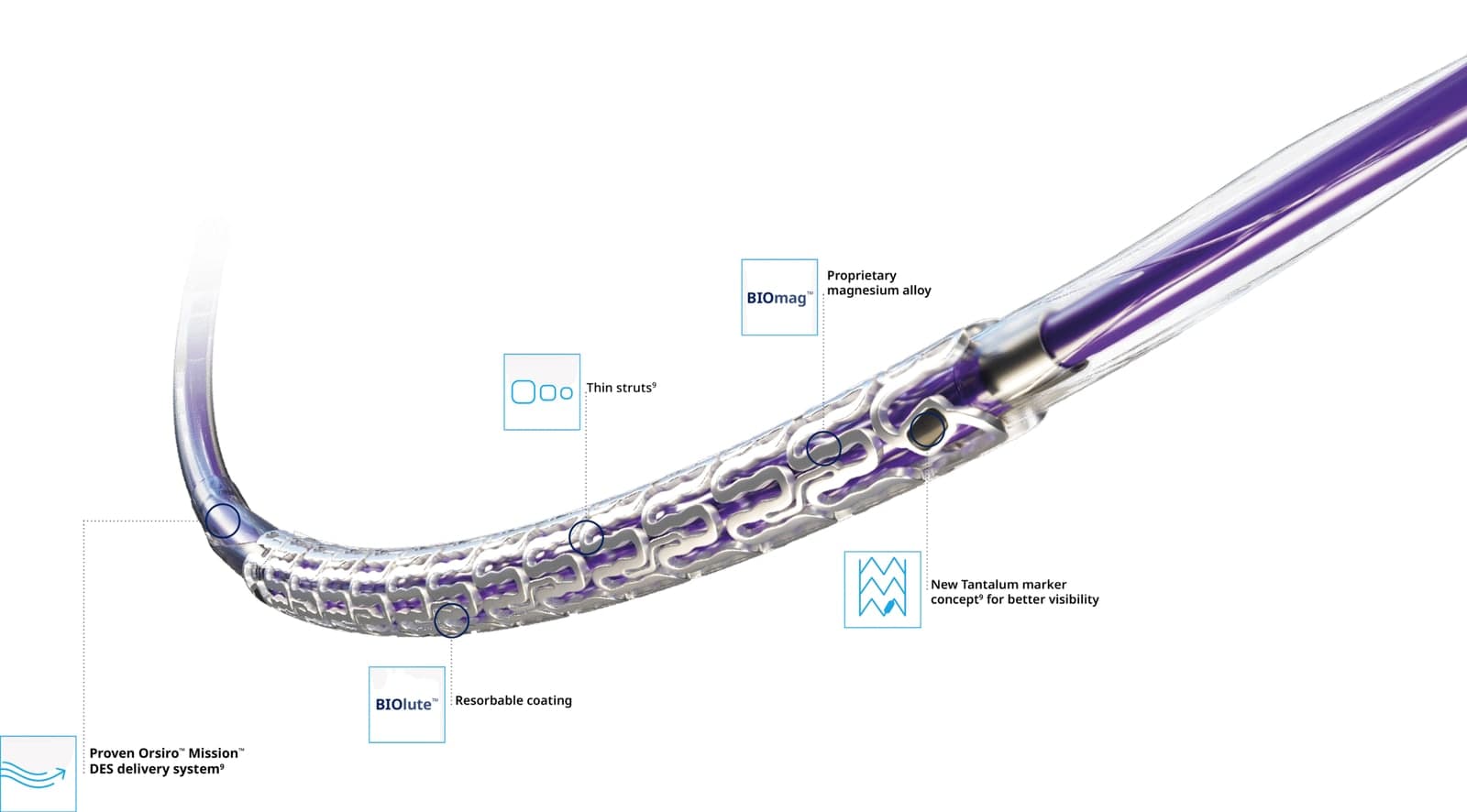
A 1,859-patient pivotal trial will compare the resorbable implant with Xience, with primary completion estimated for June 2029.
The 24-week injection course targets eligible adults without cirrhosis, with boxed liver and platelet warnings.
The indication covers severe symptomatic leakage despite medical therapy, with pivotal one-year findings due at TCT.
Confirmed disability progression affected 11.7 per cent with continuous treatment versus 17.4 per cent after an initial comparator.
Patients aged 12 and older gain an alternative to capsules, while the approval release gives no launch date for the new strength.
The capsules are intended for three programs, including a Canadian Phase 3 PTSD trial of up to 100 people expected to begin in 2027.
The placebo-controlled study tests two doses of NBI-'567 over 12 weeks, with primary completion estimated for May 2028.
The 2027 rollout will connect Onclarity home collection with Quest's clinician, health-plan and consumer channels.
The non-exclusive Stevens agreement covers gel and spray formats, but Kane's announcement gives no minimum orders, pricing or revenue forecast.
The Oct. 20 announcement says the process frees capacity for other biosimilars but gives no implementation date or quantified unit-cost savings.
The 183-patient APOLLO study met both primary endpoints, with an FDA resubmission planned by the end of 2026.
The Vanderbilt development partnership will pair CT imaging with blood biomarkers, with initial performance data due Dec. 3.
Half of induction responders were in remission at one year in the uncontrolled Phase 3 study; Lilly plans global regulatory submissions.
The uncontrolled Phase 2 analysis used a September 2025 cutoff; Zentalis will present the survival data at ESMO on Oct. 23.
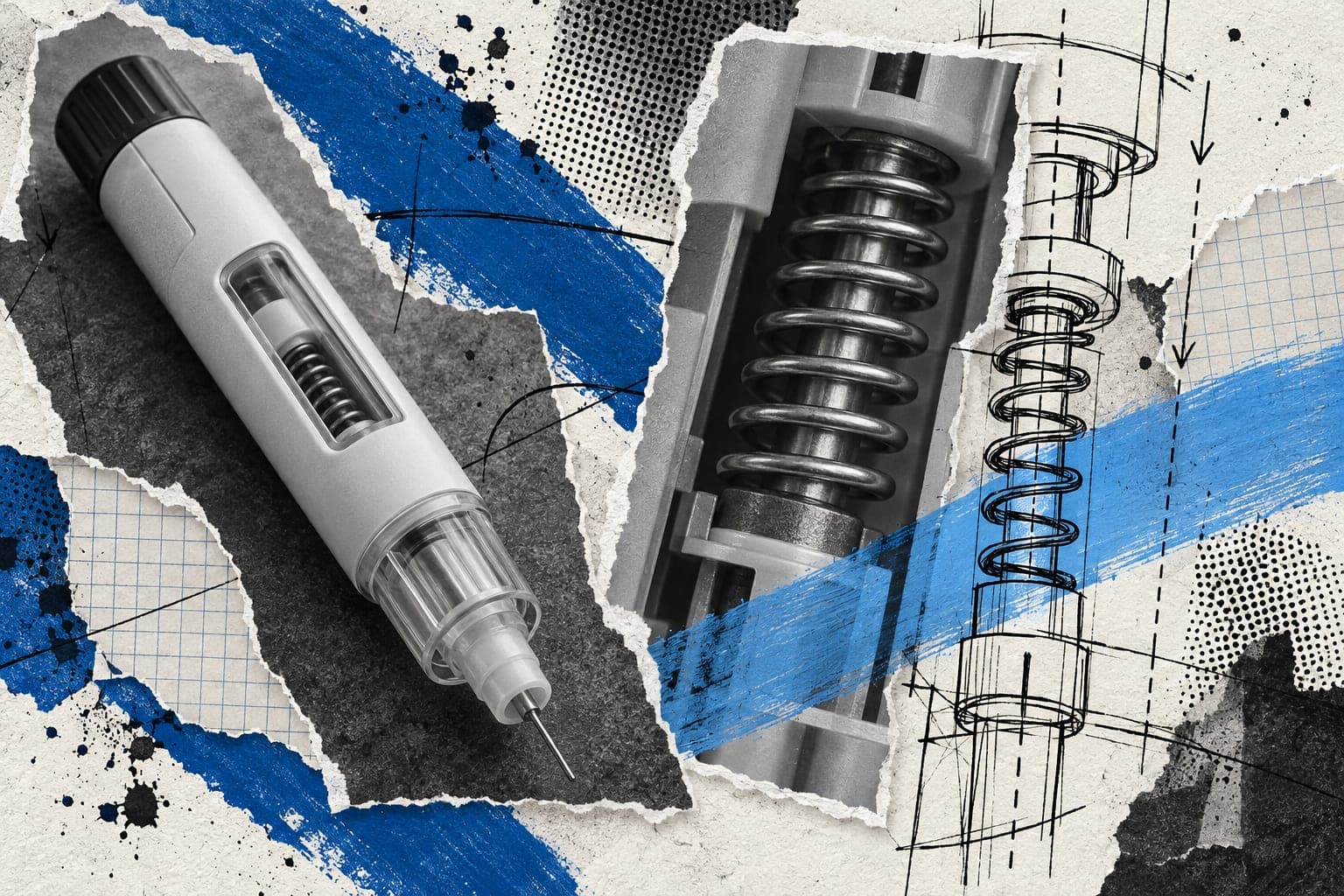
The once-daily device adds a second ZILBRYSQ self-injection format for adults with anti-AChR-positive gMG, with availability expected in the first quarter of 2027.
The nonprescription apraclonidine drops are approved for people aged 12 and older, with a U.S. retail launch expected in the coming months.
Ryzumvi's expanded indication triggers a milestone payment, while U.S. commercial rights belong to Viatris.
The hormone-free IUD remains approved for three years, with an FDA decision on a duration extension expected in the second quarter of 2027.
U.S. enrolment is expected in early 2027, with up to 80 adults testing EB06 against placebo and topline results due late that year.
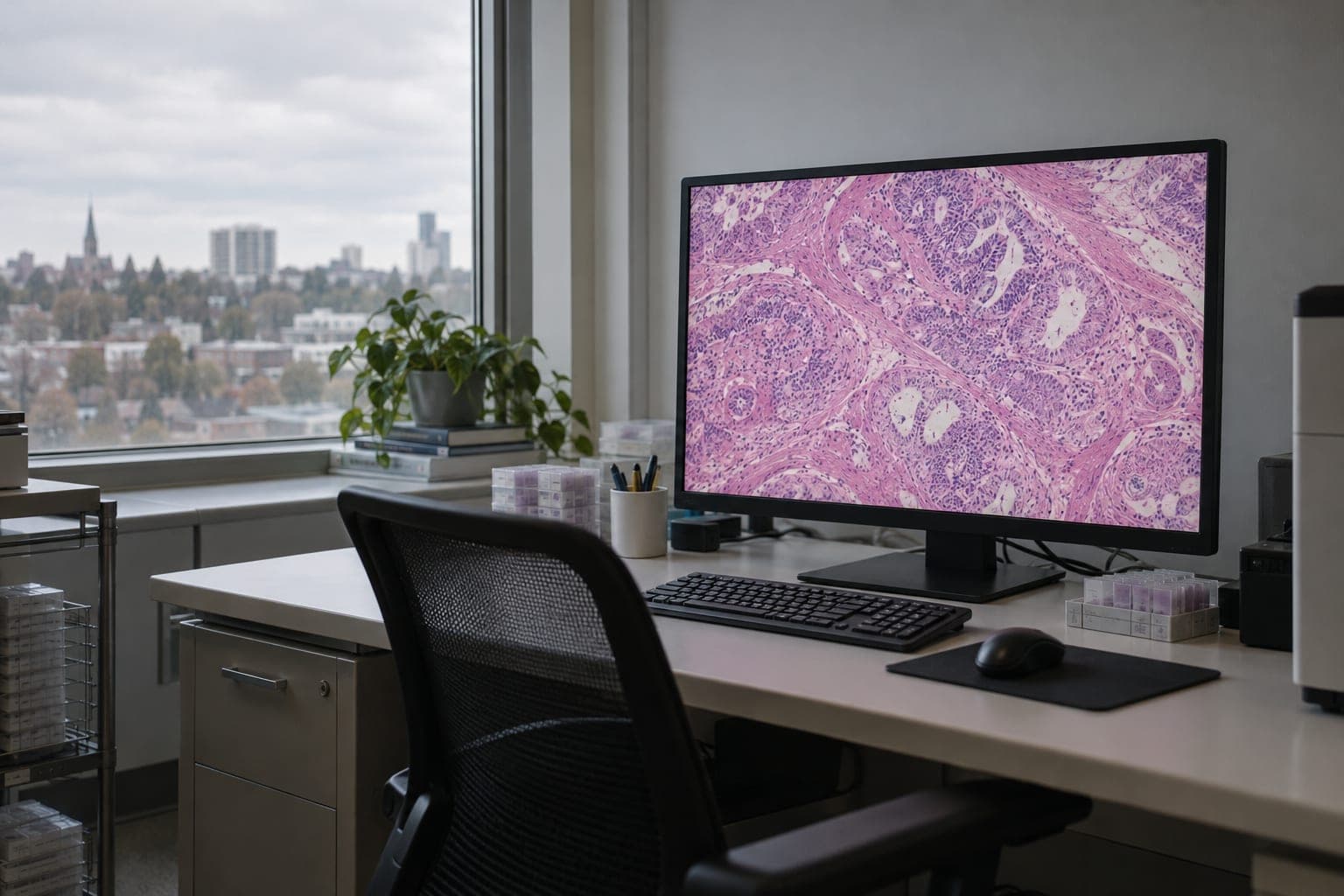
The expanded rollout will use cloud-based HALO AP, which the Oct. 15 release identifies as research use only in the United States.
Gilead gets exclusive development rights to three discovery programmes, with preclinical and later milestone payments contingent on progress.
China’s indication includes patients aged 16 and older, while Japan’s covers adults; U.S. availability is expected in November after DEA scheduling.
The approval adds adults with high-grade, BCG-unresponsive disease ahead of the Jan. 6, 2027 review target.
Cash is payable at closing, subject to antitrust conditions; two announced voucher agreements total US$413 million.
The 13-person study had no control group and a safety primary endpoint, with a separate CVID readout expected in November.
The court awarded appeal costs; the A$7.40-a-share deal was terminated in December 2025, and Mayne is pursuing damages.
The Oct. 7 letter addresses quality-system responses, while Olympus says it brings no new production or distribution restrictions.
PAH sales continue, PH-ILD promotion ends and cash payments run into April 2027; Liquidia expects to fund them without new financing.
The adjusted earnings midpoint rises six cents to US$11.10 a share as drug sales grow faster than medical technology revenue.
The 145-patient MAXPIRe study missed its lung-function endpoint; safety was comparable to placebo and graft-versus-host disease trials continue.
The treatment improved itch scores by 0.98 points more than placebo, with a supplemental U.S. drug application planned for the first half of 2027.
GenSci holds exclusive China rights, while Foresee's licence provides milestone payments and a share of product revenue.
The uncontrolled SYNCHRONICITY study reported a 3.6-letter vision gain at six months, with improvements maintained through two years.
The 60 mg dose met ALOFT-IPF's lung-function endpoint, but the topline release gives no effect size or filing date.
ICP-B161 is the company's fifth candidate to enter clinical development in 2026; the release gives no enrollment timetable.