CannabisRegulations
Curaleaf reports competition clearances for Aurora Cannabis bid
Canada and Germany have completed competition reviews, Curaleaf says, while its offer remains outstanding until Dec. 4.
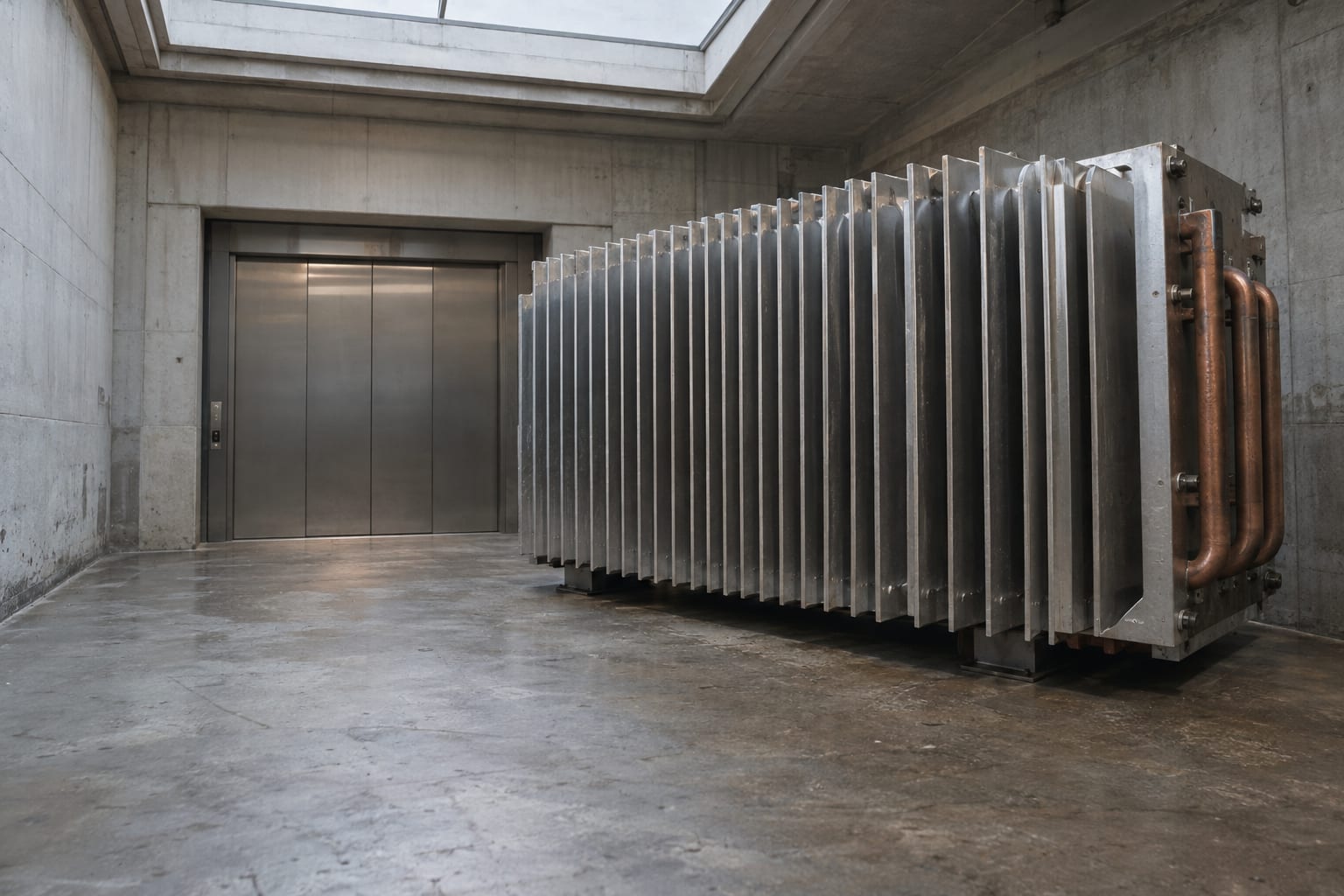
Contracted GPU-cloud run rate includes undeployed capacity, while HIVE's year-end expansion target remains conditional on financing.
Canada and Germany have completed competition reviews, Curaleaf says, while its offer remains outstanding until Dec. 4.
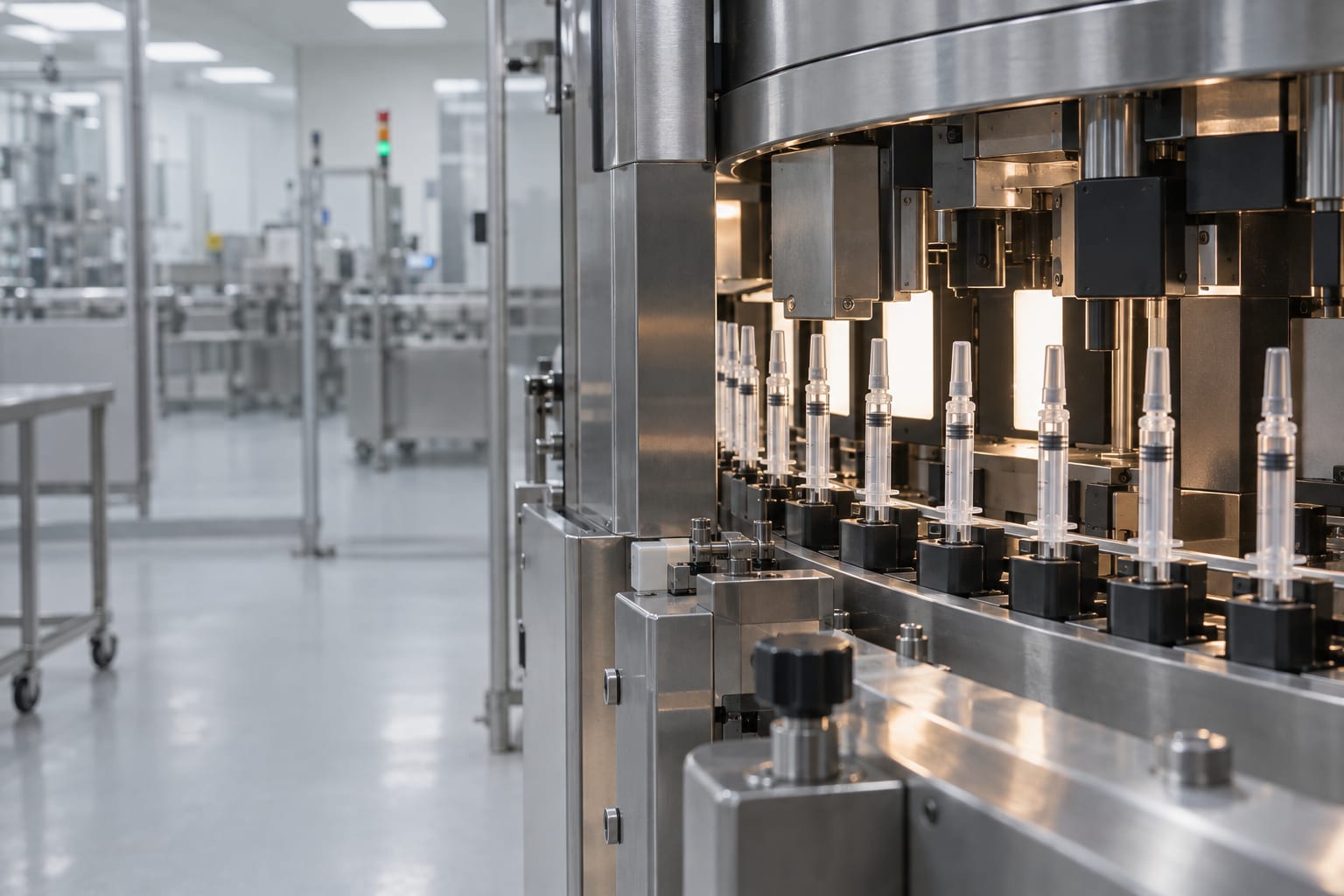
Weekly brelovitug achieved a 59 per cent combined response, and Mirum plans an FDA filing in the first half of 2027.
True widths remain unknown as the first Skiråsen infill hole tests resource confidence at the wholly owned Swedish gold project.
Nine-month orders rose 611 per cent, but the third-quarter adjusted EBITDA loss widened to US$37.7 million.
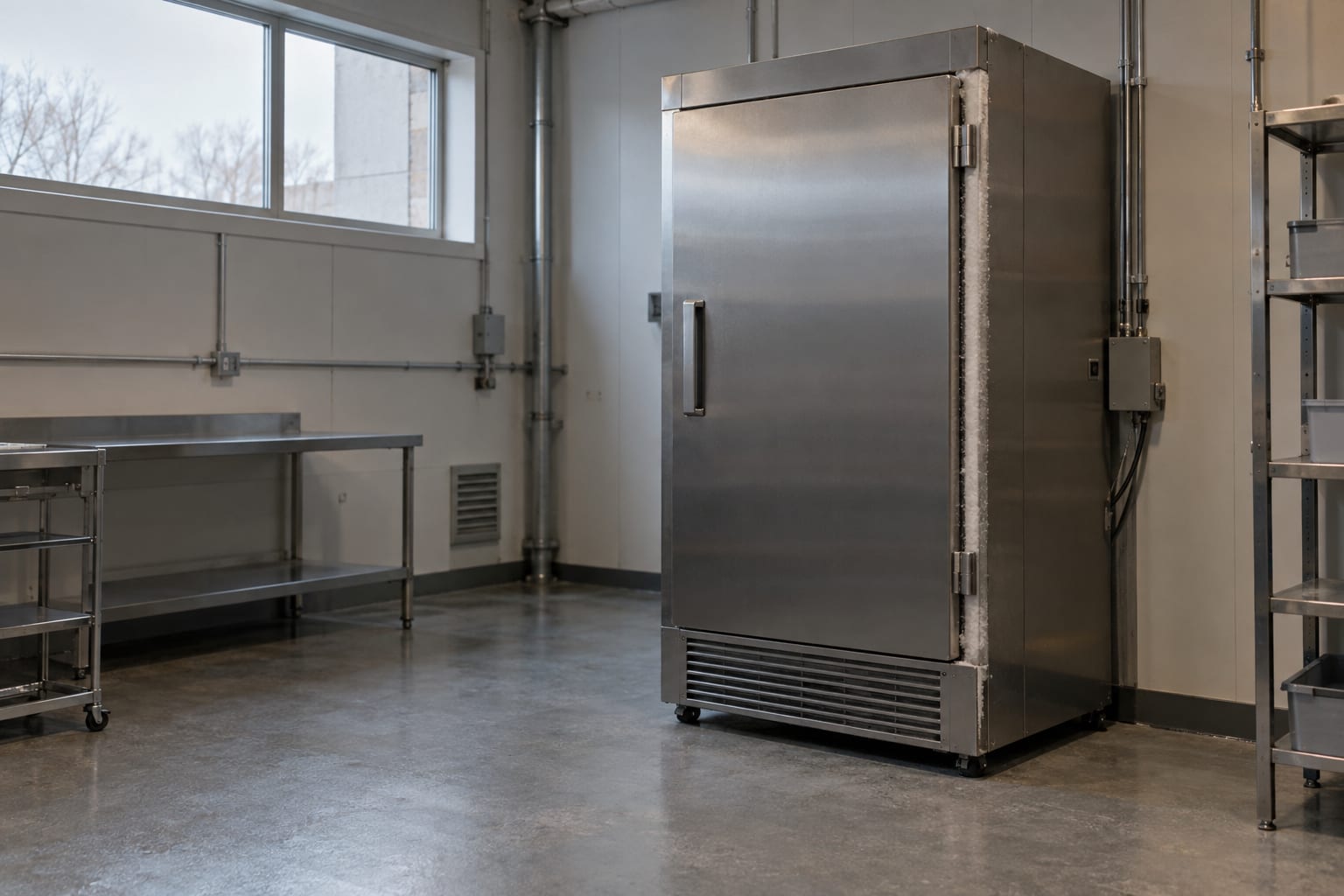
Eight participants completed the placebo-controlled cohort; extension data are expected in January 2027 while a partial FDA hold remains.
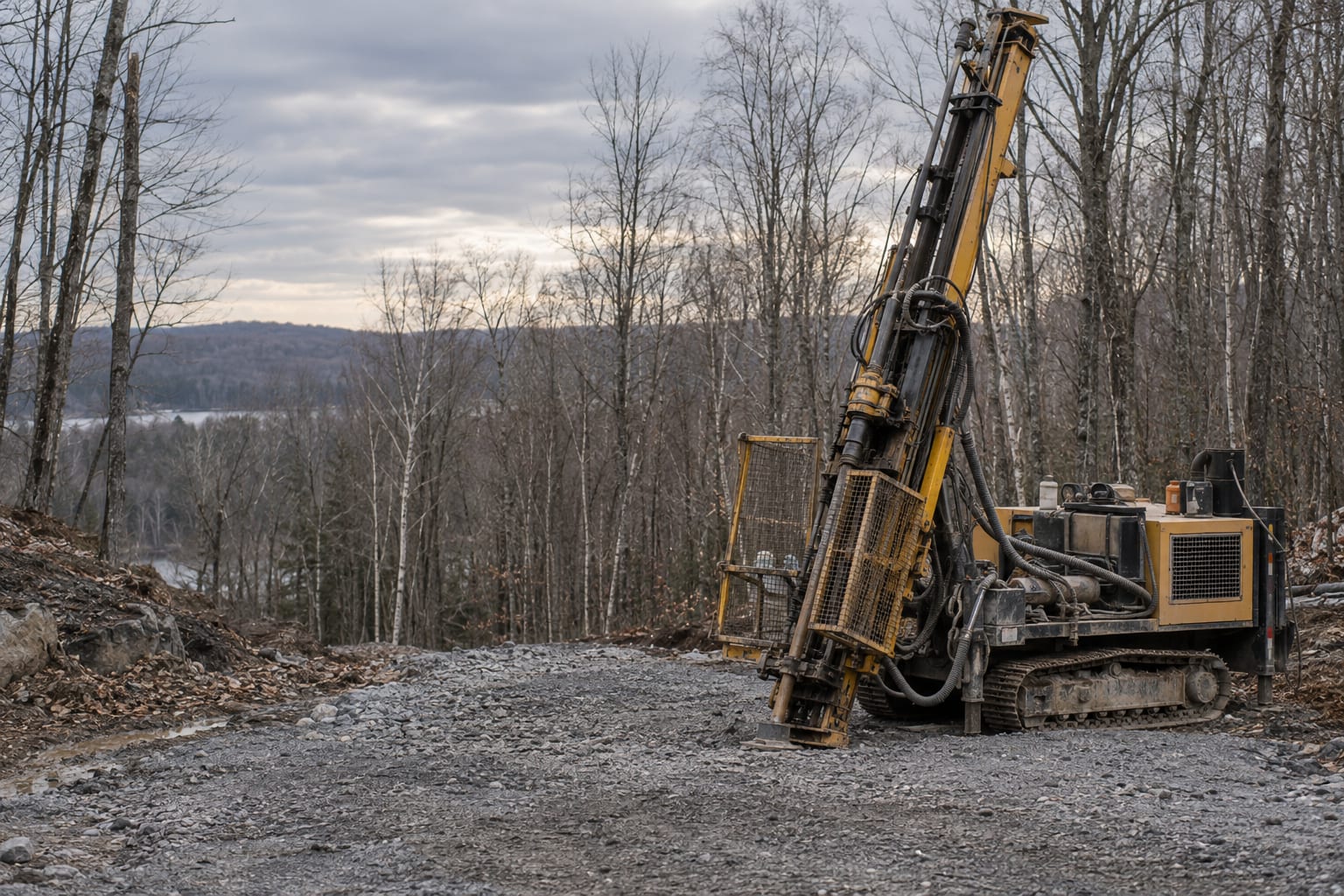
The copper-gold intercept lies about 55 metres down-dip of an earlier hole, supporting the company's eastern zone interpretation.
DISA would own about 8.88 per cent after conversion, while a separate share transfer would take IsoEnergy's holding to 22.1 per cent.
Third-quarter capital investment rose to C$1.084 billion as higher costs outweighed gains from approved rates and peak demand.
The Army-related opportunity remains subject to lease negotiations, while the reactor developer expects spending on its pilots to increase.
The board accepted its committee's recommendation on Oct. 26, citing the harvest, a stronger outlook and debt repayment.
Production is expected in 2029, subject to final government approvals, with flexibility to build hybrids, gasoline vehicles and EVs.
The sale targets a second-quarter 2027 close and supports additional debt reduction and an expanded share-repurchase plan.
The first phase is fully booked, but Telekom gives no commissioning date or contracted revenue for the added capacity.
A US$65 million investment commitment remains subject to lease progress, while another 155,040 shares have been repurchased.
The company raised US$283.8 million through common shares and spent more on preferred repurchases than on its bitcoin purchase.
Gold, silver, uranium, lithium, copper and rare earths: the producers, the developers and the projects behind them.
View all
The initial refinery is designed for up to 600 tonnes of antimony a year, while larger production scenarios require more refining equipment.
Medical and pharmaceutical developments, psychedelics, and the research and safety questions around them.
View all
The 86 per cent brain-response rate came from seven evaluable patients; lower-dose safety data are required before Phase 3.
Technology, computing, crypto and cannabis, and the listed companies moving in them.
View all
The first US$200 million draw awaits customer acceptance and other conditions, with borrowing at a minimum 8 per cent before fees.
All 53.40 bitcoin were pledged at Sept. 30, with US$5.05M of convertible debt due between January and April 2027.
Uranium, lithium, oil and gas, hydrogen and the grid: the fuels and the companies behind them.
View all
The power producer now expects adjusted earnings of US$12.50 to US$12.80 a share, lifting the midpoint by US$0.65.

BLM's completeness finding leaves pipeline baseline studies and the level of environmental review to be settled before mine-plan approval.
The nonbinding terms cover about 2 gigawatts, while the regulated capital plan requires US$3 billion in additional equity.
Licensed producers, retail, policy, and the psychedelics companies moving through the clinic.
View all
Operating cash flow reached US$9.5 million as expansion spending eased, but weaker Canadian wholesale pricing reduced cannabis profit.
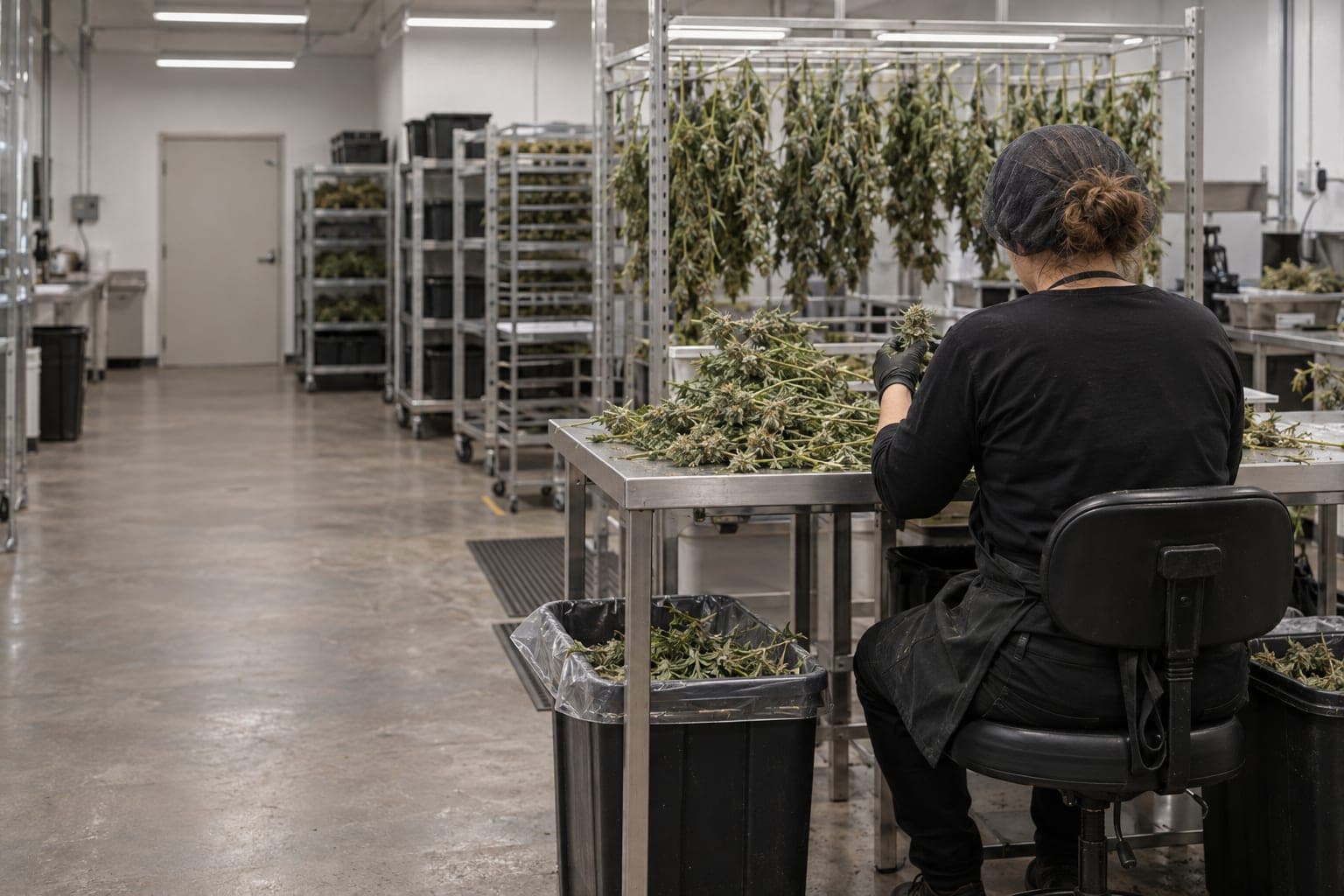
Free cash outflow narrowed to C$15.5 million as international sales grew, while charges on Canopy USA assets weighed on earnings.

Quarterly losses narrowed, but operating income fell and September-end financial statements show US$41.2 million in cash plus restricted funds.
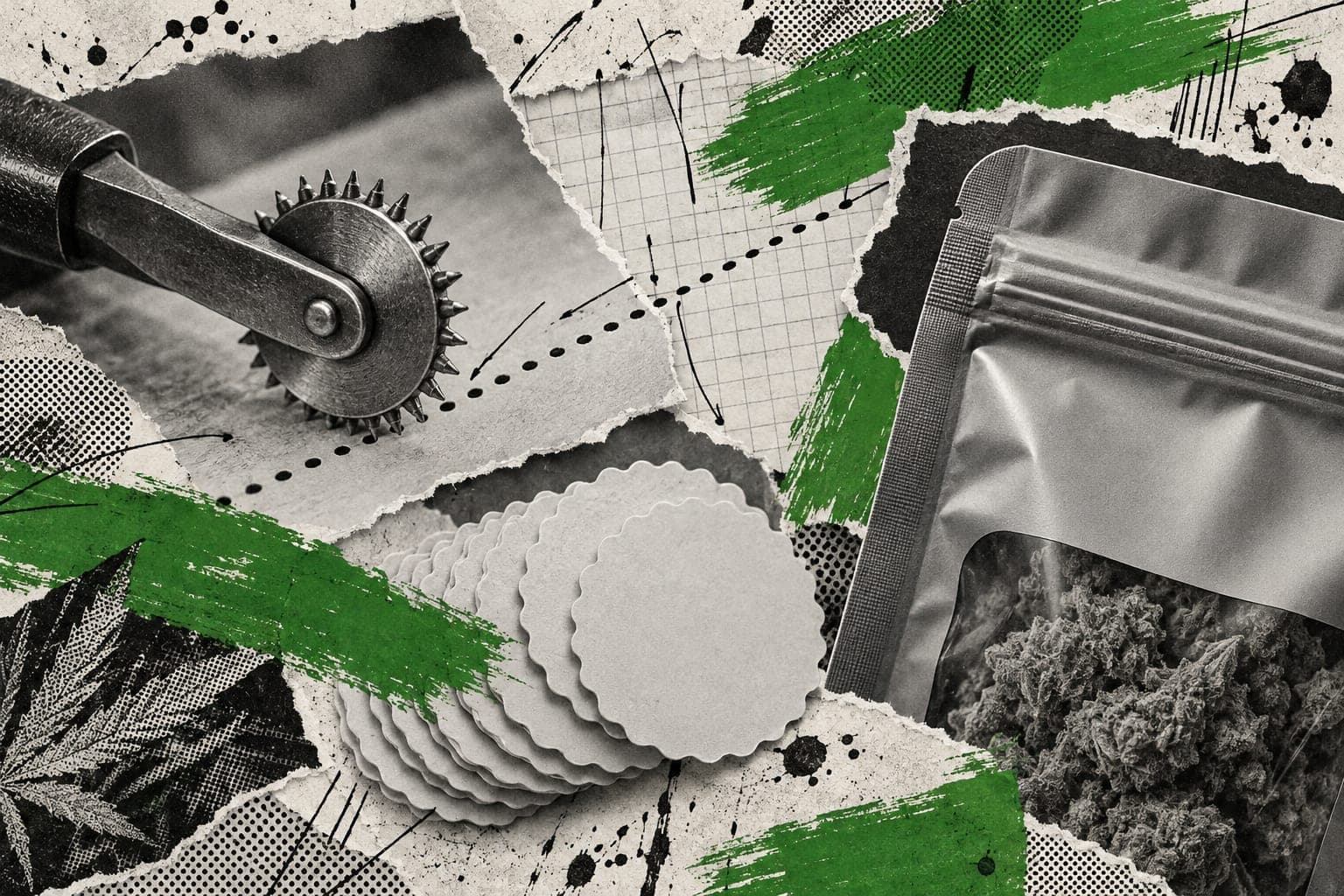
The proposed common stamp would reduce the number of stamp types from 13 to six, with a Jan. 1, 2028 start date and no company savings estimate.