BioCryst Pharmaceuticals wins FDA approval for 150 mg ORLADEYO pellets
Patients aged 12 and older gain an alternative to capsules, while the approval release gives no launch date for the new strength.
 Adrian Kessler

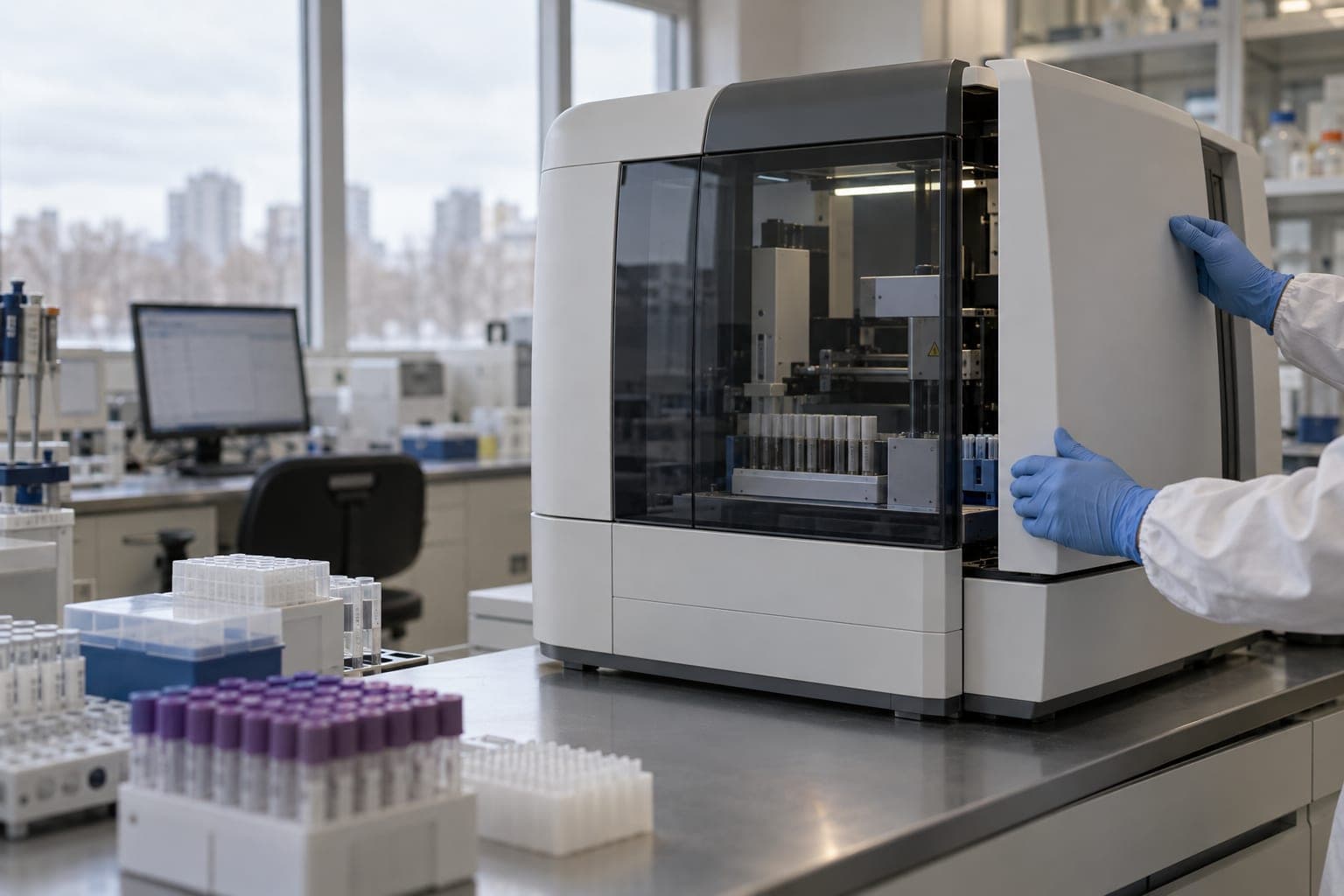
An alternative to daily capsules will broaden hereditary angioedema (HAE) prevention options as BioCryst Pharmaceuticals, Inc. NASDAQBCRX reported FDA approval on Wednesday for 150 mg ORLADEYO oral pellets. The decision covers patients aged 12 and older, including those who have difficulty swallowing capsules or prefer pellets.
The supplemental new drug application extends the formulation to adults and adolescents without adding a new age group to ORLADEYO's overall indication. Wednesday's release does not identify the supplement number or give a launch date for the 150 mg packets.
BioCryst is a commercial biotechnology company based in North Carolina whose rare-disease business is anchored by ORLADEYO.
BioCryst shares closed at US$7.94, down 1.61 per cent, on Nasdaq at 4:00 p.m. EDT on Tuesday, according to Google Finance's NASDAQBCRX quote. That close preceded Wednesday's announcement.
The pellets can be poured directly into the mouth and swallowed with water or milk, or sprinkled over soft, non-acidic food. The prescribing information revised in October calls for administration with food and warns against chewing or crushing the pellets.
Read more: UCB wins FDA approval for ZILBRYSQ autoinjector ahead of 2027 launch
The FDA approved the capsule formulation for patients aged 12 and older in December 2020, followed by pediatric pellets in December 2025. BioCryst's Aug. 5 business update said initial pediatric pellet shipments began on Aug. 3, establishing a commercial starting point separate from the new strength.
"The FDA approval was based on chemistry, manufacturing, and controls information and data demonstrating the safety and tolerability of the ORLADEYO pellet formulation compared to ORLADEYO capsules," BioCryst said in Wednesday's release.
The announcement provides no new placebo-controlled efficacy result for the adult pellets. ORLADEYO prevents attacks by reducing plasma kallikrein activity and should not be used to treat an acute attack.
Common adverse reactions include abdominal pain, vomiting, diarrhea, back pain and gastroesophageal reflux disease. The label warns that taking more than the recommended dose can prolong the QTc interval.
Read more: Alvotech wins FDA approval to more than double SIMLANDI batch output
Injectable Rivals Offer Longer Dosing Intervals
For Ionis Pharmaceuticals, Inc. NASDAQIONS, the competing product is DAWNZERA, an injectable preventive treatment approved in August 2025 for patients aged 12 and older. Its approval release describes self-administration every four or eight weeks, compared with ORLADEYO's daily oral dosing.
Takeda Pharmaceutical Company Limited TYO4502 NYSETAK described TAKHZYRO in its February 2023 approval release as an injected preventive treatment for patients aged two and older. The broader SPDR S&P Biotech ETF NYSEARCAXBI traded at US$147.69 at 12:13 p.m. EDT on Monday, according to Google Finance.
ORLADEYO Already Generates Substantial Sales
BioCryst reported ORLADEYO revenue of US$158.2 million for the second quarter of 2026, up 1 per cent from a year earlier. Excluding European revenue, sales increased 10 per cent on a comparable basis, according to its Aug. 5 results.
Cash, cash equivalents, restricted cash and investments totalled US$354 million at June 30. The company said it generated positive cash flow that quarter even excluding an upfront licensing payment. Wednesday's approval announcement did not quantify expected uptake or revenue from the new pellet strength.
Beyond the formulation expansion, BioCryst's next disclosed pivotal HAE readout is scheduled for the third quarter of 2027. Its ALPHA-ORBIT study is evaluating navenibart with injections every three or six months, providing evidence on another preventive treatment in the company's pipeline.