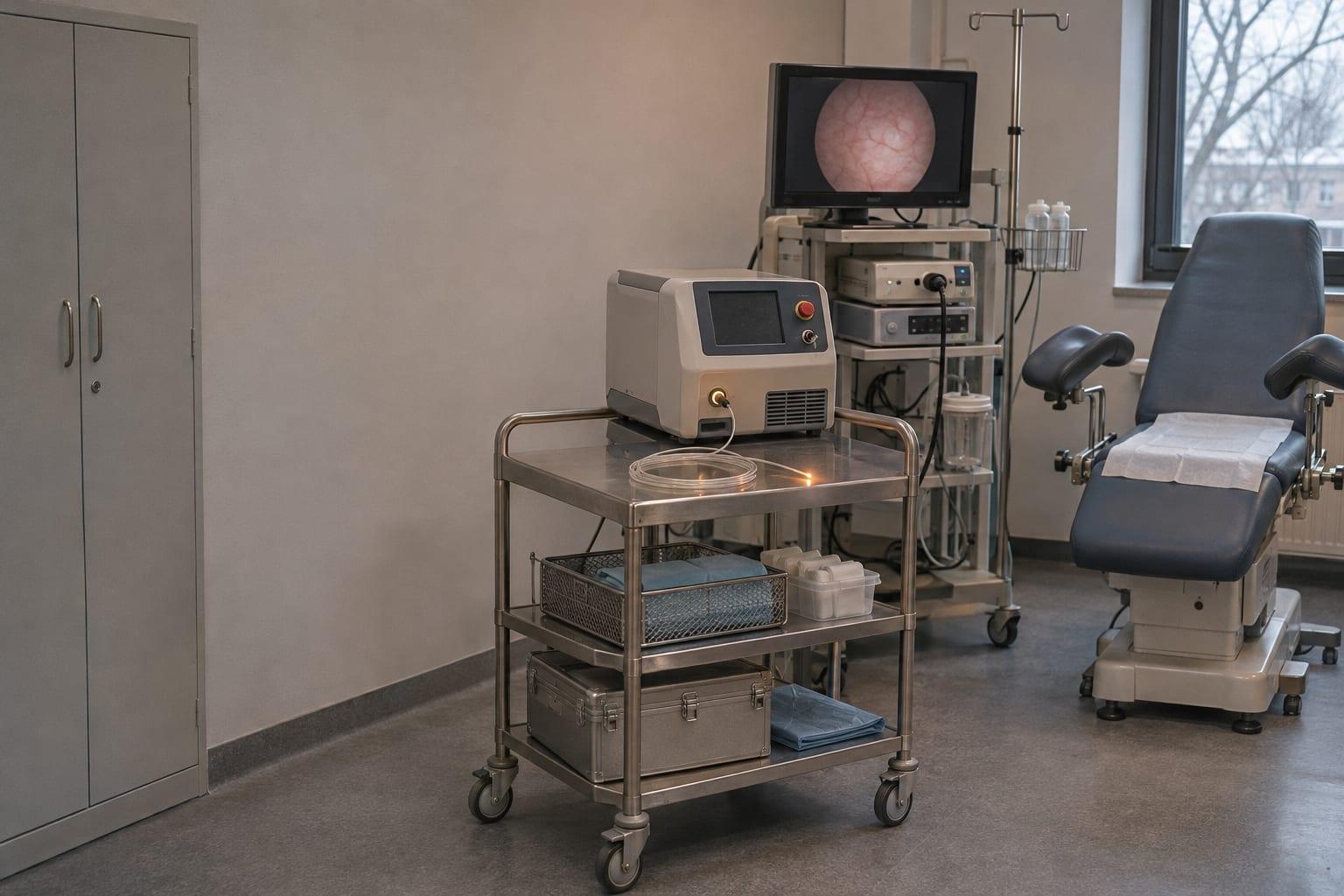
GE HealthCare's icometrix submits MS lesion and brain tumour MRI tools to FDA
The rim lesion feature uses susceptibility-weighted MRI as an optional input, and the release gives no submission date, FDA acceptance or price.
 Adrian Kessler
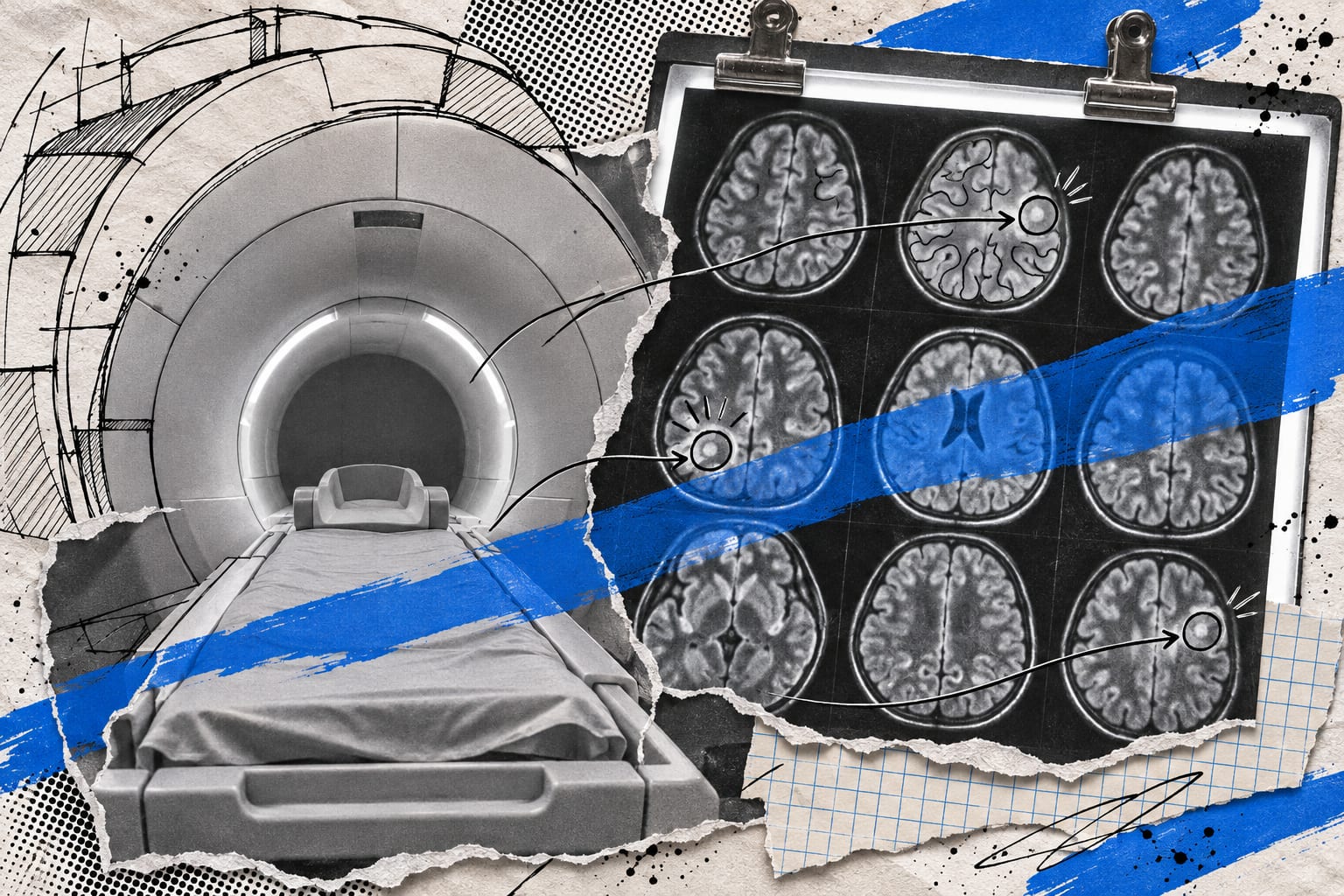
Two AI brain-MRI capabilities, one for a multiple sclerosis lesion marker and one for brain tumours, are pending at the U.S. Food and Drug Administration after GE HealthCare Technologies Inc. NASDAQGEHC said on Sunday its icometrix unit had submitted them. The submission adds to the software pipeline of a company that says the FDA has authorized 134 of its AI-enabled solutions, according to a separate release on Sunday. Neither release gives icobrain a revenue figure, a price or an FDA decision date.
The release does not say when icometrix made the submission or whether the FDA has accepted it for review. Its footnotes say the icobrain ms updates and icobrain tm are 510(k) pending at the FDA as part of icobrain mr and are not available for sale. It also announces an icometrix clinical session on the McDonald criteria update at the Radiological Society of North America (RSNA) annual meeting in Chicago at 1 p.m. CST on Monday, which is 2 p.m. EST.
GE HealthCare sells medical imaging technology, pharmaceutical diagnostics and AI, cloud and software tools, and icometrix builds icobrain, software designed to help radiologists and neurologists quantify brain structures and lesions on MRI. GE HealthCare acquired icometrix in 2025, according to the release.
The releases came out before Monday's session in New York. GE HealthCare shares rose 1.5 per cent to US$84.62 on Nov. 27, according to the Google Finance quote page for NASDAQGEHC. The page stamped that close at 1:05 p.m. EST, the end of a shortened session.
The 2024 McDonald Criteria Recognize Rim Lesions in MS
The release cites the 2024 revision of the McDonald criteria for diagnosing MS, published in The Lancet Neurology, which recognizes paramagnetic rim lesions, or PRLs, as an imaging marker relevant to the assessment of chronic active inflammation. The new icobrain ms feature is designed to assess PRLs automatically at single time points and over time.
The feature is designed to use susceptibility-weighted imaging, or SWI, as an optional input. Centres that do not use susceptibility-based imaging keep the existing icobrain ms report, while those that add SWI receive supplemental PRL information.
"The planned addition of paramagnetic rim lesion assessment to icobrain ms will give clinicians another meaningful way to quantify chronic active lesions and bring those insights into their imaging workflows," Kelly Londy, president and chief executive of MR and Women's Health at GE HealthCare, said in the release.
Read more: TG Therapeutics says FDA accepts filing for single-infusion Briumvi start
The second capability, icobrain tm, is a new report designed to segment and quantify brain tumours, evaluating enhancing and non-enhancing tissue volume as well as whole-tumour volume. Its longitudinal assessment is meant to help clinicians track tumour growth and monitor patients after treatment, the release says.
Siemens Healthineers and RadNet Hold Cleared Brain MRI Software
Siemens Healthineers AG ETRSHL received 510(k) clearance on Jan. 22 for version VA60 of AI-Rad Companion Brain MR, software that segments and quantifies brain structures and white matter hyperintensities, according to the FDA's clearance letter and summary. That summary named an icobrain version the FDA cleared in December 2019 as a reference device for the white matter feature, whose test data from 100 subjects included MS patients.
RadNet, Inc. NASDAQRDNT owns DeepHealth as a wholly owned subsidiary. DeepHealth's Neuro Solutions page describes AI detection and segmentation of white matter hyperintensities along with brain volume measurement, and cites FDA 510(k) clearance K251527. Neither that page nor the Siemens Healthineers summary mentions paramagnetic rim lesions.
Read more: RadNet cites study modeling 18.9 per cent fewer prostate biopsies with AI
GE HealthCare says it has topped the FDA's list with the most AI-enabled device authorizations of any medical device company for the fifth consecutive year. The agency's list, in the version dated Sept. 22, holds 1,614 entries, the newest with a final decision on June 29. The showcase release also lists several other GE HealthCare products as 510(k) pending, among them the Omni 128 cm total-body PET/CT system and the StarGuide GX SPECT/CT system.
The icometrix session at RSNA on Monday is the next dated event, and the FDA's 510(k) decision, which neither release dates, decides whether the two capabilities can be sold in the U.S.