RadNet cites study modeling 18.9% fewer prostate biopsies with AI
A European Radiology paper tested DeepHealth's MRI risk score on 787 men; simulated biopsy savings have yet to be shown in practice.
 Adrian Kessler
Nearly one in five prostate biopsies could have been avoided in a retrospective simulation, as RadNet, Inc. NASDAQRDNT highlighted evidence on Thursday after its shares closed at US$68.61 on Nasdaq at 4 p.m. EDT on Oct. 7. The model would have avoided 149 biopsies among 787 men while retaining 98.4 per cent sensitivity for clinically significant cancer.
DeepHealth's Oct. 8 release drew on a study published in European Radiology on Sept. 26. Researchers examined MRI scans made between 2014 and 2025 in Germany, the Netherlands and the United States, then compared AI risk classifications with radiologists' PI-RADS readings against tissue results.
RadNet operates a large network of outpatient imaging centres in the United States and markets radiology software through its wholly owned DeepHealth unit.
DeepHealth issued the release at 6 a.m. EDT on Oct. 8, before regular Nasdaq trading. RadNet's Oct. 7 close therefore predates the study announcement; the quoted price cannot show a market response to it.
The Biopsy Reduction Was Modeled
The Sept. 26 paper included 380 men with clinically significant disease, defined as grade group 2 or higher. Every man had histopathologic verification; the authors then modeled whether adding the AI score to radiologists' assessments of equivocal PI-RADS 3 scans could spare some biopsies.
In that targeted strategy, the modeled biopsy reduction was 18.9 per cent, with sensitivity of 98.4 per cent for significant cancer. Those figures describe the combined decision rule, not an AI-only result or an observed reduction in procedures.
The AI risk classification's patient level sensitivity was 97.6 per cent against 92.6 per cent for PI-RADS, meeting the paper's noninferiority test (p value below 0.001). At the lesion level, its sensitivity was 78.8 per cent against 88.8 per cent, and the corresponding noninferiority test failed (p=0.98).
The high proportion of confirmed significant cancer in this biopsied cohort limits how directly the modeled savings apply to broader screening populations. Scans also came from equipment made by five manufacturers, a useful check of how the algorithm works across MRI systems. No biopsies were actually withheld in the study, so it cannot establish the safety of deferring a procedure in routine care.
"Our findings suggest that AI could provide another piece of evidence to help clinicians make that decision. The opportunity is to use DeepHealth’s Prostate MR Solution to better identify which men may benefit from a biopsy, with the final medical decision remaining with the clinical team," study senior author Francesco Giganti, a University College London professor of radiology, said in the DeepHealth release.
Clearance Predated Publication
DeepHealth said on May 19 that its Prostate AI component had received FDA 510(k) clearance and CE marking and was commercially available. The company's Oct. 8 release says its Prostate MR Solution combines lesion detection, gland segmentation and structured reporting, and integrates with more than 11 fusion biopsy systems. Its Oct. 8 announcement reported no new regulatory decision, orders or sales figure for the prostate tool.
RadNet's Aug. 9 filing put Digital Health revenue at US$32.4 million in the second quarter of 2026, including revenue between its own segments. Digital Health annual recurring revenue reached US$105.5 million at June 30, nearly twice its year-earlier level. RadNet held US$726.3 million in cash at June 30, but the filing did not break out Prostate AI revenue.
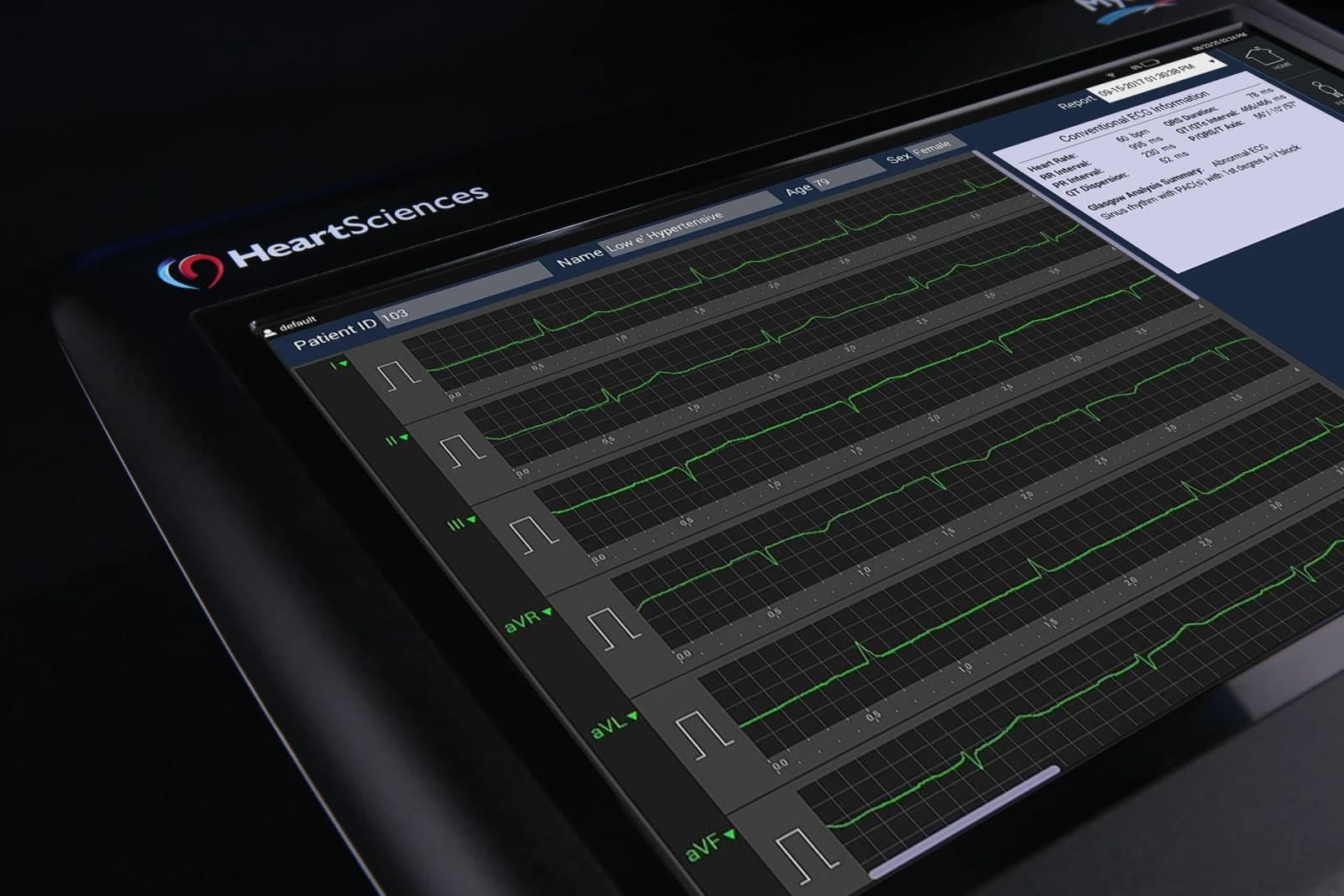
Read more: HeartSciences receives FDA clearance for MyoVista wavECG without AI
GE HealthCare Technologies Inc. NASDAQGEHC is another listed imaging company working on prostate MRI: its own explainer describes research into AI detection of prostate lesions. The Oct. 8 DeepHealth study adds a measured biopsy triage result to that imaging sector discussion, but its simulated outcome still needs a prospective test.
Read more: Telix Pharmaceuticals Limited reports first US Pixclara doses for glioma imaging
RadNet's 2026 Digital Health guidance runs through Dec. 31. Its subsequent results will show whether broader software revenue kept growing after the June quarter, while a prospective study would have to establish whether this biopsy triage strategy works in routine care.