Telix Pharmaceuticals Limited reports first US Pixclara doses for glioma imaging
PharmaLogic supplied doses to hospitals in Indiana and Ohio; Telix's Oct. 6 launch release gave no Pixclara sales target.
 Adrian Kessler
Commercial Pixclara dosing reached its first U.S. patients as Telix Pharmaceuticals Limited ASXTLX NASDAQTLX announced on Oct. 6 that hospitals in Cleveland and Indianapolis had administered the glioma imaging drug. Its Sydney listing ASXTLX traded higher at A$16.00 as of 11:32:07 a.m. AEDT Wednesday.
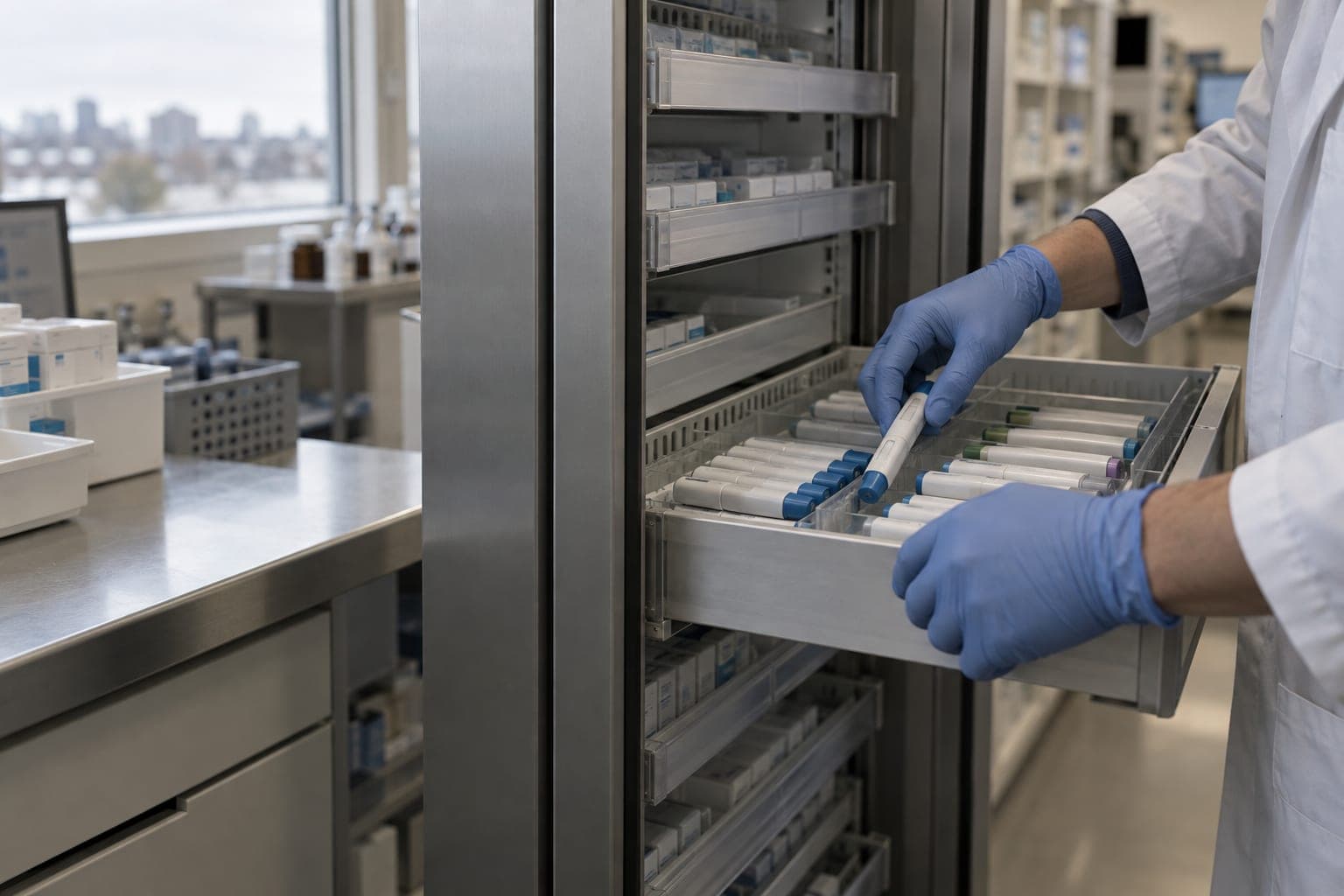
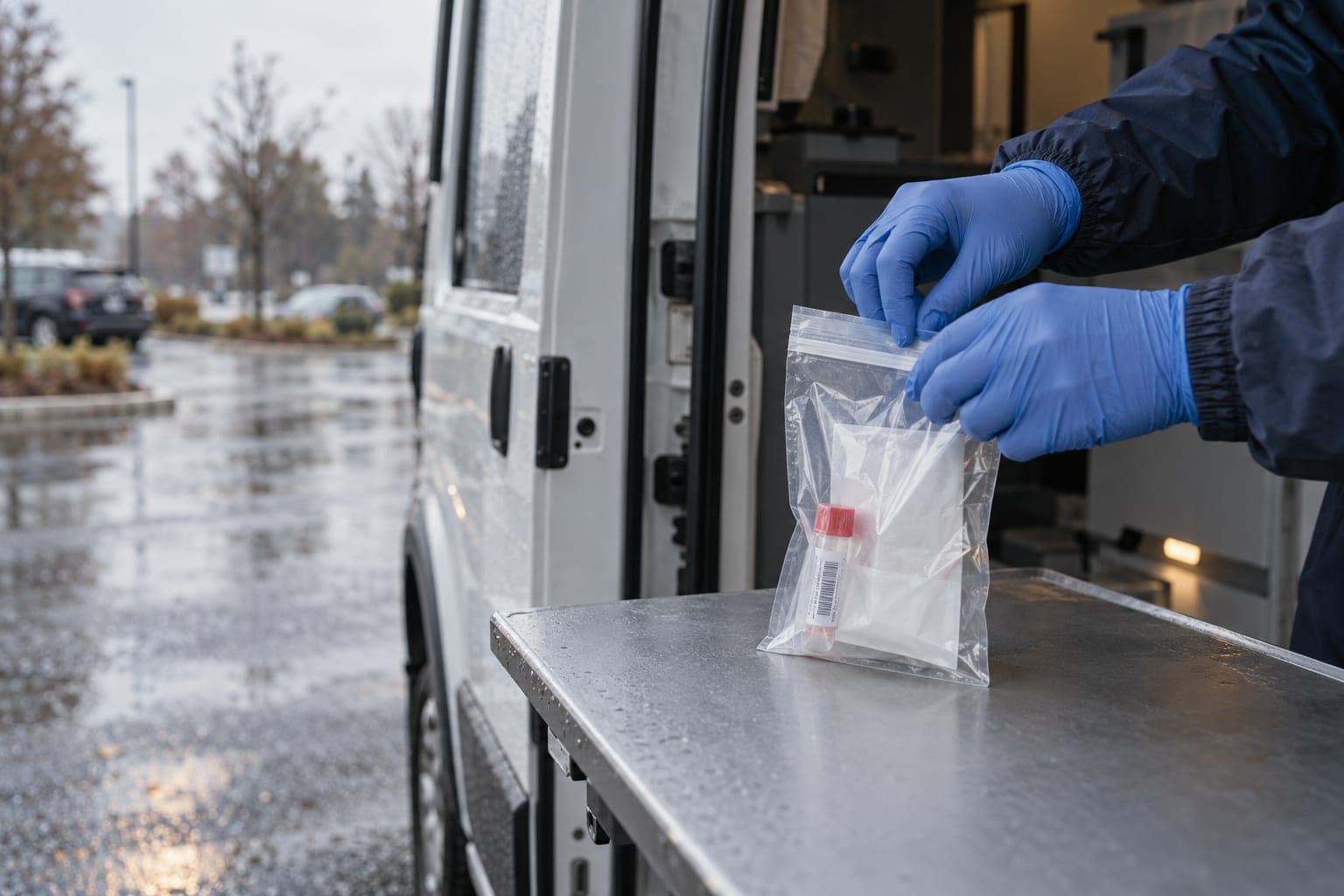
Telix had already forecast US$950 million to US$970 million of revenue for 2026, but its Oct. 6 launch release gave no Pixclara sales target. PharmaLogic Holdings Corp., Telix's U.S. manufacturing and pharmacy distribution partner, supplied finished doses to Indiana University Health and University Hospitals in Cleveland. The launch release did not state how many patients were dosed or give the agent's price.
Telix is a Melbourne-based radiopharmaceutical company that sells cancer imaging agents and develops targeted cancer treatments.
The FDA approved Pixclara on Sept. 11 for use with positron emission tomography, or PET, to distinguish recurrent or progressive glioma from treatment-related change alongside other diagnostic evaluations. Telix says it is the only FDA-approved radiopharmaceutical imaging drug for glioma. The authorized use covers adults and children at least one month old, rather than every patient newly diagnosed with a brain tumour.
Read more: Eli Lilly and Company wins first-line Jaypirca approval for CLL/SLL
Pixclara Scans Require Other Clinical Findings
Pixclara uses fluorine-18, a radioactive isotope, attached to a compound taken up through amino acid transport proteins. A PET scanner detects the resulting signal; clinicians must interpret the image with other findings, including a patient's clinical history or tissue examination. The drug's label warns that a negative scan does not rule out recurrence and a positive scan does not confirm it.
Telix's Oct. 6 release estimates roughly 24,000 new glioma cases each year in the United States. That count is broader than the approved use, which addresses uncertainty about recurrence or progression after treatment. The same release says headache occurred in 0.5 per cent of the 382 patients with glioma in Pixclara's safety evaluation, while nausea, fatigue and injection-site reactions each occurred in fewer than 0.5 per cent.
"Distinguishing recurrent or progressive gliomas from treatment-related change is one of the most difficult and consequential challenges in brain cancer," Na Tosha N. Gatson, director of Indiana University Health's Center for Neuro-Oncology, said in Telix's Oct. 6 release.
Telix was already selling the prostate imaging agents Illuccix and Gozellix before Pixclara's first doses were announced. Its Aug. 20 half-year results reported US$477 million in group revenue for the six months ended June 30, with those agents driving growth in the precision medicine segment. The Oct. 6 statement does not specify Pixclara reimbursement terms, unit pricing or how many radiopharmacies will supply it.
Lantheus Reports US$240.4 Million in PYLARIFY Sales
Shares of Lantheus Holdings, Inc. NASDAQLNTH closed at US$99.95 on Nasdaq at 4 p.m. EDT on Oct. 6. The listed radiopharmaceutical company's Aug. 6 earnings release reported US$240.4 million in PYLARIFY sales for the quarter ended June 30, down 4.1 per cent from a year earlier. Telix's Oct. 6 launch statement and Aug. 20 results gave no Pixclara revenue target for comparison.
Telix's launch adds a brain cancer indication to its marketed imaging portfolio while its BiPASS program seeks an earlier diagnostic use for its prostate imaging agents. FDA Fast Track status for that separate program is a development designation, whereas Pixclara can now be sold for its approved glioma use.
Read more: Telix Pharmaceuticals Limited gains FDA Fast Track for BiPASS imaging
The Dec. 31, 2026, year-end will close the period covered by Telix's US$950 million to US$970 million revenue forecast. Its Oct. 6 launch statement gave no date for the full-year results or indication whether Pixclara sales would be reported separately.