Biodesix adds lung imaging test to pipeline with 2028 launch target
The Vanderbilt development partnership will pair CT imaging with blood biomarkers, with initial performance data due Dec. 3.
 Adrian Kessler
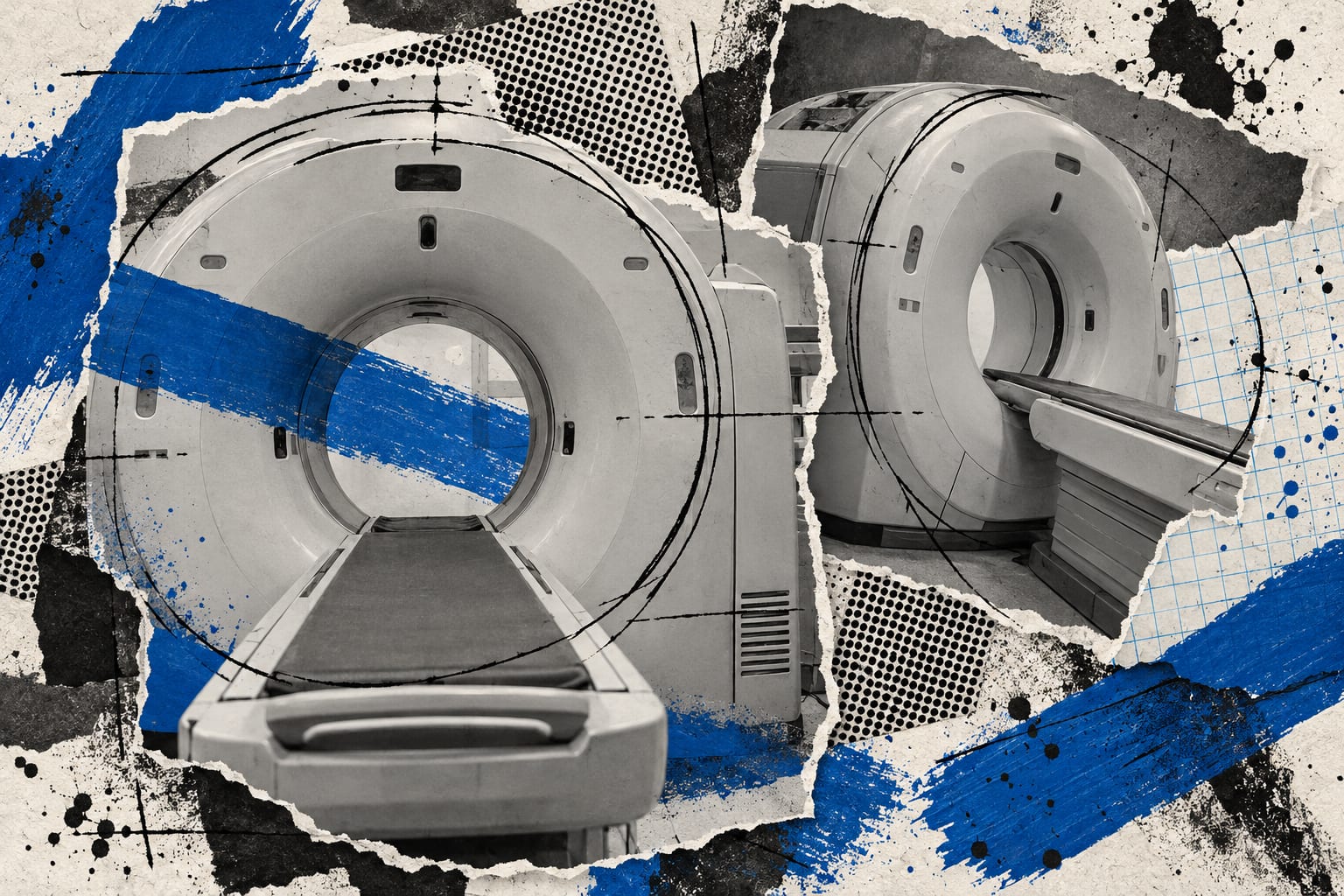
A lung-nodule imaging test is headed for a Dec. 3 data presentation after Biodesix, Inc. NASDAQBDSX added digital diagnostics to its blood-testing pipeline on Monday. The company targets commercial availability in 2028.
The Oct. 19 announcement describes a development partnership with Vanderbilt University and Vanderbilt Health. It does not disclose intellectual property ownership, exclusivity, licensing payments or royalties, leaving the partnership's financial terms unquantified.
Biodesix is a Colorado-based specialty diagnostics company serving physicians nationally with lung-disease tests and providing development services to drugmakers and research organizations.
Shares closed at US$23.66 on Nasdaq at 4 p.m. EDT on Oct. 16, according to Google Finance's NASDAQBDSX quote. That session preceded Monday's announcement, which sets Dec. 3 as the first scheduled presentation of performance data.
Blood Testing Provides The Commercial Base
The proposed test applies artificial intelligence to extract quantitative features from medical images, including computed tomography scans. Biodesix says those imaging biomarkers would complement its Nodify Lung blood tests in assessing whether a lung nodule is cancerous.
The company intends to sell the integrated portfolio through its existing commercial channels. Vanderbilt contributes imaging-science and artificial-intelligence expertise, while Biodesix brings product development, commercialization and reimbursement capabilities, according to the release.
"Digital Diagnostics represents a significant expansion of our strategy, bringing blood-based biomarkers, imaging biomarkers, and artificial intelligence (AI) together on one platform," Biodesix chief executive Scott Hutton said in the release.
The existing business supplies the financial baseline. In its Aug. 5 results, Biodesix reported second-quarter revenue of US$26.9 million, up 34 per cent from a year earlier.
Diagnostic Testing revenue reached US$25.4 million in the quarter ended June 30. Testing volume rose 38 per cent to 20,900, with expanded payer coverage helping increase average revenue per test.
Read more: bioAffinity Technologies reports more than 1,620 CyPath Lung tests
Cash and cash equivalents stood at US$30 million on June 30, while the second-quarter net loss was US$7.3 million. The Oct. 19 announcement gives no digital-diagnostics development budget, test price or product-level revenue forecast.
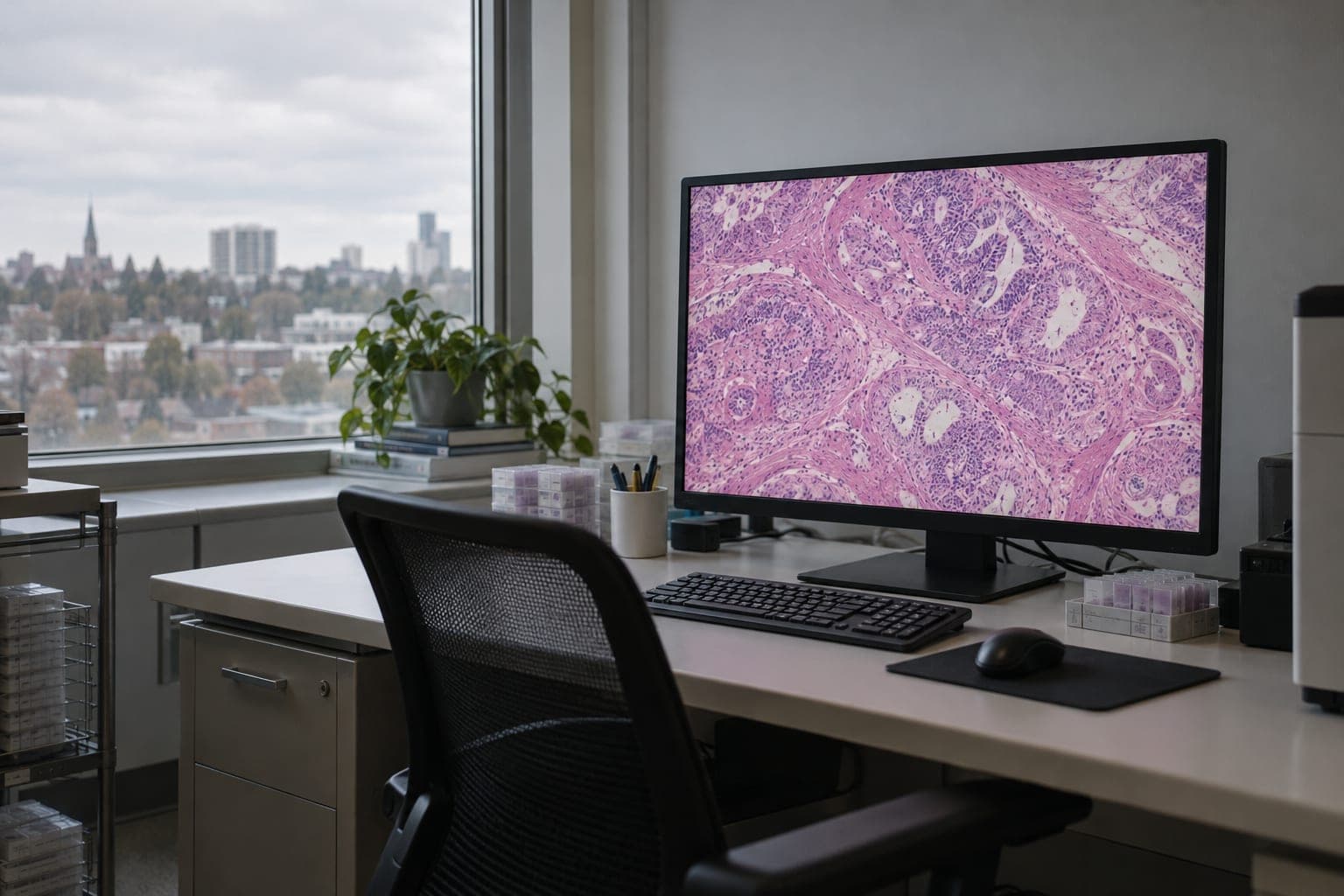
A separate investment in diagnostic imaging comes from NeoGenomics, Inc. NASDAQNEO, which announced an expanded Indica Labs partnership on Oct. 15. That programme uses cloud-based HALO AP infrastructure for digital pathology, rather than the CT-based lung-nodule assessment Biodesix is developing.
NeoGenomics' release identifies HALO AP as research use only in the United States and says it is not FDA cleared for clinical diagnostic use. The two announcements therefore describe different technologies and development plans, without supplying comparable clinical-performance results.
Read more: NeoGenomics expands Indica Labs partnership for digital pathology
Prospective Study Is Planned For This Quarter
Biodesix says STRATIFY, identified as NCT07858552, has institutional review board approval and is expected to begin in the fourth quarter of 2026. The prospective study is intended to match blood biomarkers, imaging biomarkers and clinical outcomes to support validation, reimbursement evidence and future products.
The announcement supplies no enrolment target, accuracy figures or comparison against existing assessment methods. Its description of a high-specificity test is a design objective ahead of the initial performance presentation.
Biodesix reports engagement with the FDA and Medicare, but the release identifies no regulatory decision or coverage determination. It also says an Independent Diagnostic Testing Facility has been established to support clinical testing and future scale.
The next dated milestone is Dec. 3 at the Radiological Society of North America meeting, when Biodesix plans to present initial performance data. Those results will provide the first announced quantitative test of the imaging approach behind its 2028 commercial target.