Weight gain between ages 17 and 60 linked to higher cancer risk in major study
Researchers compared people in the top 20 per cent of weight gain against those in the bottom 20 per cent
 Joseph Morton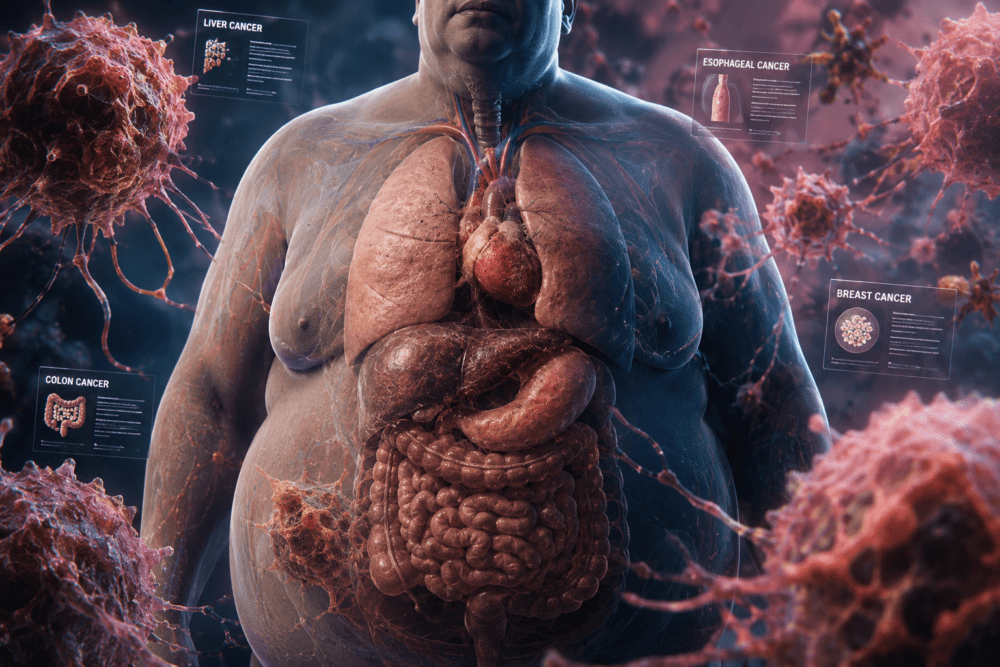
New research presented at the European Congress on Obesity in Istanbul found that adults who gained the most weight between ages 17 and 60 faced sharply higher risks for several cancers linked to obesity.
Released on Wednesday, the Swedish study tracked more than 630,000 people across decades and found especially strong associations with liver, oesophageal and endometrial cancers.
Researchers from Lund University analysed weight records from a nationwide Swedish cohort spanning more than a century. Additionally, the team followed cancer diagnoses through 2023 to examine how long-term weight gain patterns affected cancer risk later in life.
The study included data from 251,041 men and 378,981 women. Furthermore, each participant had an average of four weight measurements recorded between ages 17 and 60.
Researchers compared people in the top 20 per cent of weight gain against those in the bottom 20 per cent. They found that men with the steepest weight increases faced a 46 per cent higher risk of obesity-related cancers. Meanwhile, women in the same category faced a 43 per cent higher risk.
The researchers also identified increased risks for overall cancer incidence. Men with the highest weight gain had a seven per cent higher overall cancer risk. Additionally, women in that category had a 17 per cent greater overall risk.
Some cancers showed far stronger associations with weight gain than others. Men with the largest increases in body weight had a 2.67-times greater risk of liver cancer and a 2.25-times greater risk of oesophageal cancer. Meanwhile, women in the highest weight-gain category faced a 3.78-times greater risk of endometrial cancer.
Read more: Breath Diagnostics pioneers novel lung cancer breath test
Read more: Breath Diagnostics takes aim at lung cancer with One Breath
Timing of weight gain also matters
Researchers also linked long-term weight gain to colon cancer, kidney cancer and postmenopausal breast cancer. In addition, women with significant weight increases faced a 32 per cent higher risk of meningioma, a tumour affecting tissues around the brain.
The study examined cancers not officially classified as obesity-related as well. Men in the highest weight-gain category faced a 48 per cent higher risk of diffuse large B-cell lymphoma. Furthermore, both men and women showed sharply elevated risks for pituitary tumours.
Researchers found that the timing of weight gain also mattered. Weight increases during early adulthood appeared more strongly connected to certain cancers in men, particularly liver and oesophageal cancers. However, women showed stronger associations during middle and later adulthood for cancers linked to hormones.
The team observed particularly strong associations between later-life weight gain and endometrial cancer among women. Additionally, researchers linked postmenopausal breast cancer and meningioma to weight increases after age 30.
Among men, weight gain before age 45 carried stronger links to liver and oesophageal cancers. Researchers suggested inflammation, insulin resistance and acid reflux disease may contribute to those risks.
The study also examined obesity onset age. People who developed obesity earlier in life often faced greater cancer risks later on. Furthermore, the associations appeared strongest for liver, pancreatic and kidney cancers.
Men who developed obesity before age 30 faced a five-times greater risk of liver cancer compared with men who never developed obesity. Additionally, those men faced doubled risks for pancreatic and kidney cancers.
Read more: Prestigious medtech intelligence firm recognizes Breath Diagnostics for innovation
Read more: Breath Diagnostics gives the public the chance to join the fight against cancer
Earlier research focused on body weight
Women who developed obesity before age 30 showed a 4.5-times higher risk of endometrial cancer. Meanwhile, they also faced a doubled risk of kidney cancer and a 67 per cent greater risk of pancreatic cancer.
The findings arrive as obesity rates continue rising globally. The World Health Organization estimates that one in eight people worldwide currently live with obesity. Additionally, obesity already ranks among the leading preventable causes of cancer.
The International Agency for Research on Cancer has previously linked excess body weight to cancers affecting the oesophagus, liver, pancreas and colon. Researchers have also connected obesity to cancers involving the breast, kidneys, ovaries and thyroid gland.
Most earlier research focused on body weight at one point in time. However, the Swedish study examined weight changes across decades instead of relying on a single measurement. Researchers said that broader life-course approach offered a clearer picture of cancer risk development.
Associate Professor Anton Nilsson and Associate Professor Tanja Stocks led the research through Lund University’s Department of Translational Medicine in Malmö. Additionally, the researchers used data from the nationwide ODDS cohort study covering weight records from 1911 through 2020.
The authors said steeper weight gain trajectories consistently corresponded with higher cancer incidence. They also noted especially strong associations involving liver cancer, oesophageal adenocarcinoma and endometrial cancer.
Researchers pointed to several possible biological mechanisms linking obesity and cancer. Excess body fat can alter hormone activity, insulin signalling and inflammation levels throughout the body. Furthermore, obesity may affect immune responses and other cellular processes tied to tumour growth.
Read more: Breath Diagnostics leaders promote their mission at Miami investment conference
Read more: Breath Diagnostics completes install of advanced mass spectrometry system
Researchers observed varying patterns across cancer types
In women, the researchers said hormone-related cancers showed particularly strong connections to adult weight gain. Endometrial cancer, postmenopausal breast cancer and meningioma all demonstrated stronger associations after age 30. Meanwhile, colon cancer also showed strong links to female weight increases during those years.
Among men, the strongest relationships involved cancers associated with chronic inflammation and metabolic dysfunction. Researchers specifically pointed to liver cancer and oesophageal cancer as key examples. Additionally, gastroesophageal reflux disease may help explain some of the elevated oesophageal cancer risk.
The study also found that body weight at age 17 carried long-term implications. Participants in the highest 20 per cent for body weight at that age often faced cancer risks comparable to people who later experienced major weight gain.
Researchers observed varying patterns across cancer types. Kidney cancer among men appeared more strongly associated with early-adulthood weight gain. Conversely, colon cancer among both sexes showed stronger links to weight increases during middle adulthood.
The researchers cautioned that some of those timing-related patterns did not achieve statistical significance. However, they said the broader trends still suggested that both when and how much weight people gain can influence cancer development later in life.
The findings may strengthen calls for earlier weight management interventions. Researchers said maintaining healthier body weight throughout adulthood could reduce risks for multiple cancers, particularly as obesity prevalence continues increasing across Western countries and other regions.
.
joseph@mugglehead.com