Global Innovative Platforms makes progress with heartworm breath test for dogs
It works by detecting volatile organic compound associated with the potentially fatal disease
 Rowan Dunne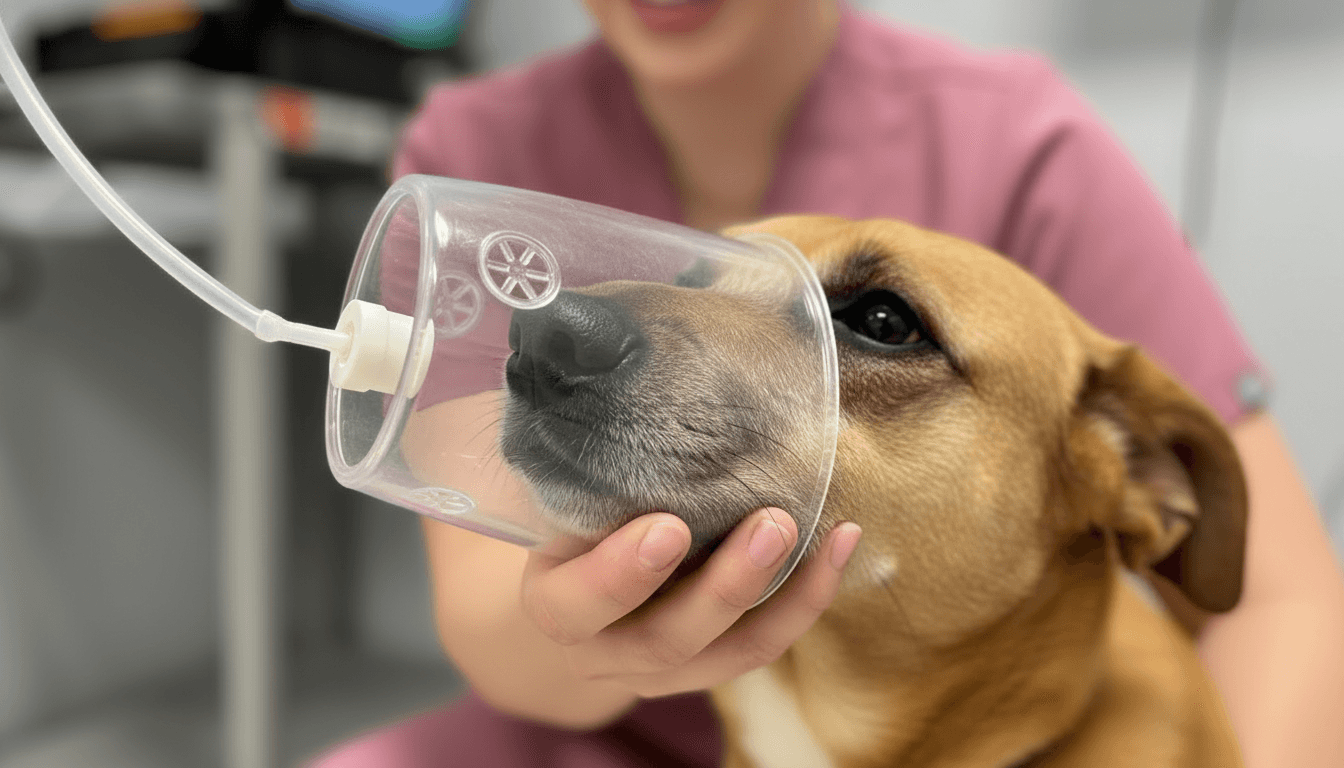
Excitement is currently building around a new breath test used to detect heartworm disease in dogs. Researchers at Global Innovative Platforms Inc (OTCMKTS: GIPL) have been developing the tool with the aim of detecting infections earlier than current blood tests allow.
This week, the American Animal Hospital Association published a blog post that highlights the promising non-invasive technology. Only about 15 per cent of veterinary hospitals in North America are AAHA-accredited, making its endorsement notable. It is widely viewed as the gold standard of care.
“Any time you can do something that is non-invasive, there’s benefits and convenience,” said American Heartworm Society board member, Andy Moorhead, in the prominent organization’s posting.
“The beauty is you’ve also eliminated an occupational health hazard to the veterinary staff when needles aren’t involved,” he added.
Global Innovative Platforms designs non-invasive diagnostic tools that detect volatile organic compounds through advanced gas chromatography combined with artificial intelligence. Its most significant focus is the American canine heartworm testing market, but the company is also pursuing diagnostics for intestinal parasites and tick-borne diseases.
Heartworm disease spreads through mosquito bites from the parasite Dirofilaria immitis. It causes serious lung disease, heart failure and organ damage if veterinarians do not treat it. Infections continue to rise across the United States with more than 1.2 million dogs affected each year.
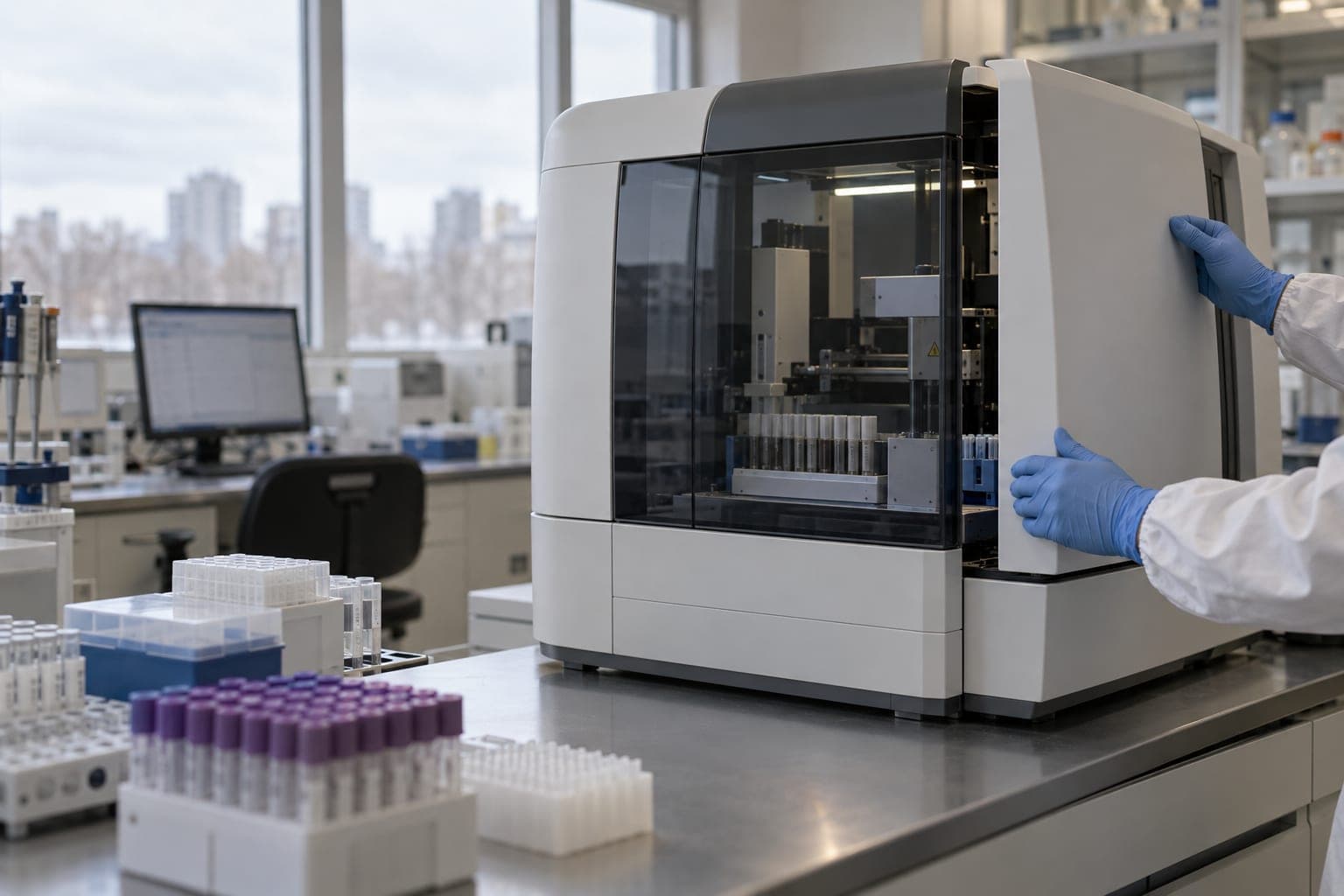
This new test builds on a 12-month study that Global Innovative Platforms finished last fall. During the assessment, researchers collected and analysed more than 100 breath samples from dogs. Infected hounds release specific volatile compounds that the system identifies with gas chromatography in under two minutes.
Early findings have shown strong potential for spotting infections during the microfilariae (early) stage and before worms fully mature. The method eliminates the need for blood draws, reduces stress for dogs and lowers the chance of false negatives from low worm counts or male-only infections.
Traditional blood tests search for antigens or microfilariae. However, they frequently miss early infections because they need mature adult female worms, a process that takes at least six months.
Veterinarians and pet owners are enthusiastic about the heartworm breath test’s development because it could increase annual testing compliance and speed up treatment.
Read more: Breath Diagnostics advances pre-op pneumonia screening with FDA breakthrough designation
Breath testing gains traction in human medicine
Certain companies now use similar techniques that analyse volatile organic compounds in exhaled breath to detect diseases.
Kentucky-headquartered Breath Diagnostics has been making steady progress with its OneBreath system for lung cancer screening. The dog heartworm test shares clear similarities with OneBreath because both capture a single breath sample, process VOCs through advanced technology and deliver fast non-invasive results.
Global Innovative has noted that the addressable market for breath-based diagnostics in companion animals and livestock is worth an estimated US$4.8 billion. Meanwhile, the addressable market for lung cancer screening is projected to be valued at a staggering US$63 billion or more. These figures provide incentive for companies like these that are propelling innovative breath tests for potentially fatal diseases in animals and humans.
Other organizations are also driving important advances in the breath analysis field, particularly in the U.S.
Minnesota-based Vocxi Health has partnered with Forj Medical to miniaturize its MyBreathPrint device into a handheld tool that uses nanosensors and AI to detect VOCs linked to lung cancer in an exhale.
Additionally, researchers from the University of Texas at Dallas recently developed an electrochemical biosensor that identifies eight specific volatile compounds associated with lung cancer. The school’s test achieved 90 per cent accuracy in early testing.
These efforts show how breath patterns open the door to early and painless detection across species and conditions.
Read more: Prestigious medtech intelligence firm recognizes Breath Diagnostics for innovation
Follow Rowan Dunne on LinkedIn
rowan@mugglehead.com