Robotic bronchoscope program reaches 100 procedures at Australian hospital
The robotic system targets nodules in the outer areas of the lung, where traditional procedures can struggle to reach
 Joseph Morton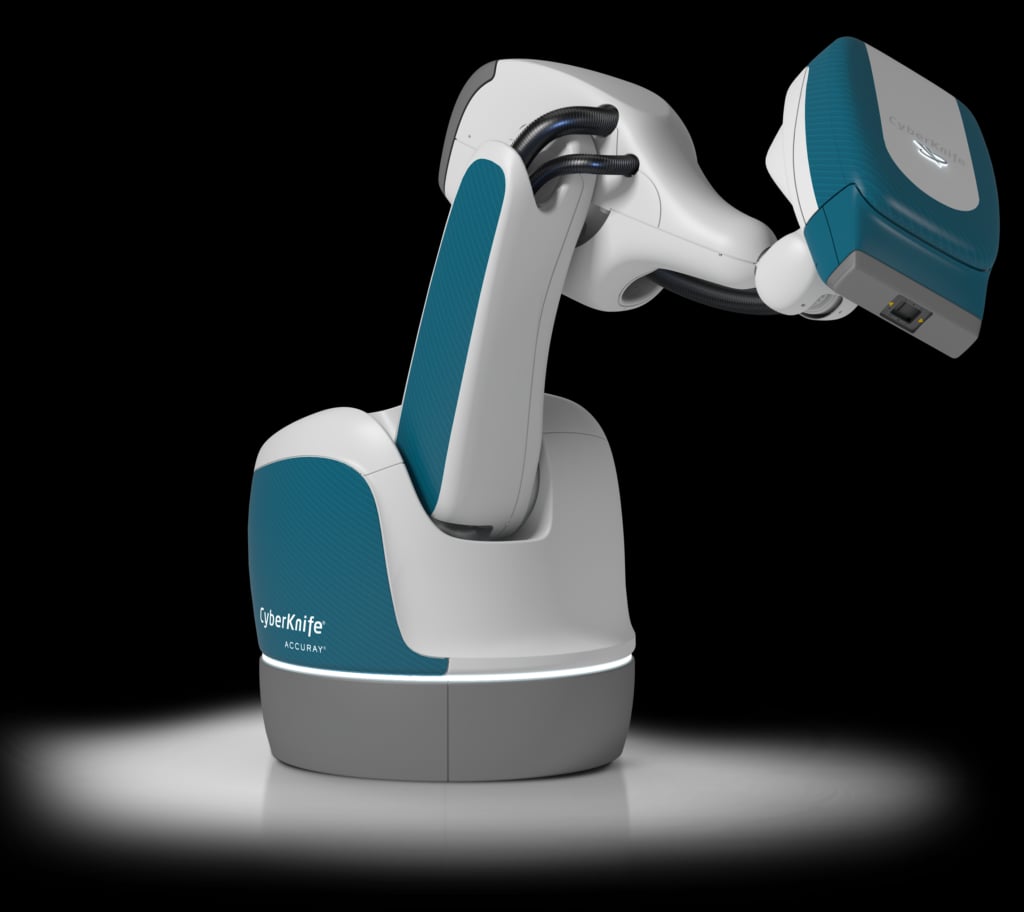
Sir Charles Gairdner Hospital has reached a major milestone with its robotic bronchoscope program after completing its 100th patient procedure.
The technology helps doctors diagnose small lung cancer nodules earlier and more accurately while reducing the need for repeat operations.
The robotic system targets nodules in the outer areas of the lung, where traditional procedures can struggle to reach. Additionally, clinicians can now diagnose and treat some patients during the same hospital visit under a single anaesthesia event.
Doctors previously relied on multiple procedures to confirm suspicious nodules. However, the robotic bronchoscope improves navigation through the lungs and increases diagnostic precision. The technology also allows clinicians to place glowing dye markers near tumours before surgery. Surgeons at Sir Charles Gairdner Hospital then use those markers to locate and remove cancerous nodules more efficiently.
Meanwhile, radiation specialists can use the system to place fiducial markers that guide the CyberKnife radiotherapy platform. The device delivers concentrated radiation doses while limiting damage to surrounding healthy tissue.
The hospital has also opened access to an international clinical trial using the robotic system. Furthermore, researchers are evaluating a new tumour tracer injected directly into lung cancers to improve treatment outcomes. Lung cancer remains Australia’s deadliest cancer and accounts for nearly one in five cancer deaths nationally. Many patients receive diagnoses only after symptoms appear during advanced stages of the disease.
Western Australia’s Future Health Research and Innovation Fund helped finance the robotic bronchoscope program. Consequently, state officials say the technology reflects the government’s broader push to expand medical research capabilities across the region.
Read more: Prestigious medtech intelligence firm recognizes Breath Diagnostics for innovation
Read more: Breath Diagnostics completes install of advanced mass spectrometry system
Multiple companies are offering out of the box thinking
Medical Research Minister Stephen Dawson said the program has already improved care for 100 Western Australians. He also praised hospital staff for delivering advanced treatment options and helping position Western Australia as a leader in medical innovation.
However, robotic bronchoscopy represents only one approach in the broader effort to improve lung cancer detection. Doctors still rely on several established diagnostic methods, including low dose CT, PET scans and conventional bronchoscopy procedures, depending on a tumour’s size and location.
However, researchers and biotechnology firms are also exploring less invasive ways to detect lung cancer before tumours become advanced. Companies such as Breath Diagnostics and Owlstone Medical are developing breath-analysis technologies designed to identify cancer-linked chemical markers using exhaled air rather than imaging scans or surgical biopsies.
Breath Diagnostics has focused on its OneBreath technology platform, which aims to detect volatile organic compounds associated with lung cancer and other diseases. Additionally, the company believes breath-based screening could eventually provide a faster and more accessible option for high-risk patients, particularly smokers and former smokers requiring regular monitoring.
Meanwhile, Owlstone Medical has advanced its Breath Biopsy platform, which analyzes biomarkers found in a patient’s breath sample. The company has partnered with major healthcare organizations and pharmaceutical groups to study whether breath testing can support earlier cancer detection while reducing the need for invasive diagnostic procedures.
Traditional tools such as low-dose CT scans and PET imaging remain the clinical standard for lung cancer screening and diagnosis. However, newer breath-analysis technologies could eventually complement those systems by helping doctors identify at-risk patients earlier or determine which patients require further imaging and tissue testing.
.
joseph@mugglehead.com