Hyundai moves to full ownership of Boston Dynamics in USD$325M deal
The move reflects growing confidence in humanoid robotics across the manufacturing sector
 Joseph Morton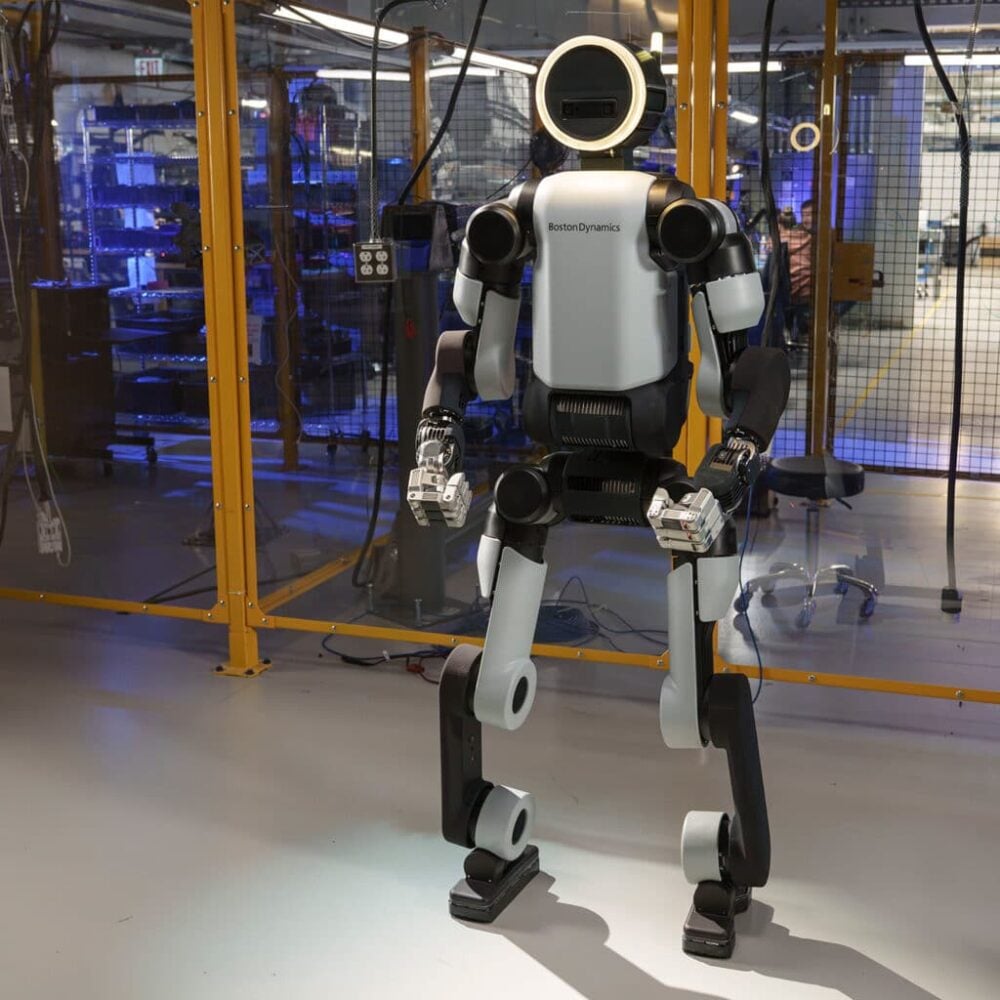
Hyundai Motor Group KRX005380 is moving to take full control of Boston Dynamics through a USD$325 million deal for SoftBank’s remaining stake, positioning the robotics company as a core part of its future manufacturing strategy as humanoid robots move closer to large-scale commercial deployment.
The transaction will increase Hyundai’s ownership of Boston Dynamics to 100 per cent. Consequently, the South Korean automaker will gain complete control over the company behind the Atlas humanoid robot and several other advanced robotic systems.
The board is expected to approve the acquisition on June 22. Hyundai already holds a controlling 80 per cent stake that it acquired in 2021 through a deal that valued Boston Dynamics at roughly USD$1.1 billion.
The move reflects growing confidence in humanoid robotics across the manufacturing sector. Companies increasingly view the technology as a potential solution for labour shortages, workplace safety concerns and repetitive industrial tasks.
Boston Dynamics built its reputation through viral videos showing robots performing backflips, parkour routines and other athletic feats. However, the company’s focus has shifted toward practical industrial applications.
Its flagship Atlas robot entered a new era in 2024. Boston Dynamics retired the original hydraulic version in April and introduced a fully electric successor designed for commercial work environments.
Atlas stands approximately 6.2 feet tall and weighs about 198 pounds. Additionally, the robot features tactile fingers that allow it to handle small components and delicate objects.
The machine can lift up to 110 pounds and reach approximately 7.5 feet with its arms fully extended. Those specifications place it within the range of many industrial tasks currently performed by human workers.
Read more: Kepler Robotics unveils heavy-duty quadruped to haul big loads over rough terrain
Read more: Mondo Robotics creates durable acrobat robot for filming skateboarding
Deployment more than a pilot project
Hyundai plans to deploy Atlas at its Metaplant facility near Savannah, Georgia, by 2028. Initially, the robot will focus on parts sequencing and logistics work within the assembly process.
Parts sequencing involves organizing and delivering components in the correct order for production. Consequently, Atlas could function as a mobile warehouse worker that moves efficiently through factory environments.
The deployment represents more than a limited pilot project. Reports indicate Hyundai ultimately aims to place more than 25,000 Atlas robots across manufacturing facilities worldwide.
Additionally, the company reportedly plans to establish a dedicated humanoid robot production operation capable of producing between 10,000 and 30,000 units annually around 2030.
Boston Dynamics Chief Executive Officer Robert Playter has established demanding performance targets before Atlas receives widespread deployment. He said the robot must learn new factory jobs within days rather than weeks.
Playter also wants Atlas to achieve 99.9 per cent reliability before it secures a permanent place on production lines. That benchmark reflects the realities of modern manufacturing, where downtime can quickly become expensive.
According to Playter, robots should handle repetitive, hazardous and physically demanding work. Meanwhile, people will continue managing higher-value responsibilities that require judgment, creativity and problem-solving skills.
Full ownership provides Hyundai with strategic advantages beyond operational control. The acquisition also strengthens the company’s efforts to vertically integrate humanoid robot development.
Hyundai Mobis already manufactures actuators used in Atlas. These components function as robotic joints and determine much of a machine’s strength, speed and durability. By controlling those systems internally, Hyundai can oversee more of the robot’s development process.
Read more: Japan Airlines employs humanoid robots for baggage handling in Tokyo pilot
Read more: Designer brand Caviar transforms Unitree’s G1 robot into world’s 1st luxury humanoid
Manufacturers across the world racing to establish early lead
Furthermore, the approach mirrors how automakers often manage key vehicle technologies such as engines, batteries and powertrains.
Industry observers increasingly view vertical integration as a competitive advantage in advanced robotics. Companies that control critical hardware and software systems may develop products more quickly and manage costs more effectively.
The transaction also arrives during intensifying competition in the humanoid robotics market.
Tesla Inc. NASDAQTSLA continues developing its Optimus robot and has already begun using the platform within company operations. Meanwhile, Figure AI has expanded testing programs with automotive manufacturer BMW.
Chinese robotics company Unitree has also attracted attention through lower-cost humanoid designs. Consequently, manufacturers around the world are racing to establish an early lead in a potentially transformative industry.
The acquisition marks another chapter in Boston Dynamics’ long corporate history.
The company began as a research organization supported by the U.S. Defense Advanced Research Projects Agency, commonly known as DARPA. Google acquired Boston Dynamics in 2013 before SoftBank purchased the company in 2017.
Hyundai entered the picture in 2021 when it acquired its controlling stake. Subsequently, the automaker began exploring how advanced robotics could support its manufacturing operations and long-term growth plans.
SoftBank’s exit does not signal a retreat from robotics or artificial intelligence. Instead, founder Masayoshi Son appears focused on a different opportunity within the sector.
Read more: Coowa, a cleaning robotics firm worth US$3B, prepares for Hong Kong IPO
Read more: Hyundai bets on humanoid robots as Atlas heads to American factories
Hyundai wants robots working in factories
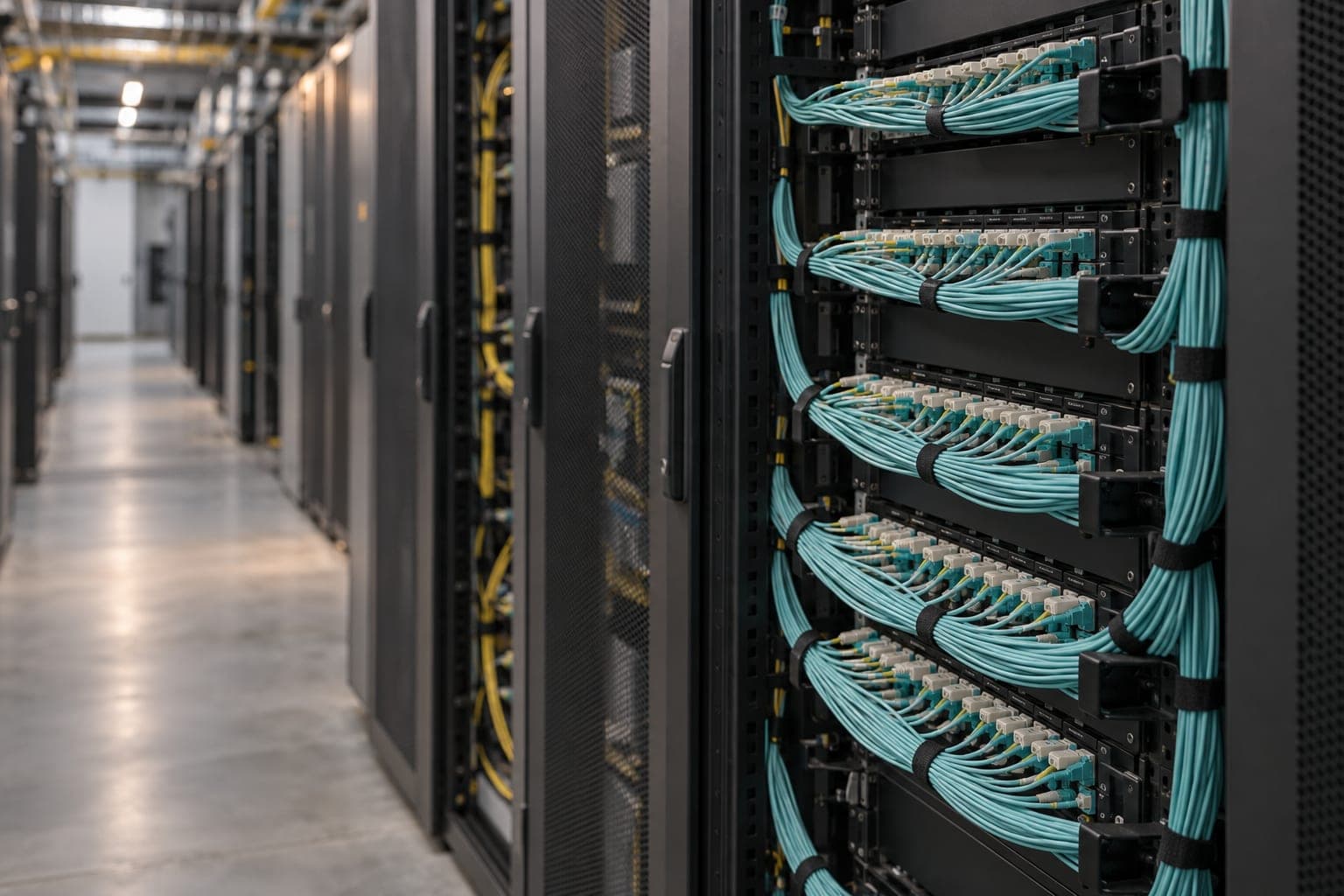
Reports suggest Son is backing Roze AI, an infrastructure venture reportedly targeting a valuation of approximately USD$100 billion. The project aims to combine robotics and artificial intelligence to help construct large-scale data centres.
That strategy differs sharply from Hyundai’s vision. Hyundai wants robots working directly inside factories, while Son appears focused on using robotic systems to build infrastructure that supports artificial intelligence growth.
The differing approaches reflect the expanding range of commercial opportunities emerging across robotics markets. However, Hyundai’s strategy depends heavily on proving Atlas can perform real industrial work at scale.
If the robot achieves the reliability targets established by management, Atlas could become one of the first humanoid platforms to secure a substantial role in modern manufacturing operations.
.