Five technologies moving from science fiction to reality: A Mugglehead roundup
The goal is to solve longstanding problems that have resisted traditional approaches
 Joseph Morton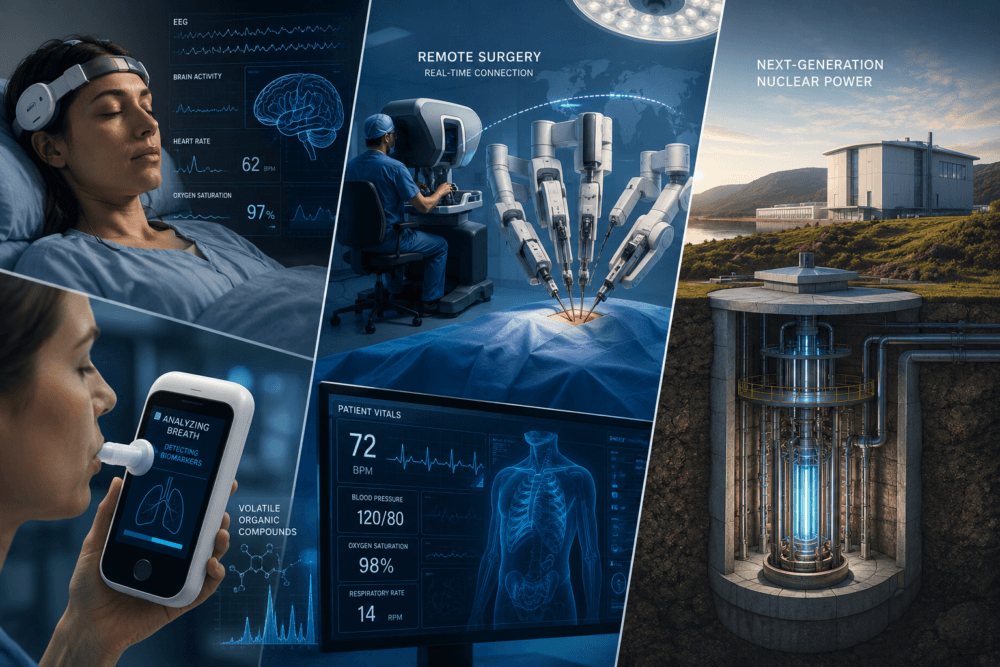
Many of the technologies that once belonged in science fiction are rapidly becoming reality.
Advances in computing, diagnostics, robotics and energy are reshaping healthcare, electricity generation and daily life.
Many of these innovations aim to solve problems that have resisted traditional approaches. Researchers are finding ways to detect diseases earlier and more accurately. Engineers are developing new methods of delivering specialized medical care to underserved communities. Energy companies are rethinking how nuclear power can be deployed in a world increasingly hungry for electricity.
While some of these innovations remain in the early stages of commercialization, others are already being deployed in hospitals, clinics and industrial settings. Together, they offer a glimpse into how emerging technologies could transform everyday life over the coming decade.
Here are five technologies that are quietly changing the world.
Beacon Biosignals and CleveMed bring sleep diagnostics home
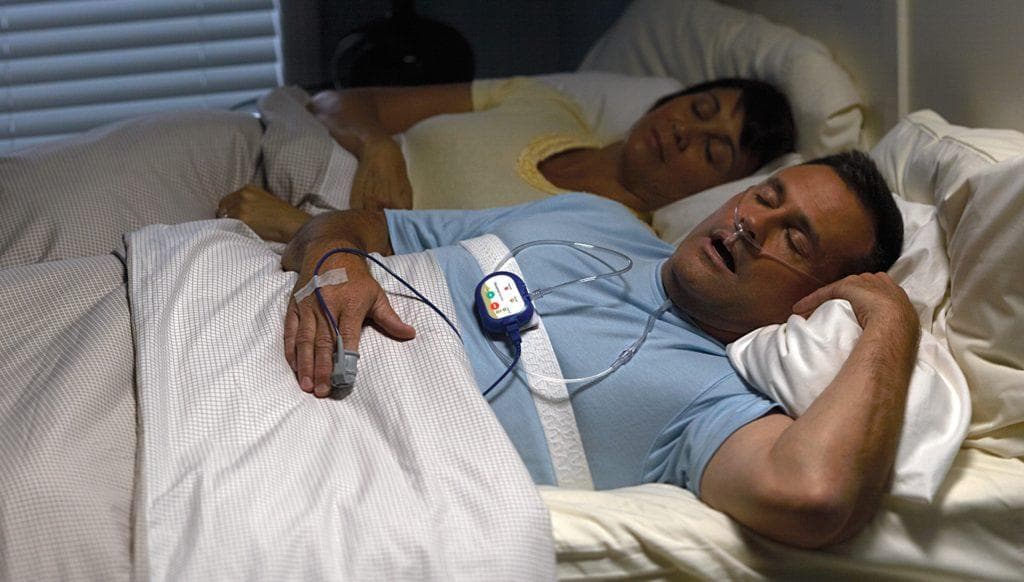
Millions of people suffer from sleep and neurological disorders that can require overnight lab studies or extensive testing to diagnose. Beacon Biosignals believes many of those assessments can be moved into the home.
The company recently completed the integration of CleveMed and its SleepView testing platform. This combined large-scale home sleep diagnostics with Beacon’s artificial intelligence-powered brain monitoring technology. The goal is to create a more comprehensive picture of how the brain and body function during sleep.
Beacon’s Waveband device sits at the centre of the platform. The FDA-cleared EEG headband records brain activity over multiple nights. Artificial intelligence models analyze the data. Beacon trained the models on hundreds of thousands of hours of sleep recordings. These systems identify patterns linked to sleep disorders and other neurological conditions.
The integration adds SleepView, which measures respiratory activity, blood oxygen levels, heart rate and other signals used to diagnose sleep apnea. CleveMed also brings a nationwide logistics and support network that manages device delivery, patient support and test administration.
Beacon combines EEG-based brain monitoring with traditional sleep diagnostics. The company aims to give clinicians a clearer picture of what happens during sleep. Instead of simply identifying breathing interruptions, the system can also examine how those events affect brain activity and sleep quality.
Supporters believe the technology could help expand access to advanced sleep testing while generating new insights into neurological and psychiatric conditions.
Read more: Prestigious medtech intelligence firm recognizes Breath Diagnostics for innovation
Read more: Breath Diagnostics completes install of advanced mass spectrometry system
Heart disease diagnosis just got a lot easier
For decades, doctors have told patients with chest pain and other heart disease symptoms that their their coronary arteries appear normal. In many cases, physicians now believe the problem lies not in the heart’s major arteries, but in its vast network of tiny blood vessels. The challenge has been finding a reliable way to diagnose those conditions.
CoroFlow solves that problem. The technology helps cardiologists identify microvascular coronary artery disease, a condition affecting the small blood vessels of the heart that often goes undetected through conventional testing.
Traditional heart catheterization primarily examines the heart’s largest arteries. While these vessels are responsible for many forms of coronary artery disease, they represent only a small portion of the heart’s overall circulatory system. Patients can continue experiencing serious symptoms even when major arteries appear clear because dysfunction may exist deeper within the microvascular network.
CoroFlow measures blood flow through these smaller vessels using a specialized pressure and temperature-sensitive guidewire. During the procedure, physicians inject cold saline through a catheter and monitor how quickly it moves through the coronary circulation. Doctors then perform a supervised stress test. This helps them evaluate how effectively blood reaches the heart muscle.
The procedure typically takes about 30 minutes and is performed under moderate conscious sedation. Unlike conventional angiography, which focuses on visible blockages in major arteries, CoroFlow provides insight into the thousands of smaller vessels that supply oxygen-rich blood throughout the heart.
Cancer diagnosis found in one breath
Breath-based lung cancer diagnosis is emerging as one of the most promising new approaches in medical screening. Instead of relying solely on imaging scans, researchers are developing technologies that analyze a patient’s exhaled breath for chemical signatures associated with cancer. The goal is to create a fast, non-invasive test that could identify disease earlier and improve access to screening.
One of the leading companies in the field is Owlstone Medical. The UK-based firm has developed its Breath Biopsy platform, which analyzes volatile organic compounds (VOCs) found in exhaled breath. These compounds are produced naturally by the body, and some patterns may indicate lung cancer. Owlstone is advancing multiple studies aimed at identifying biomarkers linked to early-stage tumours.
The company is also developing its EVOC technology, which uses inhaled probe compounds to amplify disease-related biological signals in breath samples. Researchers believe the approach could improve the sensitivity of breath-based cancer screening by making cancer-related biomarkers easier to detect.
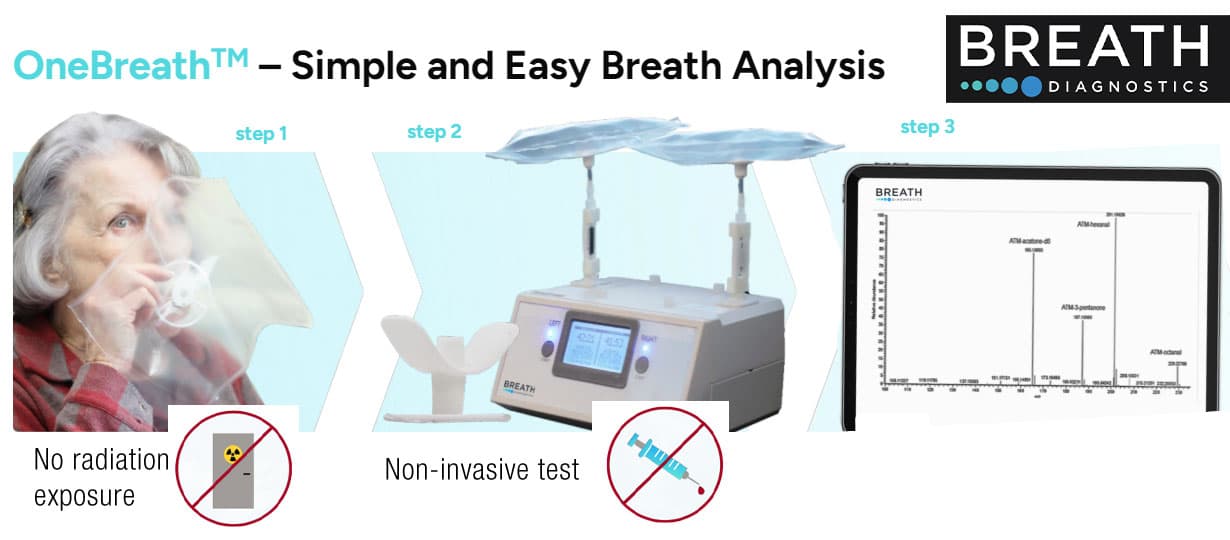
Meanwhile, Breath Diagnostics is pursuing a similar vision through its OneBreath platform. The technology is designed to analyze exhaled breath for biomarkers associated with lung cancer and other respiratory diseases. The company aims to provide a rapid screening tool that avoids invasive procedures and repeated imaging.
Supporters of breath diagnostics believe the technology could eventually complement existing screening methods such as low-dose CT scans. By making testing simpler, faster and more accessible, breath-based diagnostics may help identify more lung cancer cases at earlier stages when treatment is most effective.
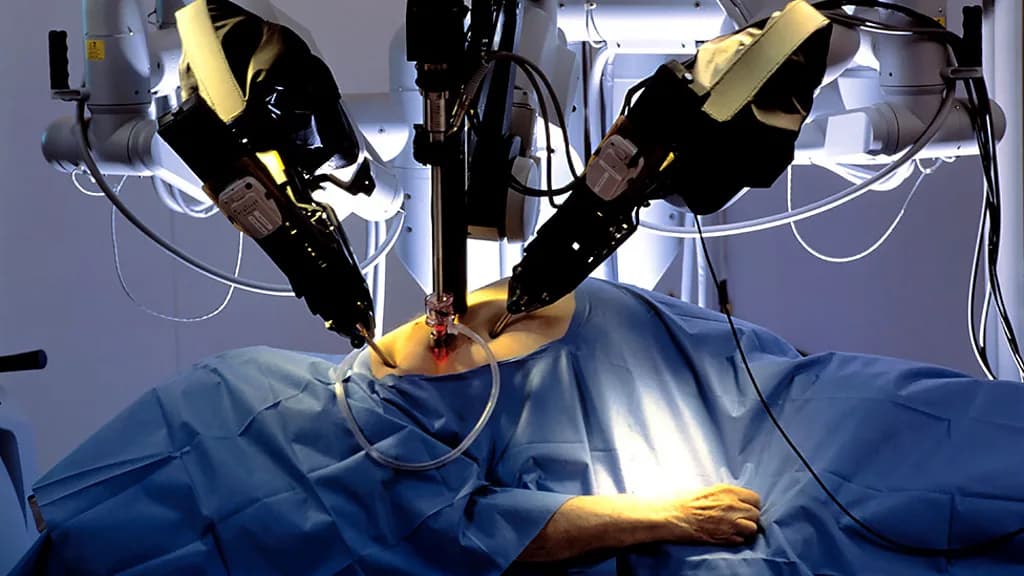
Robots that perform surgery from a mile away
Remote robotic surgery is moving from experimental demonstrations toward real-world clinical use. This could potentially allow surgeons to operate on patients thousands of kilometres away. In 2025, doctors completed the first FDA-authorized robotic telesurgery between the United States and Africa when a surgeon in Florida remotely performed a prostate cancer operation on a patient in Angola using a robotic surgical system. The procedure demonstrated that modern robotics, fibre-optic communications and ultra-low-latency networks can enable complex operations across continents.
The technology could help address shortages of specialist surgeons in rural communities and developing regions. Instead of requiring patients to travel to major medical centres, hospitals could eventually connect to expert surgeons anywhere in the world. Supporters believe remote surgery could improve access to advanced care while reducing costs and wait times.
Several publicly traded companies are competing to shape this emerging market.
Intuitive Surgical (NASDAQ: ISRG) remains the industry leader through its da Vinci robotic surgery platform, which dominates the global robotic-assisted surgery market. Meanwhile, Medtronic (NYSE: MDT) is advancing its Hugo robotic surgery system, while Johnson & Johnson (NYSE: JNJ) continues development of its Ottava platform.
Another company drawing attention is MicroPort Scientific (HKEX: 0853) through its listed subsidiary MicroPort MedBot. The company’s Toumai surgical robot was used in the Florida-to-Angola procedure and has become one of the most prominent platforms focused on remote surgery. The company says the system has now supported hundreds of remote procedures and established telesurgery connections across multiple countries.
As communication networks improve and robotic systems become more capable, remote surgery could fundamentally change how specialized healthcare is delivered, bringing expert surgeons to patients regardless of geography.
Read more: Breath Diagnostics advances pre-op pneumonia screening with FDA breakthrough designation
Read more: Breath Diagnostics leader speaks at lung cancer education event in Louisville
A nuclear reactor in a borehole
Small modular reactors could make nuclear power cheaper, faster to deploy and easier to scale. While most developers focus on shrinking conventional reactor designs, Deep Fission is pursuing a different objective: reducing the amount of infrastructure required on the surface.
One of the biggest challenges facing new nuclear projects is construction. Large plants require extensive containment structures, security systems and supporting facilities that can take years to build and cost billions of dollars. Deep Fission’s approach attempts to simplify that equation by moving much of the reactor system below ground and relying on existing drilling expertise developed by the oil, gas and geothermal industries.
The company’s concept centres on a compact pressurized water reactor housed deep within a narrow borehole. Rather than constructing massive above-ground facilities, operators would deploy reactors using drilling techniques already common throughout the energy sector. Deep Fission believes this approach could make nuclear projects more modular. This would allow operators to add generating capacity incrementally rather than committing to a single large-scale plant.
Another potential advantage is location flexibility. Smaller reactor systems could be deployed closer to industrial facilities, remote communities, mining operations or data centres that require reliable around-the-clock electricity. As demand for electricity rises, particularly from artificial intelligence infrastructure and advanced manufacturing, interest in distributed power generation continues to grow.
The concept also reflects a broader shift occurring within the nuclear industry. Rather than relying exclusively on increasingly large generating stations, many developers are exploring ways to manufacture reactors using standardized designs that can be replicated across multiple sites.
.