Research shines light on efficacy of 'Inflammacheck' lung cancer breath test
Small study yielded high accuracy, though larger-scale validation is still needed
 Rowan Dunne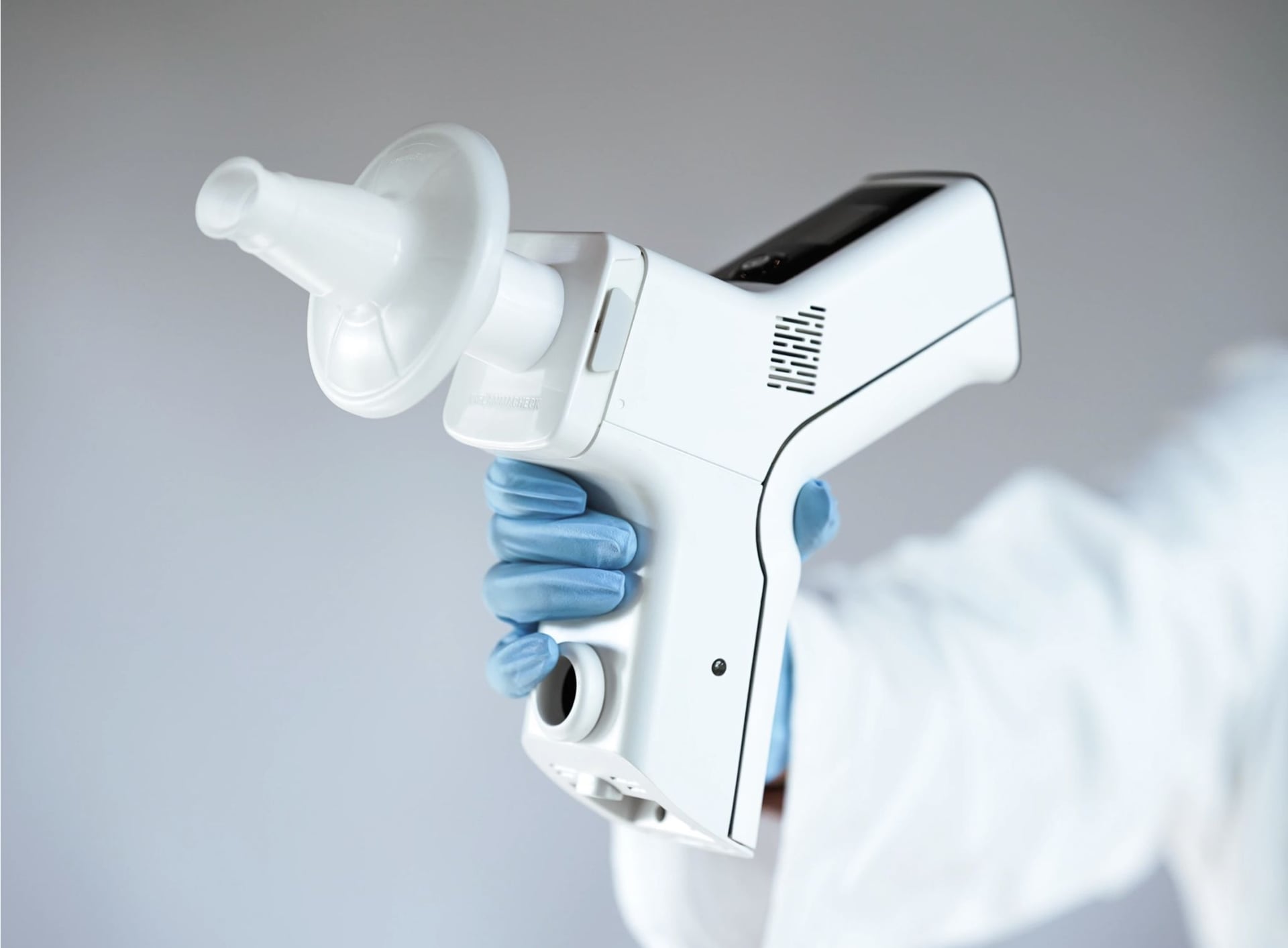
Scientists keep exploring simple breath tests that could catch lung cancer early, when treatment works best. A recent pilot study of one handheld device now offers encouraging signs for use in routine screening.
A team of researchers from the University of Manchester, University of Portsmouth and the Northern Care Alliance NHS Foundation Trust tested Exhalation Technology’s Inflammacheck device among people already taking part in Greater Manchester’s Targeted Lung Health Check programme. After quality checks, they examined results from 34 participants with valid data.
Most of those with cancer had early-stage disease, while the comparison group consisted of current and former smokers whose CT scans showed only low-risk findings that needed no further action. Ages were similar across groups, around 69 years. Participants breathed normally through a disposable mouthpiece while wearing a nose clip for up to six minutes.
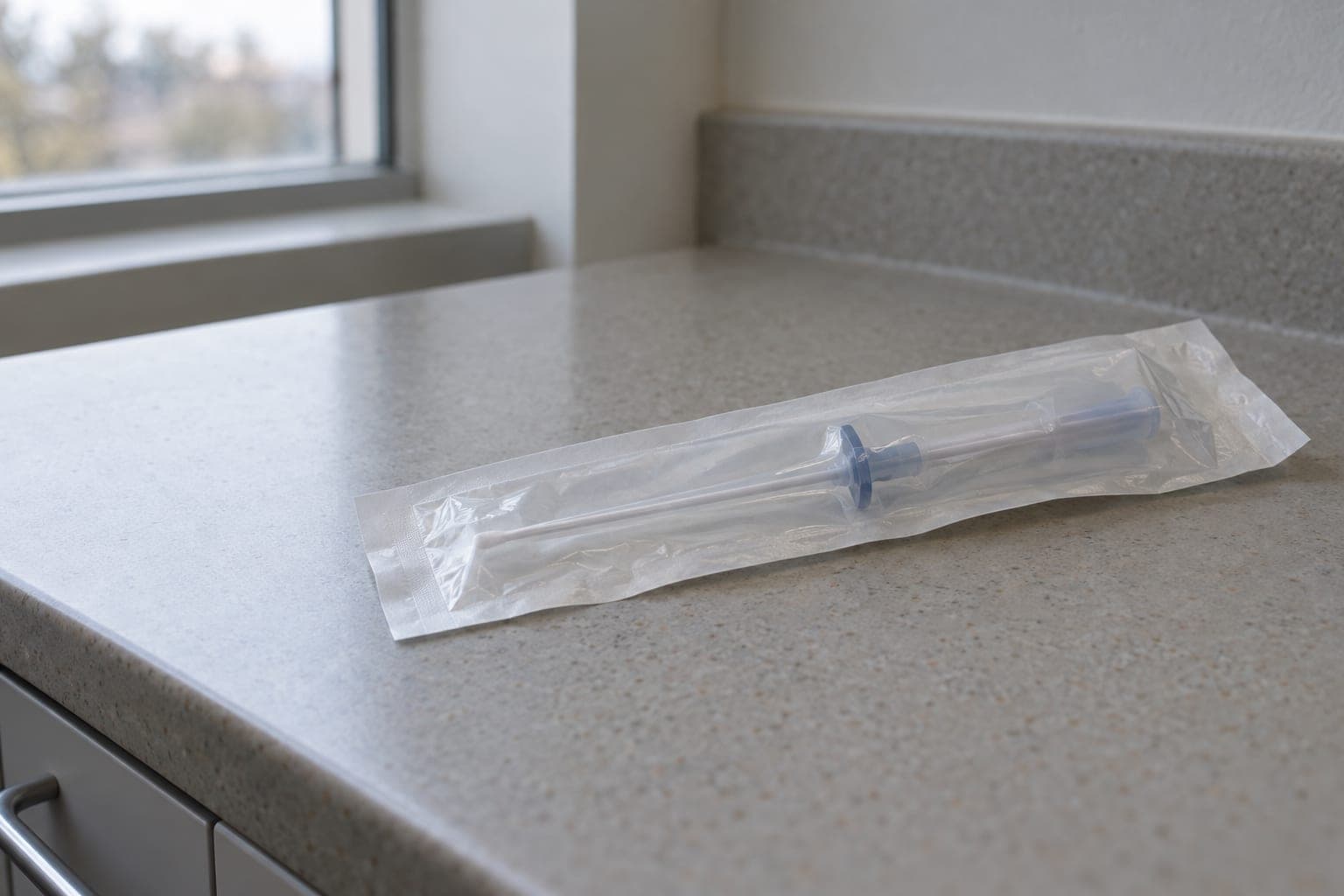
Inflammacheck is a lightweight, fully automated tool that needs no specialist training. Its disposable cartridge captures the cooled liquid from breath and measures hydrogen peroxide — a marker linked to stress inside tumours — together with carbon dioxide, humidity, temperature and airflow. The device produces a detailed set of readings from ordinary breathing and uses built-in analysis to deliver a result in minutes with no lab handling required.
Read more: Breath Diagnostics advances pre-op pneumonia screening with FDA breakthrough designation
Promising accuracy and future role
Patterns in the combined readings clearly separated people with cancer from those without. The best machine learning model correctly identified most of the early cancers while clearing every person in the non-cancer group, achieving roughly 86 per cent overall accuracy, 80 per cent sensitivity and 100 per cent specificity.
No false positives appeared. Separate laboratory work on larger breath samples utilising liquid chromatography-mass spectrometry also uncovered four new molecules that distinguished the groups even more strongly, with a high accuracy score of about 0.97.
“These metabolites, detected during normal tidal breathing, provide a glimpse into the biochemical microenvironment of the respiratory tract,” the authors explained.
These results suggest Inflammacheck could serve as a quick, low-cost check in primary care or screening programmes. Its high specificity would help general practitioners and health check teams decide more confidently who needs a CT scan, reducing unnecessary radiation, costs and anxiety for patients.
Researchers plan to incorporate the newly found molecules into the device and launch larger multi-centre studies. Wider clinical use is still several years away, pending those confirmations.
“It could potentially be used in the UK Targeted Lung Health Check programme to improve the efficiency of screening by reducing the number of expensive CT scans needed,” commented NCA Research & Innovation on social media.
Caveats and competing approaches
The pilot remained small, some samples were lost to sensor issues, and the comparison group had only short-term clear scans rather than long-term confirmation they stayed free of cancer. Medications may also have influenced some readings, so bigger and more diverse trials are essential before routine adoption.
Others are currently advancing similar ideas. Breath Diagnostics’ OneBreath collects a single exhalation into a bag for laboratory analysis of specific chemicals and has reported 94 per cent sensitivity with 85 per cent specificity across more than 800 people. Vocxi Health, partnering with Forj Medical, is refining its MyBreathPrint handheld unit that uses graphene sensors and AI to analyse roughly one minute of breathing and return near-instant results. Moreover, Owlstone Medical continues multi-centre trials of its Breath Biopsy platform and special probes that detect early tumour signals in exhaled air.
Inflammacheck stands out for its fully automated point-of-care design and perfect specificity in this limited early test, but all of these tools still require larger real-world evidence before they could enter everyday practice.
Read more: Prestigious medtech intelligence firm recognizes Breath Diagnostics for innovation
Follow Rowan Dunne on LinkedIn
rowan@mugglehead.com