Akebia Therapeutics reports noninferiority in vadadustat dosing trial
The 353-patient VOCAL study tested three-times-weekly vadadustat, a regimen that remains investigational despite Vafseo's daily-use approval.
 Adrian Kessler
A three-times-weekly vadadustat regimen met a Phase 3 hemoglobin target as Akebia Therapeutics, Inc. NASDAQAKBA reported positive dosing results on Thursday. The 353-patient VOCAL trial adds efficacy evidence for a schedule that remains investigational despite the drug's existing daily-use approval.
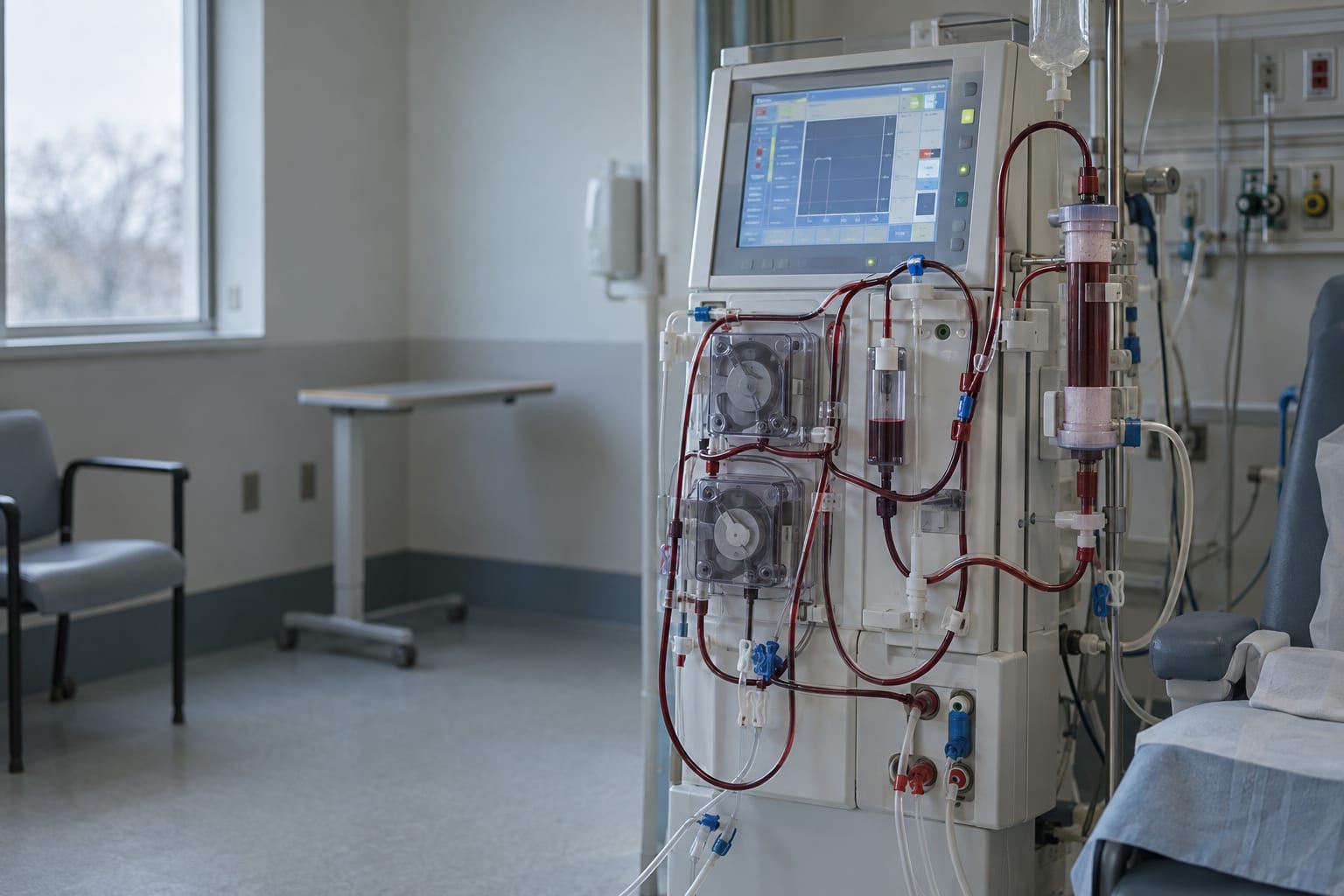
Patients receiving in-centre hemodialysis were randomized equally between vadadustat and Mircera, an erythropoiesis-stimulating agent, according to Akebia's Nov. 5 release. The primary endpoint compared the change in hemoglobin from baseline with the average during weeks 20 to 24. The study enrolled patients across 18 hemodialysis clinics.
Akebia is a small commercial-stage biopharmaceutical company based in Massachusetts that develops and sells treatments for kidney disease.
Shares closed at US$0.69 on Nasdaq at 4 p.m. EST on Nov. 4, according to NASDAQAKBA, before the trial announcement. Akebia also released quarterly results on Thursday and scheduled an earnings call for 8 a.m. EST.
The least-squares mean difference in hemoglobin change was minus 0.45 grams per decilitre for vadadustat against Mircera. The 95 per cent confidence interval ran from minus 0.71 to minus 0.19 grams per decilitre.
The lower bound cleared the noninferiority margin of minus 0.75 grams per decilitre, so the trial met its stated criterion even though the estimated difference favoured Mircera.
Exposure-adjusted treatment-emergent serious adverse-event rates were 159.7 events per 100 patient-years with vadadustat, compared with 183.9 with Mircera; Akebia described the rates as similar. The company's prescribing information carries a boxed warning about increased risks including death, heart attack, stroke and blood clots.
Three-Times-Weekly Dosing Remains Investigational
The ClinicalTrials.gov record, updated Oct. 29, identifies VOCAL as an open-label Phase 3 trial. Neither patients nor investigators were blinded to treatment, and the primary outcome assessed anemia control rather than changes in kidney function.
Read more: Ascendis Pharma reports kidney-function gains sustained for up to five years
The FDA approved Vafseo, the brand name for vadadustat, in March 2024 for adults with anemia caused by chronic kidney disease who have received dialysis for at least three months. That approval covers once-daily administration; the new result supplies evidence about a different schedule. Vafseo has not been shown to improve quality of life, fatigue or patient well-being, according to the prescribing information in Akebia's release.
"Vadadustat met the primary endpoint of non-inferiority to ESA in maintaining hemoglobin (Hb) and treatment-emergent serious adverse events rates were similar with vadadustat versus ESA," Akebia said in the release.
The established treatment set includes Amgen Inc. NASDAQAMGN, whose Epogen prescribing information describes three-times-weekly administration for dialysis-related anemia. Epogen is indicated to reduce the need for red blood cell transfusions; VOCAL used Mircera as its comparator.
For broader sector context, the iShares Biotechnology ETF NASDAQIBB closed at US$221.13 at 4 p.m. EST on Nov. 4. That benchmark also predates Akebia's data.
Patient Growth Meets Inventory Pressure
Akebia's Nov. 5 financial update reported approximately 11,500 active Vafseo patients at Sept. 30. Third-quarter Vafseo revenue was US$14.8 million, while an inventory reduction at its largest customer primarily drove the decline from the preceding quarter.
Cash and cash equivalents totalled approximately US$159.3 million at Sept. 30. Alongside its commercial business, Akebia is conducting an open-label Phase 2 trial of ebribafusp alfa in rare kidney diseases, with initial data expected in 2027.
Read more: Climb Bio reports 38 per cent immunologic remission in kidney trial
Akebia's next scheduled event is its Nov. 5 conference call at 8 a.m. EST to discuss third-quarter results and business highlights.