Kazakhstan starts constructing first industrial-scale AI‑robotics complex
An initial investment of US$200 million has been procured
 Rowan Dunne
Robotics and artificial intelligence are moving into daily Kazakh life, from factory floors to school lessons.
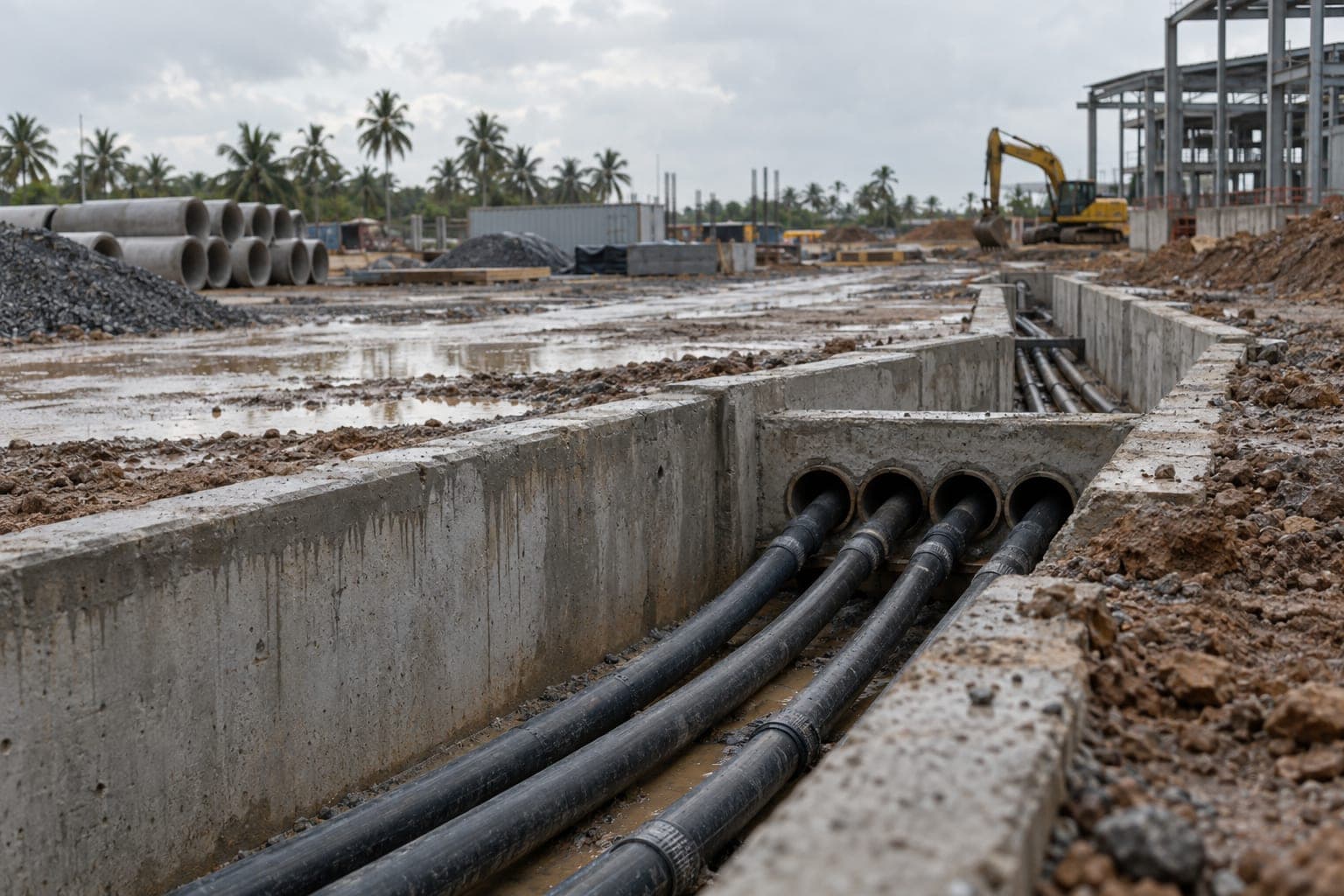
Kazakhstan has now started building its first industrial-scale robotics and AI complex. Construction of the QAZBOT facility began in Astana on Aug. 18.
The project, run by local operator QAZBOT Technologies with Chinese partner AgiBot, will house research, software and AI model work. It will also test and produce robotic systems, mainly humanoid ones.
Officials from the Ministry of Artificial Intelligence and Digital Development and the Astana Mayor’s Office attended the groundbreaking. The first phase will be completed with a US$200 million investment pooled together by stakeholders. QAZBOT Technologies chief executive Vladislav Safarov says his company wants a full cycle in Kazakhstan — from research and software to production, testing and training engineers. Planned uses for these robots include manufacturing, logistics, finance, healthcare and social services.
“A year from now you will witness the grand opening of the plant,” QAZBOT chief technical officer Azamat Yeshmukhametov optimistically told reporters. “This is a unique project of great significance to Kazakhstan.”
News of shovels hitting the ground was made public the next day at the QAZBOT ROBOTICS FORUM 2026 at the alem.ai centre in Astana, where AgiBot robots showed off coordinated movement and even traditional Kazakh dance. Several agreements on technology and education were signed there.
The complex sits against a wider set of recent steps. Earlier this month Astana hosted the third International Olympiad in Artificial Intelligence. More than 450 students from over 100 countries took part. Kazakhstan’s eight-member team won two gold, two silver and four bronze medals — finishing sixth overall.
In July, the country became a founding member of the Beijing-backed World Artificial Intelligence Cooperation Organization. In addition, AI education became compulsory in universities last year and started appearing in secondary school digital literacy classes. A May decree aims to spread them across all state schools by 2029.
Kazakhstan still relies heavily on foreign technology and expertise though, and it is not yet clear how quickly the future complex will be able to deliver robots that local industries can use at scale.
Read more: Serve Robotics didn’t expect Uber to sell its entire stake
Follow Rowan Dunne on LinkedIn
rowan@mugglehead.com