Deutsche Telekom plans nearly €250M Munich AI expansion to 20 MW
The first phase is fully booked, but Telekom gives no commissioning date or contracted revenue for the added capacity.
 Julian Okafor
A nearly €250 million expansion would add industrial AI computing capacity in Munich, with the delivery date and contracted revenue still undisclosed. Deutsche Telekom AG ETRDTE OTCMKTSDTEGY, the Bonn-based telecommunications operator, announced plans on Monday to expand its Industrial AI Cloud to 20 megawatts after the first phase booked out.
Telekom shares traded at €25.77 on Xetra at 3:35 p.m. CET on Nov. 9 ETRDTE. That quotation is an intraday snapshot, with trading in Germany still under way.
The Nov. 9 announcement commits nearly another quarter-billion euros to the Industrial AI Cloud in Munich’s Tucherpark. Telekom identifies demand from industrial users as the reason for expanding, but gives no contract value, customer allocation or revenue forecast for the additional capacity.
The 20-megawatt figure describes the planned expansion’s capacity, without specifying whether it measures total facility demand or critical IT power. The release gives no commissioning date for the added equipment and does not identify the expanded capacity as contracted customer load.
The First Phase Is Fully Booked
The first phase was officially launched on Feb. 4, when Telekom said existing customers were using more than a third of its capacity. Monday’s release says it was fully booked seven months after opening, and that planning for additional phases began in May.
The distinction between those disclosures is relevant to the revenue opportunity: the February statement described capacity already being used, while November describes bookings. Neither release supplies Munich-specific sales, booking prices or contract duration, leaving holders without a disclosed revenue figure against the new capital commitment.
“The expansion is therefore the next step toward moving AI computing capacity in Germany from pilot projects to broad industrial deployment,” Telekom board member and T-Systems chief executive Ferri Abolhassan said in Monday’s release, translated from German.
Telekom’s Feb. 4 launch release identifies a contracted research customer: Leibniz Universität Hannover awarded it the technical infrastructure work for the SOOFI language-model project. The project targets a European open-source model with around 100 billion parameters, trained and operated entirely in Europe.
The university award establishes a specific use for the cloud, but the launch release gives no contract amount or reserved megawatts. Telekom’s subsidiary T-Systems supplies the infrastructure and platform layer, putting the parent’s revenue opportunity in computing and associated platform services.
NVIDIA Supplies The Computing Platform
NVIDIA Corporation NASDAQNVDA, the US chip designer supplying the cloud’s computing technology, described the original platform in its Nov. 4, 2025 announcement. That document specified up to 10,000 GPUs and identified DGX B200 systems and RTX PRO Servers, alongside its AI software platforms.
NVIDIA shares closed at US$186.64 on Nasdaq at 4 p.m. EST on Nov. 6 NASDAQNVDA. Telekom’s new spending announcement does not disclose how much of the nearly €250 million will become revenue for the chip supplier.
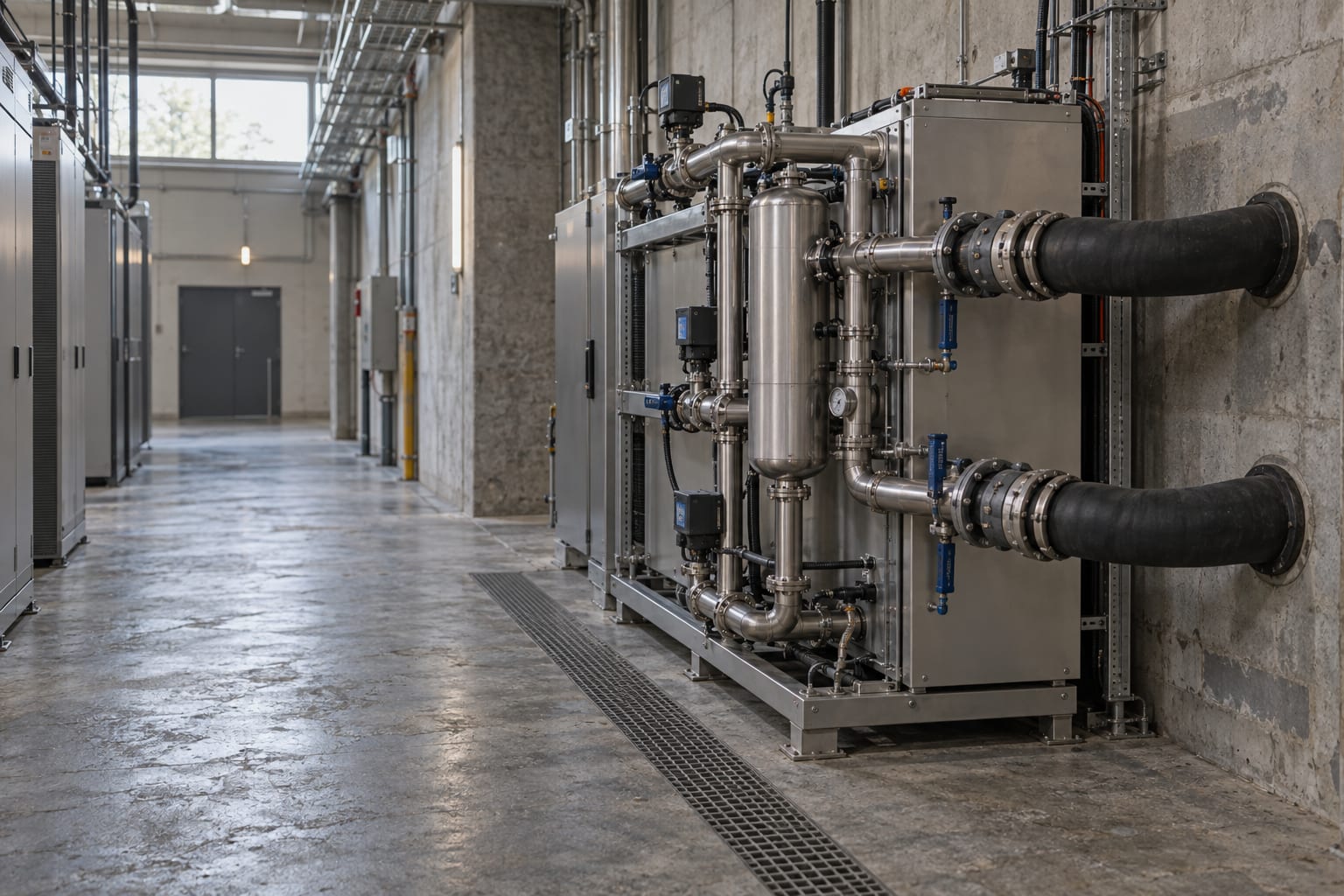
The infrastructure commitment extends beyond installing processors. Telekom said in February that it had modernized an existing Munich data centre covering around 10,700 square metres, with the AI factory built over six months alongside its partners.
Telekom also reports a power usage effectiveness ratio of 1.2 in its November release, comparing the facility’s electricity use with that of its IT equipment. The February announcement says the site uses renewable electricity and is intended to supply waste heat to the surrounding Tucherpark district.
That operating starting point adds a European project to the AI infrastructure spending and delivery cycle covered by Mugglehead. Munich’s first phase has an operating history dating to February; the newly announced expansion still lacks a published service-start date.
Read more: IREN plans US$15B in spending as AI revenue target slips into 2027
Further Bavarian Expansion Awaits An Investment Decision
Telekom’s November release also describes talks with partners about extending its involvement elsewhere in Bavaria. It says implementation requires viable financial conditions, reliable financing and an economically sustainable model, and that no final investment decision has been made.
Those discussions are separate from the Munich expansion announced on Monday. The release supplies neither an investment amount nor a commissioning timetable for that further initiative, so it adds no quantified capacity to the announced 20-megawatt plan.
The next scheduled opportunity for holders to press for the Munich timetable is a Nov. 10 private-investor webcast with Hannes Wittig, Telekom’s head of investor relations. A service-start date, customer commitments and project revenue remain undisclosed ahead of that event.