WhiteFiber subsidiaries sign US$300M NC‑1 loan with funding conditions
The first US$200 million draw awaits customer acceptance and other conditions, with borrowing at a minimum 8 per cent before fees.
 Julian Okafor
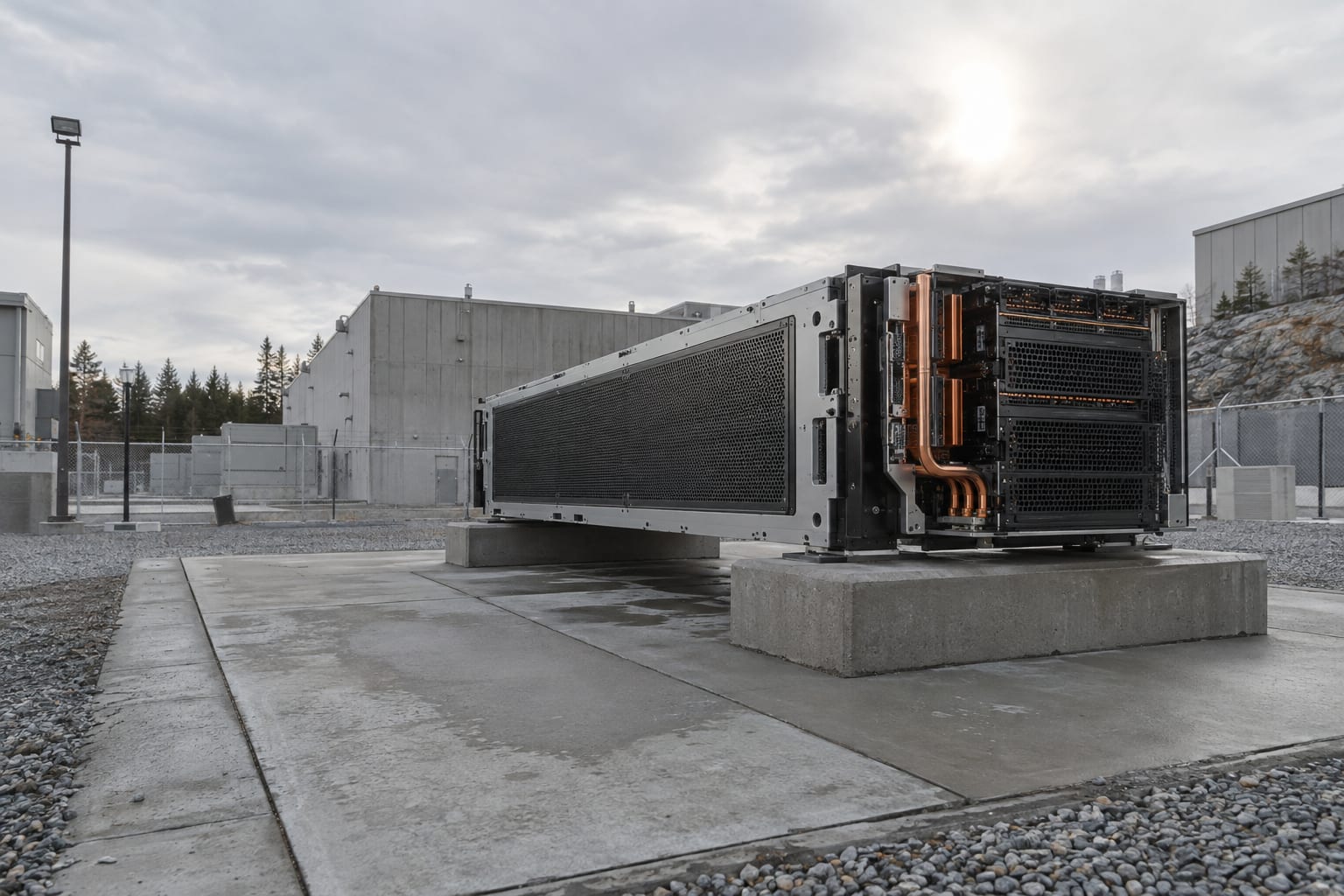
A US$300 million loan commitment for a North Carolina data centre requires customer acceptance before the first money can be drawn. WhiteFiber, Inc. NASDAQWYFI, an AI infrastructure company providing computing capacity and colocation, said its subsidiaries signed the agreement on Monday for NC-1's first 40 megawatts.
In its Tuesday securities filing, WhiteFiber described a US$200 million initial term facility and a US$100 million delayed-draw facility. No loans had been funded as of the report, and the initial draw depends on readiness, customer acceptance and other conditions.
WhiteFiber's Tuesday earnings release says all 40 megawatts of contracted IT capacity are now operational and billing has begun for the full contracted capacity. It expects initial funding in late November or early December, with proceeds intended to reimburse some invested development equity after project costs, reserves and fees. The loan carries a minimum interest rate of 8 per cent before fees, while the company has not quantified remaining construction payments.
Shares NASDAQWYFI closed at US$9.57, up 7.77 per cent, on Nasdaq at 4:00 p.m. EST on Monday, according to Google Finance. That close preceded Tuesday's operating update and does not establish a market reaction to the confirmation of full-capacity billing.
The Initial Draw Has Conditions Beyond Operations
Enovum NC-1 Midco, LLC and its wholly owned borrower, Enovum NC-1 Bidco, LLC, signed the credit agreement as indirect wholly owned subsidiaries of WhiteFiber. The filing schedules initial funding within 30 days of closing, with up to two successive 30-day extensions.
The delayed-draw window opens only after initial funding and receipt of financial statements covering the first three consecutive full calendar months following delivery. It closes six months after initial funding. Borrowing also requires final completion of the first 40-megawatt phase and satisfaction of financial tests.
The filing permits proceeds to pay or reimburse construction and punch-list costs, establish required reserves and cover transaction expenses. Permitted distributions to equity holders are another allowed use, subject to the agreement's restrictions.
"The NC-1 project financing provides a path to recycle invested capital into our next projects," WhiteFiber chief executive Sam Tabar said in Tuesday's release.
The Nov. 3 operating update said capital investment needed for the initial contracted deployment was substantially complete. Tuesday's release places expected total development costs near the upper end of the original budget range, pending reconciliation of final contractor and vendor invoices.
Neither update quantifies the remaining unpaid construction bill. WhiteFiber therefore has not provided enough information in those releases to calculate a remaining construction funding gap or the equity reimbursement available after reserves and fees.
The operating timetable has already changed. Switchgear commissioning problems interrupted service and billing for the first 20-megawatt hall and delayed the full ramp beyond the anticipated August timeframe, according to the Nov. 3 update. Tuesday's confirmation of full billing follows that equipment-related delay.
The Interest Floor Is Eight Per Cent Before Fees
The borrower can elect Term SOFR plus six percentage points, with a 2 per cent SOFR floor. The alternative is a base rate plus five percentage points, with a 3 per cent floor. Either formula sets a minimum annual interest rate of 8 per cent before fees.
Unused commitments accrue a commitment fee from closing, while arranger and structuring fees and lender premiums add to borrowing costs. The filing does not quantify those charges in its summary, so the interest floor does not establish the facility's total financing cost. WhiteFiber says it will file the full credit agreement with its next annual report.
Both facilities mature five years after initial funding. Initial loans amortize quarterly at 2.5 per cent of funded principal, starting with the quarter ending March 31, 2027; the remaining balance falls due at maturity. Delayed-draw loans also require quarterly amortization.
The borrower must provide a mortgage over NC-1 before initial funding. White Fiber Operating Partnership LP must deliver an unsecured completion guarantee covering cost overruns and specified carrying costs, with minimum net-worth and liquidity requirements still to be finalized. WhiteFiber itself does not guarantee the loans.
The financing arrives after WhiteFiber reported US$147.6 million of combined cash and restricted cash at Sept. 30. That total includes restricted balances, and the company subsequently paid US$60 million cash for two additional North Carolina development properties, according to its Nov. 3 announcement.
The distinction between financing commitments and available capital also runs through Mugglehead's coverage of AI infrastructure spending plans. At NC-1, the filing's customer-acceptance conditions and delayed-draw tests determine when the signed commitment becomes usable money.
Read more: IREN plans US$15B in spending as AI revenue target slips into 2027
The next test is initial funding against WhiteFiber's late-November or early-December expectation. The first financial-covenant test period ends March 31, 2027, when the borrower must meet minimum debt-service coverage and maximum debt-to-net-operating-income requirements.