Stallion Uranium expands Coyote drilling after stronger radioactive readings
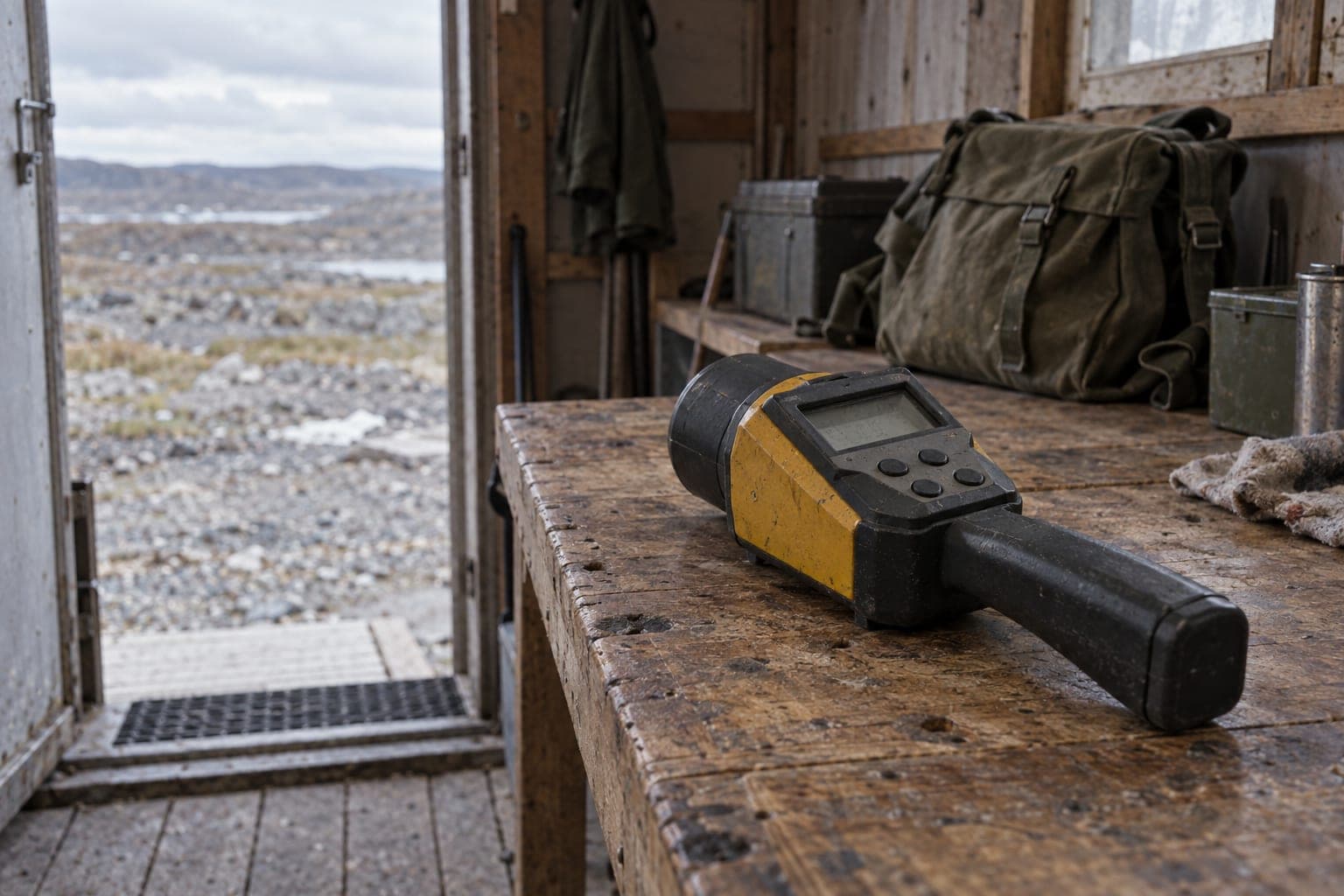
Geologists commonly use radioactive readings as an exploration tool when searching for uranium deposits
 Joseph Morton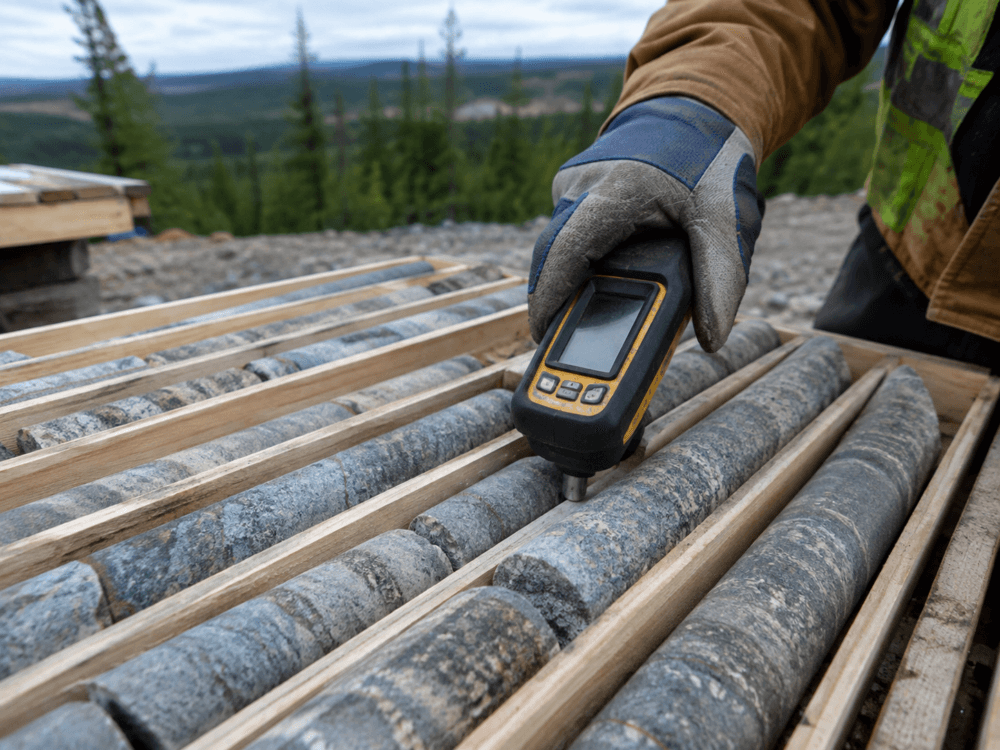
Stallion Uranium Corp. (CVE: STUD) (OTCMKTS: STLNF) (FSE: B76) plans to expand its Coyote uranium drilling program after encountering increased radioactivity in its latest holes.
According to a Thursday press release, the company has completed 4,626 metres of drilling at the Coyote target in Saskatchewan’s Athabasca Basin. That total represents about 84 per cent of the previously planned 5,500-metre program.
Additionally, Stallion now intends to increase the program to approximately 6,750 metres before the 2026 exploration season ends. The expansion adds about 1,250 metres of planned drilling as the company further tests the Coyote system.
The latest work included drill holes ML26-005 and ML26-006A, which both encountered increased levels of radioactivity. ML26-005 returned the strongest peak radioactive response that Stallion has recorded at Coyote to date.
The hole produced a peak reading of 1,416 counts per second, or cps. Furthermore, that reading occurred within a 2.3-metre interval that averaged 595 cps.
Geologists commonly use radioactive readings as an exploration tool when searching for uranium deposits. However, elevated radioactivity does not by itself establish the grade or economic value of a uranium discovery.
Laboratory assays provide more precise measurements of how much uranium and other elements exist within collected rock samples. Consequently, Stallion continues evaluating its radioactive readings alongside geological, structural and geophysical information from the broader program.
The company said the latest drilling has improved its understanding of Coyote’s structural and alteration systems. Alteration occurs when geological processes change the minerals or chemistry of rocks, sometimes providing clues to nearby mineralization.
Meanwhile, structural information can help geologists understand how faults, fractures and other features may have controlled the movement of uranium-bearing fluids.
Read more: US Energy Department selects five states for nuclear fuel campuses
Read more: SuperCritical wins DOE licence to commercialize seawater uranium extraction
Stronger radioactive response is encouraging development
Stallion will use the growing dataset to refine areas it considers most prospective for additional drilling.
The company plans to complete the remaining metres from its original 5,500-metre program before proceeding with the expansion. Subsequently, crews will continue testing priority areas within Coyote while incorporating information collected during earlier 2026 drilling.
Chief executive officer Matthew Schwab described the stronger radioactive response in ML26-005 as an encouraging development for the exploration program. He said the company must consider those readings alongside alteration, structural geology and geophysical data.
Additionally, Schwab said the progress at Coyote gave Stallion enough confidence to add drilling before the exploration season concludes. The additional holes should give geologists more information about the size, orientation and characteristics of the system.
Stallion has also started advancing another uranium target elsewhere in its Athabasca Basin portfolio. Crews have mobilized for a ground gravity survey at the company’s Stone Island Project.
The survey will measure small variations in the density of rocks beneath the surface. Geologists can use those differences to identify alteration zones and structures that could warrant further exploration.
In addition, gravity surveys can help explorers narrow large areas into smaller targets before committing money to drilling. Stallion plans to combine the new survey results with its existing geological and geophysical information.
The company will also integrate results from previously completed Haystack artificial intelligence targeting work. That analysis forms another layer of information used to rank possible exploration targets.
Coyote currently remains Stallion’s main drilling focus within its Saskatchewan portfolio. However, the company is advancing Stone Island as part of a broader strategy to maintain several potential discovery opportunities.
Read more: Westinghouse seeks U.S. IPO amid AI-driven nuclear investment boom
Read more: Why uranium ETFs are lagging the U.S. nuclear renaissance
Process aims to reduce amount of ground requiring drilling
Stallion initially evaluates large exploration areas using regional geological information and existing datasets. It subsequently adds higher-resolution exploration methods as individual targets begin showing stronger potential.
This process aims to reduce the amount of ground requiring expensive drilling. Consequently, the company can direct drilling toward areas supported by several different types of exploration evidence.
Stallion used that approach to advance Coyote from an early exploration concept into a multi-phase drilling program. The company is now applying a similar process to Stone Island and other targets across its portfolio.
Schwab said maintaining a pipeline of targets gives Stallion several opportunities to make discoveries across its Athabasca Basin properties. Meanwhile, work at Coyote will continue generating information that can guide the remaining holes planned for 2026.
The company will interpret results from ML26-005 and ML26-006A alongside data collected throughout the current drilling campaign. It will also complete and interpret the Stone Island gravity survey.
Furthermore, Stallion plans to combine those gravity results with its Haystack targeting work and previously collected geophysical datasets. The company will continue ranking other priority targets across its wider Athabasca Basin land position.