US Energy Department selects five states for nuclear fuel campuses
Officials said the campuses could attract up to USD$50 billion in private capital investment
 Joseph Morton
The US Department of Energy selected Tennessee, Utah, Louisiana, Idaho and Oklahoma as potential hosts for Nuclear Lifecycle Innovation Campuses.
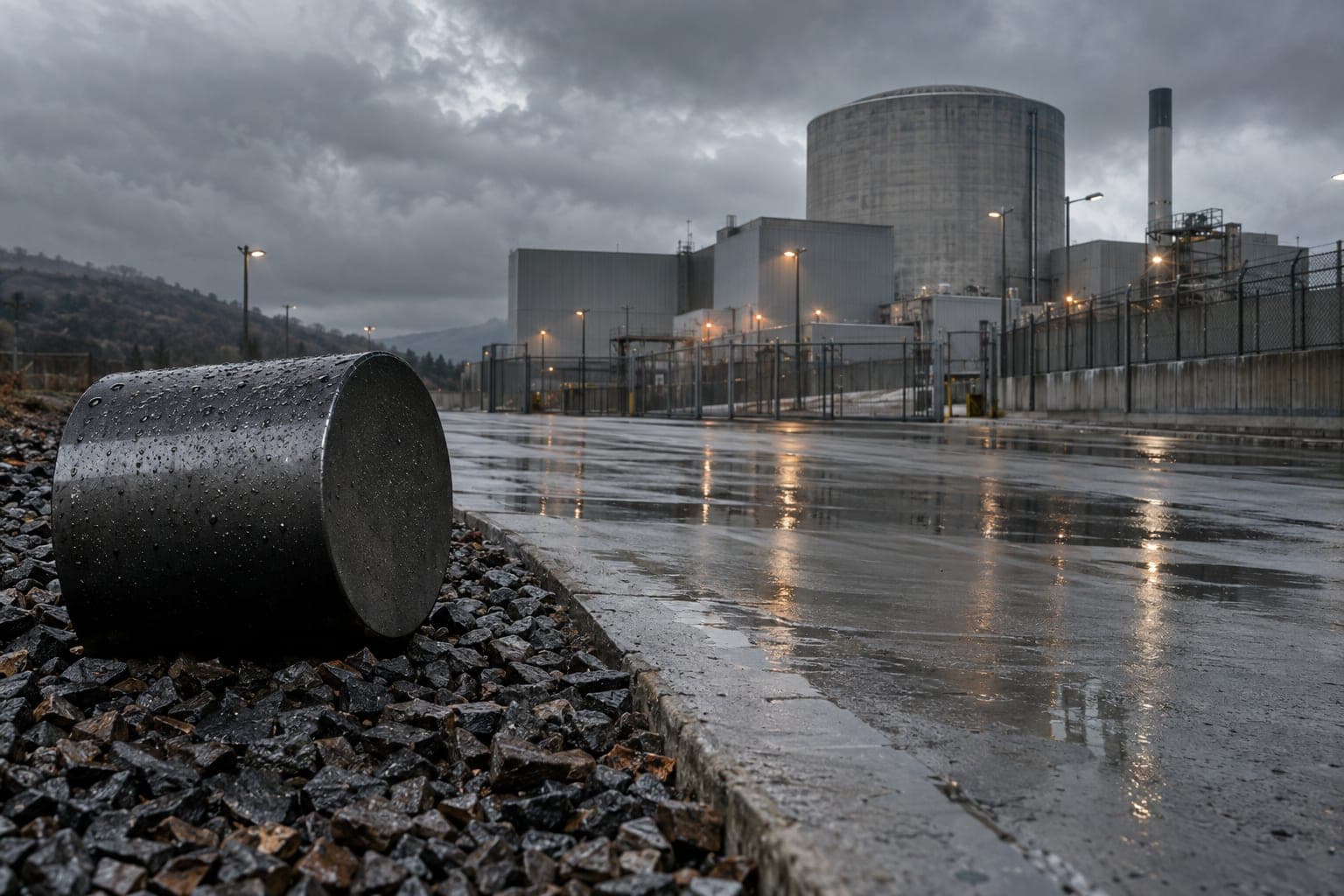
Announced on Tuesday, the decision advances plans to modernize the country’s nuclear fuel system while renewing a long-running effort to address nearly 100,000 metric tons of spent nuclear fuel from commercial power plants.
Energy Secretary Chris Wright signed non-binding Memorandums of Understanding with each state.
Additionally, officials said the campuses could attract up to USD$50 billion in private capital investment.
The department estimated the developments could create nearly 25,000 jobs and generate up to USD$10 billion in state and local tax revenue.
The proposed campuses would support the entire nuclear fuel cycle, including uranium enrichment, fuel fabrication, used-fuel reprocessing and permanent waste disposal, while also allowing states to pursue advanced reactor projects, electricity generation, advanced manufacturing facilities and colocated data centres where regional priorities support those activities.
However, the agreements do not commit any state to hosting a campus.
Each state will decide later whether to negotiate a formal hosting agreement with the department.
The Energy Department chose the five finalists after reviewing 28 applications from 26 states.
Meanwhile, Wright described the campuses as major economic development projects that would strengthen domestic nuclear capabilities and support the administration’s broader energy strategy.
He also said the selected states would now explore whether the projects fit their long-term economic goals.
Subsequently, the department plans to work with each state on detailed evaluations covering technical requirements, infrastructure, workforce development and community considerations before any campus moves forward, while officials continue shaping a national strategy that combines fuel production, recycling, waste management and advanced nuclear technologies at integrated industrial sites.
Read more: SuperCritical wins DOE licence to commercialize seawater uranium extraction
Read more: Cameco backs USD$17.5B U.S. reactor financing plan
New technologies spur a nuclear renaissance
President Donald Trump has called for quadrupling US nuclear power generation and building 10 large reactors.
Congress designated Yucca Mountain in Nevada as the national nuclear waste repository in 1987, but political opposition prevented its development.
The initiative also reflects the Trump administration’s broader effort to accelerate what officials describe as a US nuclear renaissance.
Rising electricity demand from artificial intelligence, advanced manufacturing and expanding data centres has renewed interest in nuclear power. The increased demand is because reactors produce reliable, around-the-clock electricity without carbon emissions during operation.
Consequently, policymakers increasingly view nuclear energy as a complement to renewable power rather than a direct competitor.
Wind and solar generation will continue expanding because they remain among the lowest-cost sources of new electricity in many regions.
However, their intermittent output has increased demand for stable baseload generation that does not depend on weather conditions.
Nuclear plants can fill that role while reducing reliance on natural gas during periods of weak wind or limited sunshine.
Additionally, a larger domestic nuclear industry would require a stronger uranium supply chain. The United States currently imports much of the uranium used in its reactors, along with enrichment services from foreign suppliers. Expanding reactor construction and fuel production would increase demand for uranium mining, conversion, enrichment and fuel fabrication within North America.
That shift could benefit uranium producers in the United States and Canada, including Cameco Corp. (TSE: CCO) (NYSE: CCJ), while also creating opportunities for developers seeking to bring new projects into production.
Furthermore, increased investment in enrichment and fuel recycling could reduce dependence on foreign nuclear fuel suppliers and improve long-term energy security, a goal that has gained momentum following geopolitical disruptions to global energy markets.
.