Artificial Intelligence and the invisible revolution: A Mugglehead roundup
AI is increasingly influencing decisions that shape everyday life
 Joseph Morton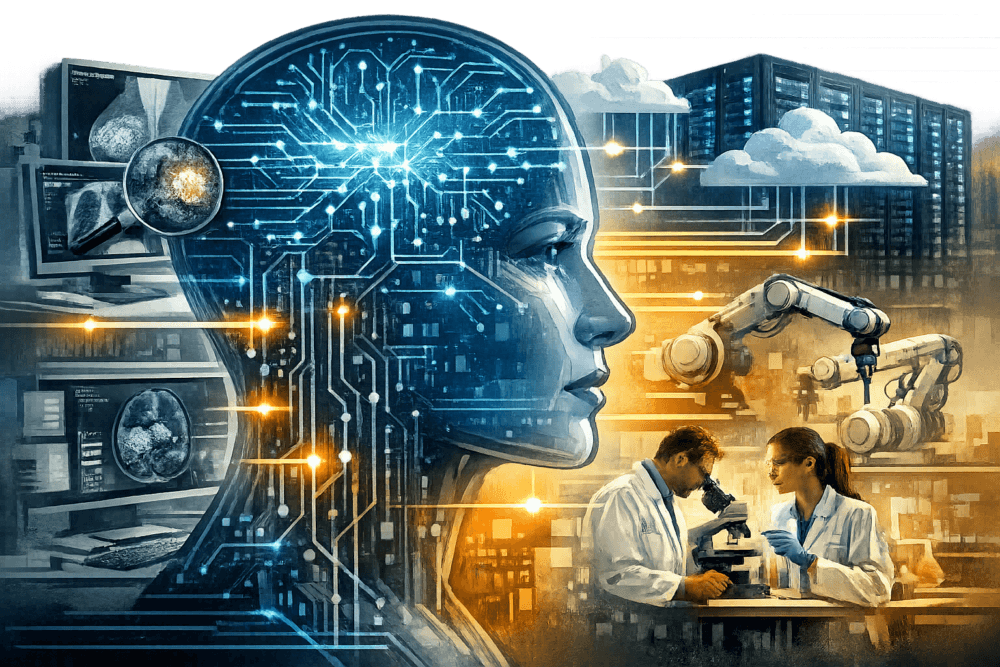
The debate over artificial intelligence has extended far beyond chatbots. Now it’s about who gets hired and fired, who and what gets electricity, how communities use water and what jobs get to survive into the next decade.
From courtrooms and corporate boardrooms to city streets and data centres, AI is increasingly influencing decisions that shape everyday life. Consequently, a growing number of conflicts that appear unrelated on the surface are emerging from the same source: the rapid reorganization of society around artificial intelligence.
Artificial intelligence may be reducing water use inside data centres, but mounting evidence suggests the technology’s broader environmental and labour impacts remain unresolved as companies expand AI infrastructure and automate more workplace functions.
Recent developments across the sector illustrate a growing divide between industry claims and public concerns. Nvidia Corporation NASDAQNVDA has unveiled a new cooling system that virtually eliminates on-site water consumption in AI facilities.
Meanwhile, a federal judge has allowed a landmark lawsuit against human resources software provider Workday to proceed. Additionally, Oracle Corporation NYSEORCL disclosed that it eliminated roughly 21,000 jobs over the past year while citing AI-driven restructuring efforts. At the same time, opposition to proposed AI data centres in Vancouver continues to grow amid concerns about electricity demand, water use and the impact of generative AI on creative industries.
The developments arrive as governments and technology companies invest billions of dollars in artificial intelligence infrastructure. Companies increasingly present AI as a tool for improving efficiency, reducing costs and solving technical challenges. However, critics argue that many of the industry’s most pressing concerns remain unanswered.
Here are five ways artificial intelligence is reorganizing society.
The reorganization of workforces begins with who gets hired
Labour advocates and regulators are increasingly scrutinizing how artificial intelligence influences hiring decisions and workplace management.
That debate intensified this week after a federal judge allowed a major lawsuit against Workday to proceed. The case alleges the company’s AI-powered recruiting software screened applicants in ways that violated anti-discrimination laws by disadvantaging people with disabilities and potentially relying on indirect indicators such as employment gaps.
U.S. District Judge Rita Lin rejected several of Workday’s arguments for dismissal, ruling that California anti-discrimination laws could apply because the company allegedly engaged in relevant conduct from its California headquarters. She also allowed disability discrimination claims under the Americans with Disabilities Act to move forward.
The court dismissed one allegation involving discrimination against Asian American applicants. However, claims involving Black applicants, women and individuals older than 40 remain active.
Workday denied the allegations, saying its software evaluates job qualifications rather than protected characteristics and does not make hiring decisions independently. The company added that it regularly tests its products through a responsible AI program designed to identify and reduce bias.
The lawsuit is widely viewed as one of the first major legal challenges to algorithmic hiring systems and could help shape how courts assess future discrimination claims involving artificial intelligence.
The outcome could have broad implications. More than 80 per cent of U.S. employers now use some form of AI during recruitment. Furthermore, AI-assisted hiring has become common among Fortune 500 companies. Conversely, regulators and worker advocates have repeatedly warned that algorithms trained on historical employment data may unintentionally reinforce existing biases.
Oracle joins multiple tech companies in laying off workers for AI
Artificial intelligence continues to reshape the global workforce. Whether the technology will ultimately eliminate jobs or create new ones remains fiercely contested.
The debate intensified earlier this month after Oracle disclosed it reduced its workforce by roughly 21,000 employees over the past fiscal year. In regulatory filings, the company acknowledged that deploying AI across its operations has already reduced staffing requirements. The reductions come as Oracle pours billions into cloud infrastructure and data centres to support growing demand for AI services.
The announcement reflects a broader trend across the technology sector.
Multiple big name tech companies have trimmed headcounts while simultaneously accelerating investments in artificial intelligence. They argue that new tools can automate routine work and improve productivity. Critics warn those efficiency gains may come at the expense of white-collar workers whose responsibilities increasingly overlap with AI capabilities.
Yet not everyone expects AI to shrink the workforce over the long term. Speaking at the VivaTech conference in Paris, Jeff Bezos argued that AI will create labour shortages rather than widespread unemployment. He said AI will remove barriers that limit productivity, allowing businesses to pursue new work instead of simply replacing employees.
Read more: Breath Diagnostics advances pre-op pneumonia screening with FDA breakthrough designation
Artificial intelligence offers to reorganize drug development
Artificial intelligence is increasingly becoming a tool for scientific discovery rather than simply automating office work.
One of the fastest-growing applications is drug development. Here AI models predict how molecules interact with proteins. This information helps scientists narrow thousands of potential compounds to the most promising candidates before laboratory testing begins. Researchers say the approach could reduce years of trial-and-error while lowering development costs.
Pharmaceutical companies are rapidly expanding their investments. Eli Lilly and Company NYSELLY has built an AI-driven research platform supported by Nvidia computing infrastructure while signing numerous partnerships with biotechnology firms to accelerate drug discovery. The company has also committed billions of dollars to AI collaborations seeking to develop new medicines.
The technology extends beyond pharmaceuticals.
AI systems are helping scientists in multiple different ways. A few of these include identifying new battery materials and discovering compounds capable of capturing pollutants. Rather than replacing researchers, these systems rapidly analyze scientific literature, simulate experiments and generate hypotheses that would take humans far longer to produce.
Many scientists caution that artificial intelligence remains a research tool rather than an autonomous inventor. Laboratory experiments and human expertise are still required to validate every discovery. Even so, supporters argue AI could significantly shorten the path from scientific idea to real-world application. Supporters further state that this could accelerate innovation across healthcare, clean energy and advanced manufacturing.
Water consumption is a factor
One of the biggest challenges surrounding AI infrastructure is water consumption.
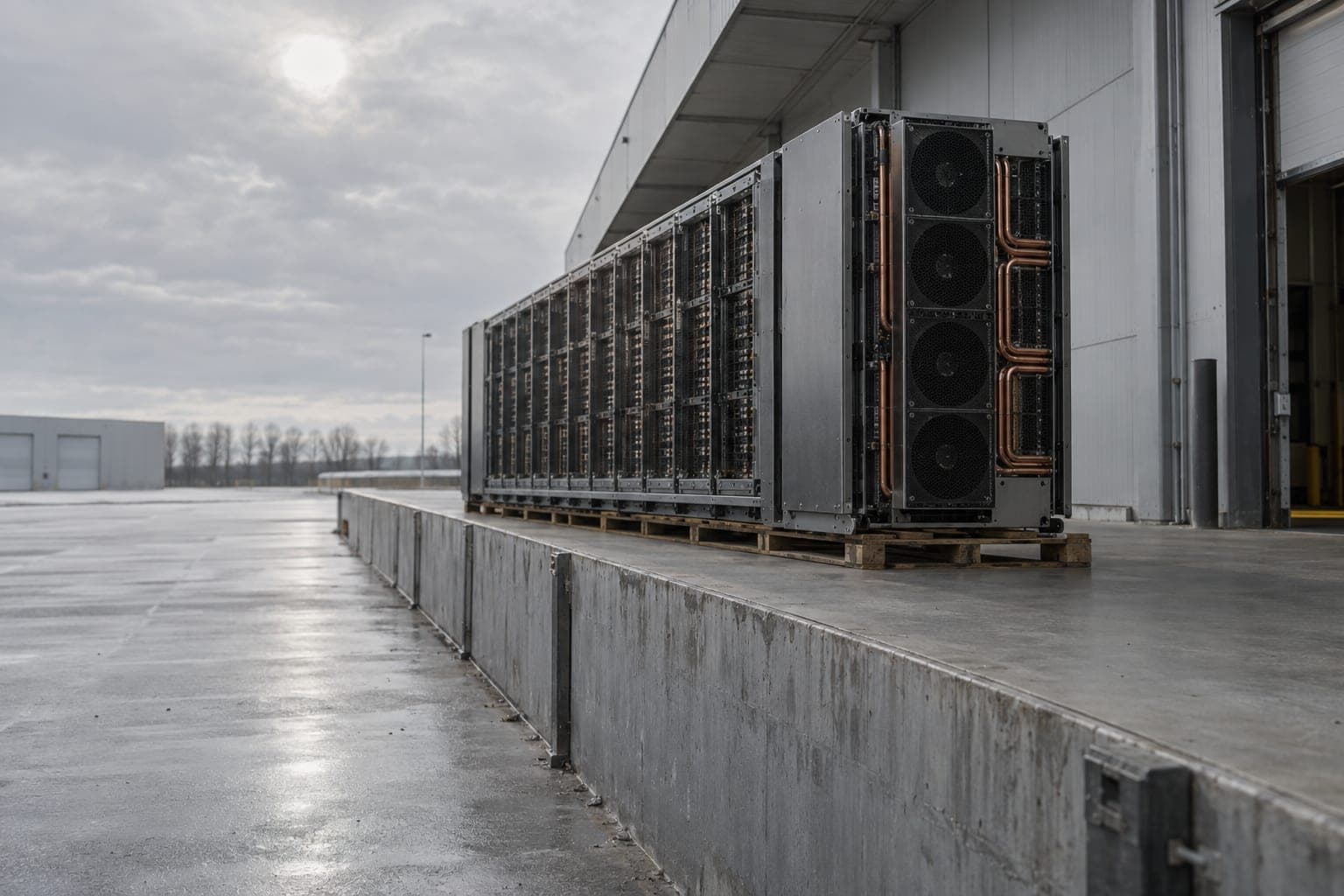
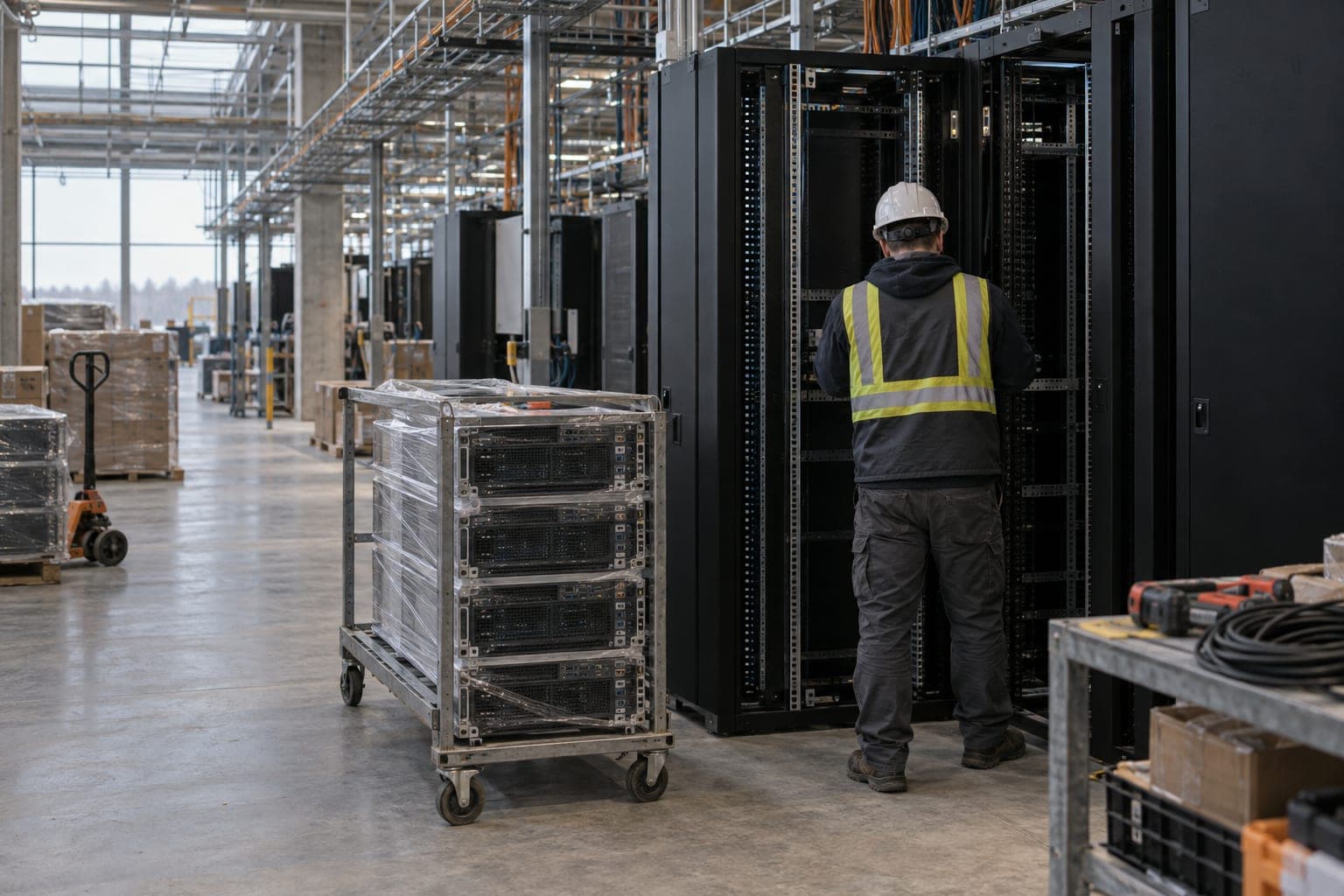
Nvidia has unveiled a closed-loop warm-water cooling system that circulates coolant through server racks before releasing heat through passive radiators. Because the system requires only an initial fill, Nvidia said facilities using the technology in suitable climates could eliminate on-site water consumption while improving energy efficiency and reducing noise.
However, researchers argue those figures overlook much of AI’s overall water footprint.
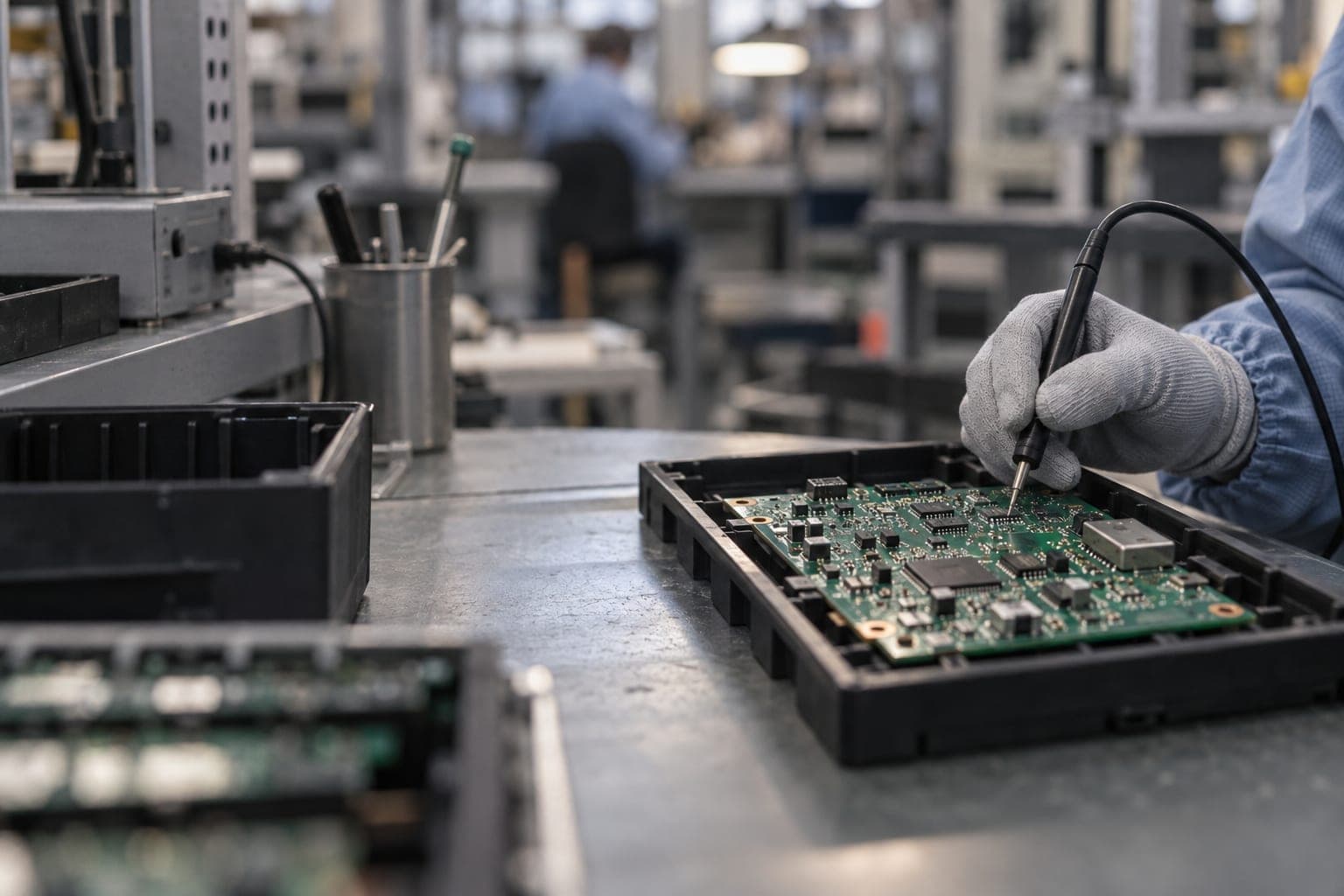
Although data centres may consume little water directly, they rely on electricity generated elsewhere. Semiconductor manufacturing, for example, requires significant water before chips ever reach server racks. Studies cited suggest electricity generation and chip production can double or even triple a facility’s total water footprint.
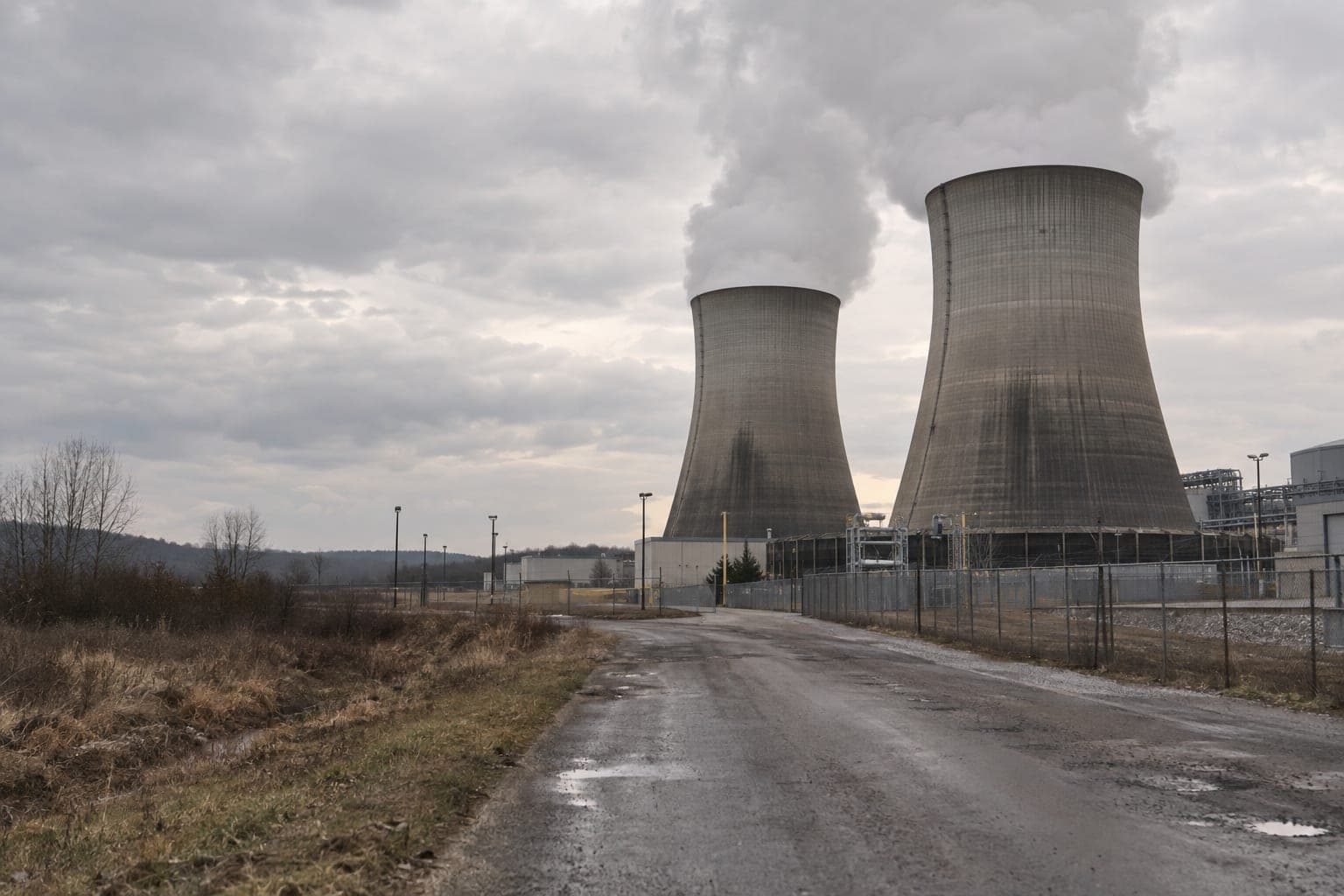
The issue is especially significant because fossil fuels still supply about half of global data centre electricity. Natural gas plants consume roughly 1.17 litres of water per kilowatt-hour generated, while coal plants use about 2.2 litres. The International Energy Agency expects both fuels to provide more than 40 per cent of new electricity generation needed to support expanding data centre demand through 2030.
The debate has also reached British Columbia.
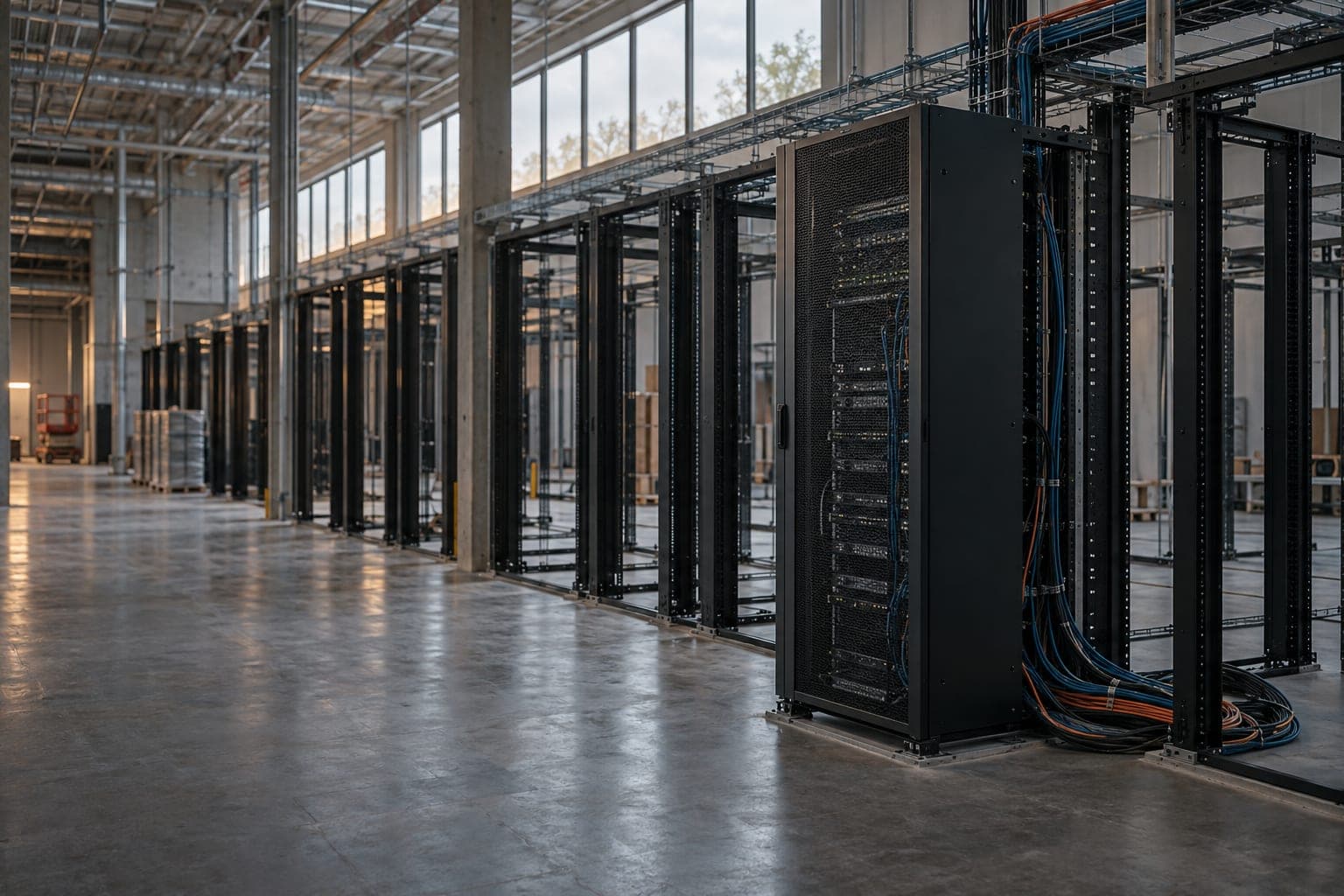
A second large-scale protest against proposed AI data centres in Vancouver is scheduled for June 27. Organizers cite concerns over energy use, water consumption, copyright, noise and land use. The demonstrations follow Telus’ announcement that it will build a sovereign AI infrastructure network capable of supporting more than 60,000 graphics processing units by 2032.
Telus said its facilities will consume 90 per cent less water than conventional data centres while delivering 80 per cent greater energy efficiency and saving an estimated 300 million litres of water annually.
Read more: A measly 16% of Americans think artificial intelligence will benefit society
Artificial Intelligence may help us live longer
Artificial intelligence is rapidly transforming healthcare by helping physicians detect disease earlier, improve diagnostic accuracy and accelerate the development of new treatments, offering the potential to improve health outcomes on a global scale.
Medical imaging has become one of AI’s most promising applications. Machine-learning systems can analyze mammograms, CT scans and chest X-rays for subtle patterns that may escape the human eye. Recent studies have shown AI can identify women at elevated risk of developing breast cancer years before a tumour becomes visible. Also, hospitals increasingly use AI-assisted radiology tools to detect lung cancer, fractures and other conditions more quickly. Rather than replacing radiologists, the technology serves as a second set of eyes. Artificial intelligence has allowed specialists to prioritize urgent cases and reduce missed diagnoses.
Further, Breath Diagnostics Inc., a startup based out of Kentucky, is developing technology that combines artificial intelligence with breath analysis to identify disease biomarkers from exhaled air. The company’s compact microreactor is designed to rapidly process breath samples, allowing AI systems to detect chemical signatures associated with conditions including cancer and other diseases. Researchers believe non-invasive testing could eventually complement traditional screening methods while enabling earlier intervention.
Artificial intelligence is also helping researchers analyze genetic data, identify potential drug targets and personalize treatments. While AI is not a substitute for physicians or clinical judgment, it is becoming a powerful medical tool. Supporters argue that detecting diseases sooner, accelerating research and improving access to healthcare could extend healthy lives and strengthen humanity’s ability to respond to future challenges, from cancer to emerging infectious diseases.