Artemis Gold begins major construction on Blackwater EP2 expansion
The company also secured supply assurances from BC Hydro that will provide enough renewable hydroelectric power for the expanded operation
 Joseph Morton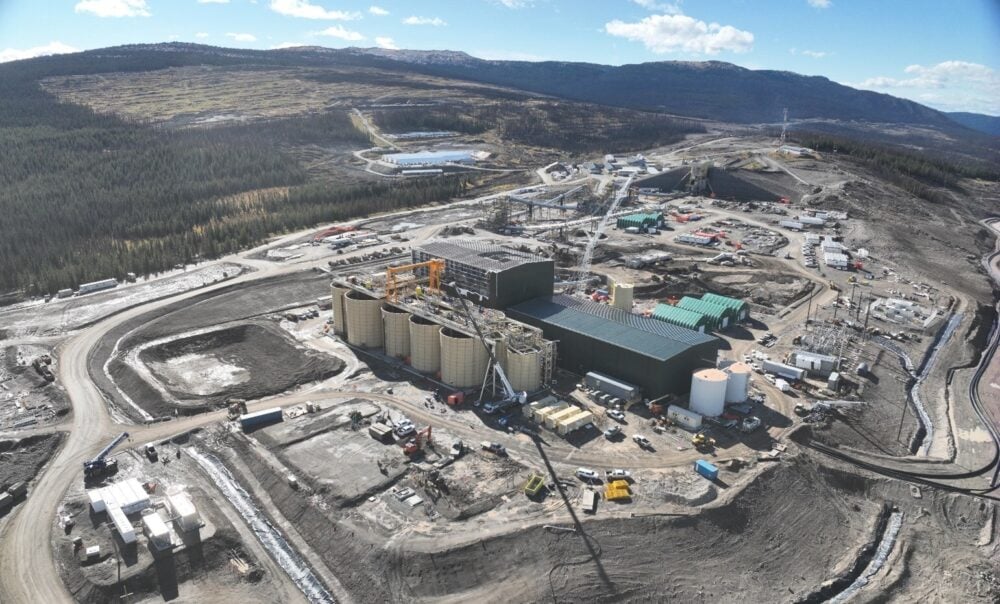
Artemis Gold Inc. (CVE: ARTG) has started major construction on the EP2 expansion at its Blackwater mine in British Columbia after completing the first concrete pour for the ball mill foundations ahead of schedule, marking another milestone in a project expected to raise annual gold production above 500,000 ounces by late 2028.
The company said early works for EP2 began in January and are nearing completion. Engineering and procurement continue to advance, while the company has ordered all long-lead equipment required for the expansion. Crews have also moved ahead of schedule with site clearing and bulk earthworks for the larger processing plant.
Additionally, Artemis expects to complete a new 612-bed construction camp in early August. The expanded camp includes a kitchen, gymnasium and recreation facilities to support the growing workforce during construction.
The company also secured supply assurances from BC Hydro that will provide enough renewable hydroelectric power for the expanded operation. That agreement ensures Blackwater can continue using low-cost electricity as processing capacity increases.
Artemis first announced EP2 during the fourth quarter of 2025 as the next major growth phase for the operation. Combined with the Phase 1A expansion, EP2 will increase processing capacity from six million tonnes per year to 21 million tonnes annually by the fourth quarter of 2028. That represents a 250 per cent increase over current throughput.
The company expects the expansion to transform Blackwater into one of Canada’s three largest single gold mines. It also forecasts the mine will become one of the world’s lowest-cost and highest-margin gold operations because higher production spreads operating costs across more ounces.
Read more: NevGold delivers major growth at Idaho gold project
Read more: NevGold launches 20,000-metre drill campaign at Nevada antimony-gold project
Expansion a major step for Blackwater
Furthermore, Artemis continues to target a capital cost of CAD$1.44 billion for the project. Management said construction remains on schedule and within budget.
The company also took steps to protect project funding if gold prices weaken. Artemis purchased put options covering 172,500 ounces of gold with a strike price of CAD$5,300 per ounce. Those contracts expire between July 2026 and June 2027 and cover more than 80 per cent of expected spot gold sales during that period.
Unlike fixed-price hedging, the options allow Artemis to benefit if gold prices continue climbing. However, they also establish a minimum selling price should the market decline sharply while the company finances construction through operating cash flow.
Chief executive officer Dale Andres described the expansion as a major step toward making Blackwater one of Canada’s largest and lowest-cost gold mines. He said the company’s options strategy reflects prudent financial planning because it protects against lower gold prices without limiting potential gains if prices rise further.
Meanwhile, president Jeremy Langford said the first half of 2026 has focused on preparing both Phase 1A and EP2 for the next stage of growth. He said the company strengthened its project delivery team while advancing bulk earthworks and completing the first major concrete pour earlier than planned.
Construction activity continues across multiple areas of the project. Artemis awarded the engineering, procurement and construction management contract to Lycopodium, which completed initial processing plant design reviews and finalized the facility layout.
Read more: NevGold pushes toward potential 2027 antimony production at Limousine Butte
Read more: NevGold reports more positive drill results as gold-antimony resource estimate nears
Artemis ordered first group of equipment
Additionally, the company commissioned its concrete batch plant, allowing crews to begin major structural work. Contractors have already completed the largest concrete placement planned for EP2 by pouring roughly 900 cubic metres into the ball mill foundation.
Workers have also poured concrete for the SAG mill blinding, while steel installation continues across the structure. Bulk earthworks remain well ahead of schedule and should finish before the end of September.
Mining fleet expansion is progressing alongside plant construction. Artemis ordered the first group of additional equipment needed to support higher mining and processing rates.
The 2026 equipment package includes one 34-cubic-metre hydraulic shovel, five 240-tonne haul trucks, four production drills and two large graders. To date, crews have assembled both graders and three haul trucks, which are already operating at the mine.
The hydraulic shovel should enter service in September. The remaining equipment will support increased material movement as mining rates accelerate ahead of higher plant capacity.
In addition, Artemis continues updating its geological resource model and optimizing the mine plan for both Phase 1A and EP2. The work will support a new mineral resource estimate, updated mineral reserves and revised production guidance expected during the first quarter of 2027.
The company is also studying opportunities beyond the current expansion plans. One option examines ways to increase processing capacity to 25 million tonnes annually by removing bottlenecks from both Phase 1A and EP2.
Engineers are also evaluating the possibility of constructing another crushing and grinding line as part of a future Phase 3 expansion. Those studies remain linked to ongoing efforts to expand mineral resources and extend the mine’s operating life.
Read more: NevGold Corp. reports antimony grades up to 53.7 per cent at Nevada project
Read more: Strategic U.S. antimony resource emerges in NevGold’s Nevada MRE
Process compared actual ore grades with geological estimates
Additionally, Artemis continues assessing alternatives for moving waste rock more efficiently. Potential options include crushing and conveying systems, electrifying haul trucks and introducing autonomous hauling technology.
Management believes those technologies could lower long-term operating costs. The first two options could also reduce greenhouse gas emissions by decreasing diesel fuel consumption across the mining fleet.
The company also reported favourable grade control reconciliation during mining. That process compares actual ore grades with previous geological estimates after material reaches the pit.
As a result, Artemis has reclassified some material originally considered waste into low-grade and medium-grade stockpiles. The company plans to process that material later in the mine’s operating life, potentially increasing total gold production without expanding the current pit.
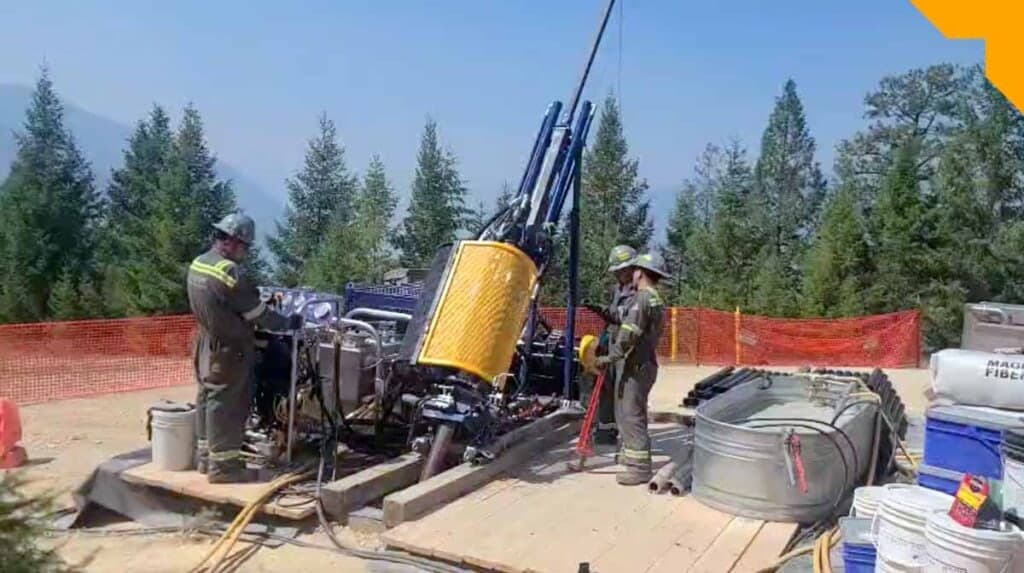
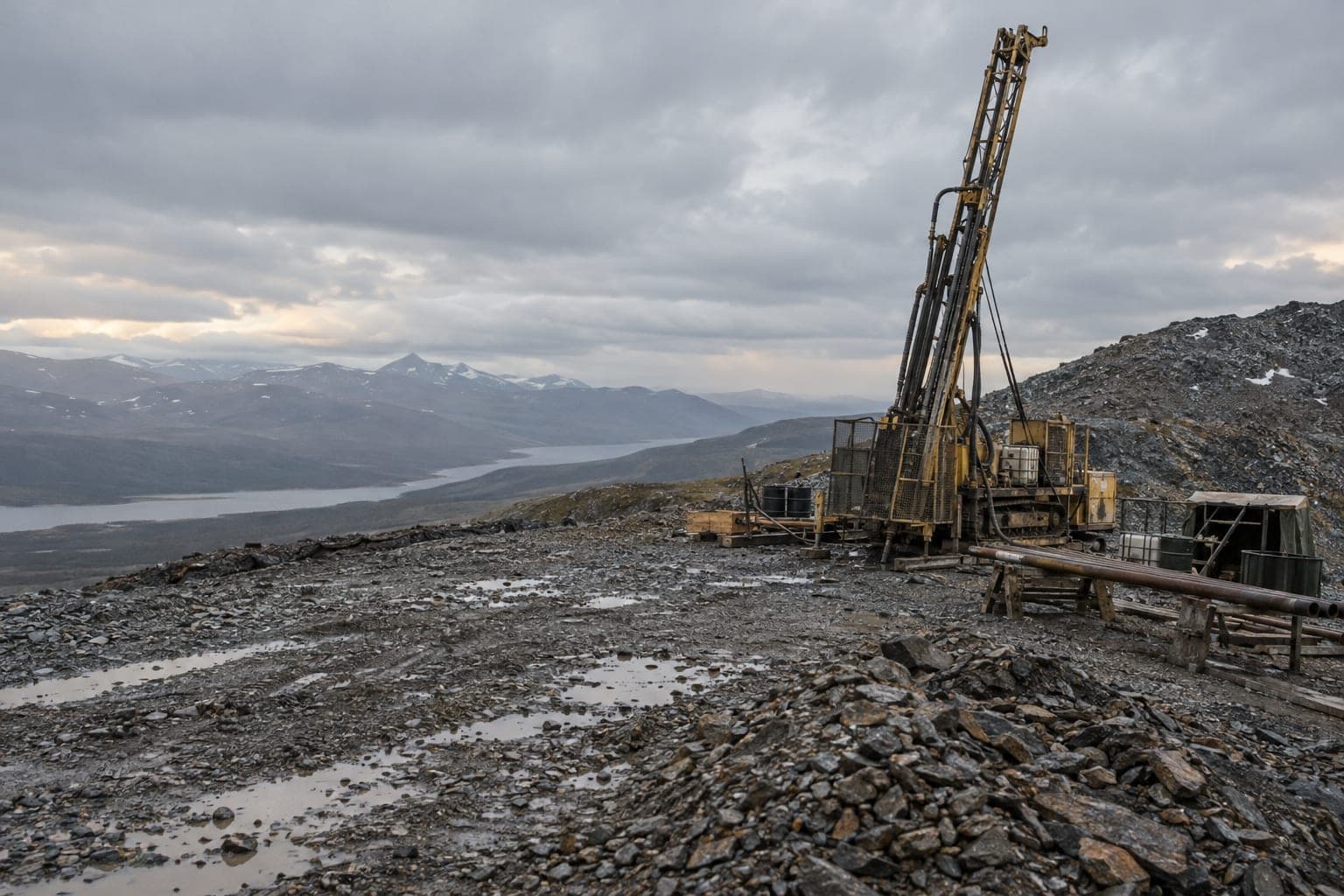
Furthermore, exploration drilling continues to test mineralization beyond the existing resource boundary. Previous drilling indicates the deposit remains open to the north, northwest and at depth.
The company plans to complete about 25,000 metres of diamond drilling during 2026. Those results may support future resource growth if drilling confirms additional mineralization.
Regional exploration has also resumed across the broader Blackwater land package following a winter and spring pause. Artemis identified more than 30 exploration targets within potential trucking distance of the existing processing plant.
Management views the regional campaign as part of a broader exploration strategy extending over the next five to 10 years. The company believes much of the surrounding property remains largely unexplored despite its geological potential.
Read more: NevGold pushes toward potential 2027 antimony production at Limousine Butte
Read more: NevGold appoints Nevada government affairs veteran Scott Bensing to board
New construction will create many jobs
Additionally, Artemis sees another opportunity to extend Blackwater’s mine life through higher gold prices. Current mineral reserve estimates use a gold price assumption of USD$1,400 per ounce for pit design and cut-off grades.
If future reserve calculations use a higher gold price, some existing mineral resources could qualify as mineable reserves. That change could extend Blackwater’s operating life without requiring major new discoveries.
Peak EP2 construction will create about 1,500 direct construction jobs, along with additional indirect employment and economic activity. The mine currently supports about 900 employees and contractors operating Phase 1. Once EP2 reaches full operation, Artemis expects Blackwater to employ about 1,200 direct workers and contractors.
.