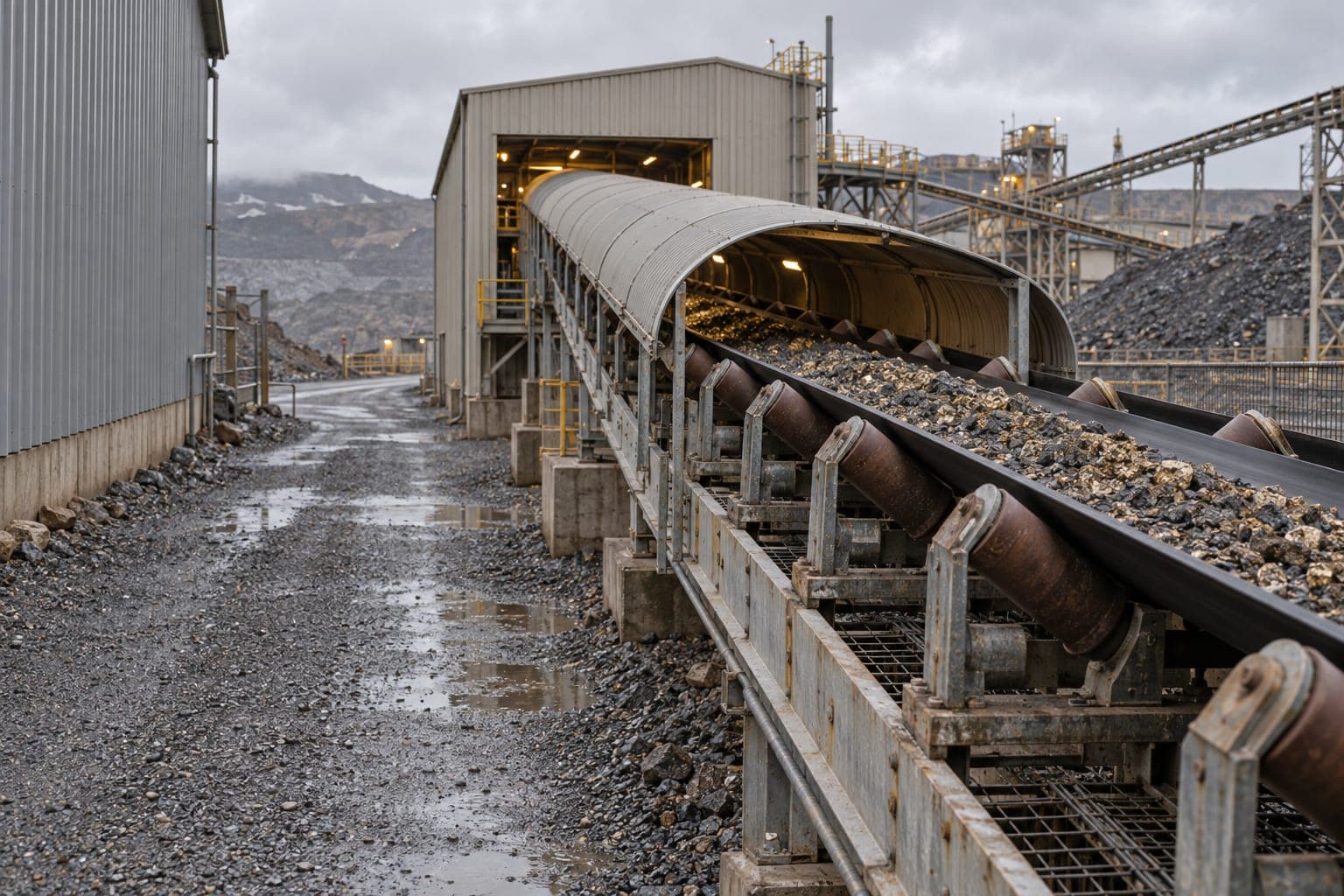
NevGold pushes toward potential 2027 antimony production at Limousine Butte
NevGold returned several notable oxide antimony and gold intercepts from the crushed leach pad
 Joseph Morton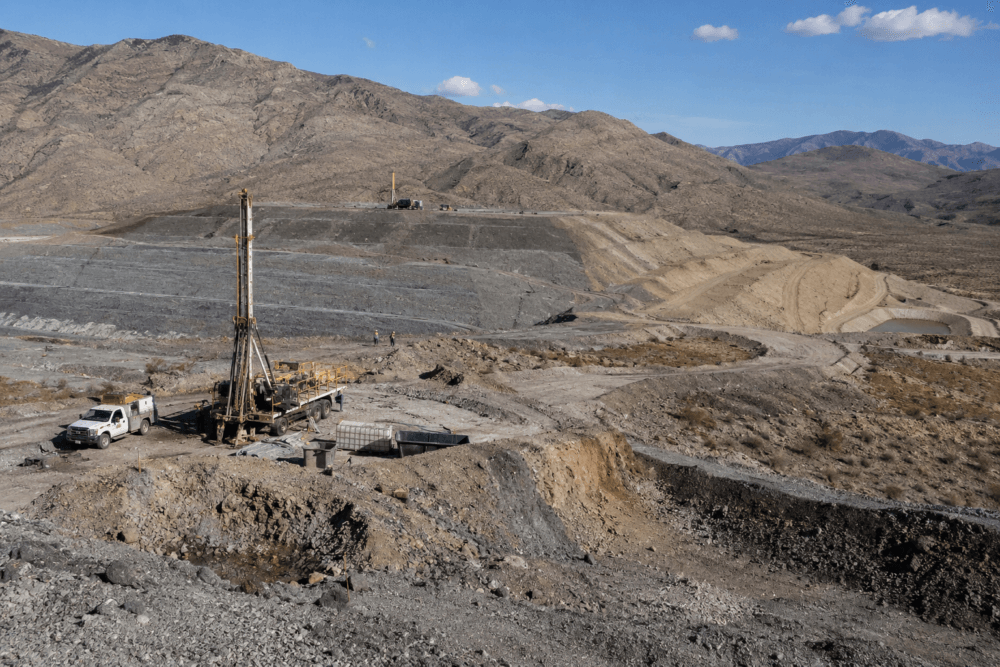
NevGold Corp CVENAU OTCMKTSNAUFF FRA5E50 reported consistent antimony and gold mineralization from every drillhole tested at the historic crushed leach pad within its Limousine Butte project in Nevada.
Released on Thursday, the results support the company’s push toward potential antimony production by 2027 from material left behind during historic gold mining operations.
The company said the historic leach pads originated from mining campaigns conducted between 1989 and 1990. However, operators at the time did not process the material for antimony because gold prices remained below USD$400 per ounce.
NevGold returned several notable oxide antimony and gold intercepts from the crushed leach pad. Additionally, drillhole LBS26-014 intersected 0.32 per cent antimony and 0.39 grams per tonne gold over 14.9 metres.
Meanwhile, drillhole LBS26-019 returned 0.30 per cent antimony and 0.37 grams per tonne gold over 16.5 metres. Further results included 0.27 per cent antimony and 0.37 grams per tonne gold over 14.0 metres from hole LBS26-016.
The company also reported 0.27 per cent antimony and 0.41 grams per tonne gold over 18.0 metres in drillhole LBS26-015. Additionally, NevGold said the lower portions of the leach pad produced elevated antimony and gold grades.
Management is now advancing a maiden antimony gold mineral resource estimate for the historic leach pads and nearby target areas. Consequently, the estimate will include Resurrection Ridge and Cadillac Valley within the broader Limousine Butte property.
The brownfield Nevada project hosts at surface oxide antimony mineralization near historic infrastructure. Additionally, the company believes those factors could support a faster path toward future production.
Read more: NevGold reports more positive drill results as gold-antimony resource estimate nears
Read more: NevGold positions Nevada project for near-term antimony output
Limo Butte emerging as important critical minerals project
NevGold described antimony as one of the highest priority critical minerals because of its military and industrial applications. Furthermore, the company said growing American interest in domestic critical mineral supply chains continues to increase attention on projects like Limousine Butte.
China currently dominates global antimony supply and processing capacity, creating growing concern among Western governments and manufacturers. Additionally, the metal plays an important role in ammunition, infrared sensors, flame retardants and certain semiconductor technologies tied to defence and energy infrastructure.
The United States has limited domestic antimony production and relies heavily on foreign supply chains. Consequently, policymakers and industry groups have increased pressure to secure new North American sources of critical minerals linked to national security.
“With consistent oxide antimony and gold in all drillholes from the crushed leach pad, Limo Butte is emerging as one of the most important critical minerals projects in the United States,” said Brandon Bonifacio, NevGold’s CEO.
“The project has a near term opportunity to play a key role in establishing a vertically integrated, domestic antimony supply chain.”
Antimony demand has also received support from the energy sector. Meanwhile, some battery technologies use antimony in lead acid systems designed for large scale grid storage and backup power applications.
Several countries have started classifying antimony as a strategic or critical mineral during the past few years. Furthermore, governments across North America and Europe continue funding domestic mining, refining and processing initiatives aimed at reducing dependence on overseas suppliers.
NevGold Corp is a sponsor of Mugglehead news coverage
.