Antimony mining activity continues heating up in Alaska
The government has taken an interest in state players Felix Gold and Nova Minerals
 Rowan Dunne
Antimony mining in Alaska keeps gathering pace as America hunts for home-grown supplies of this vital metal. The state is turning into a busy centre for efforts to cut reliance on overseas sources.
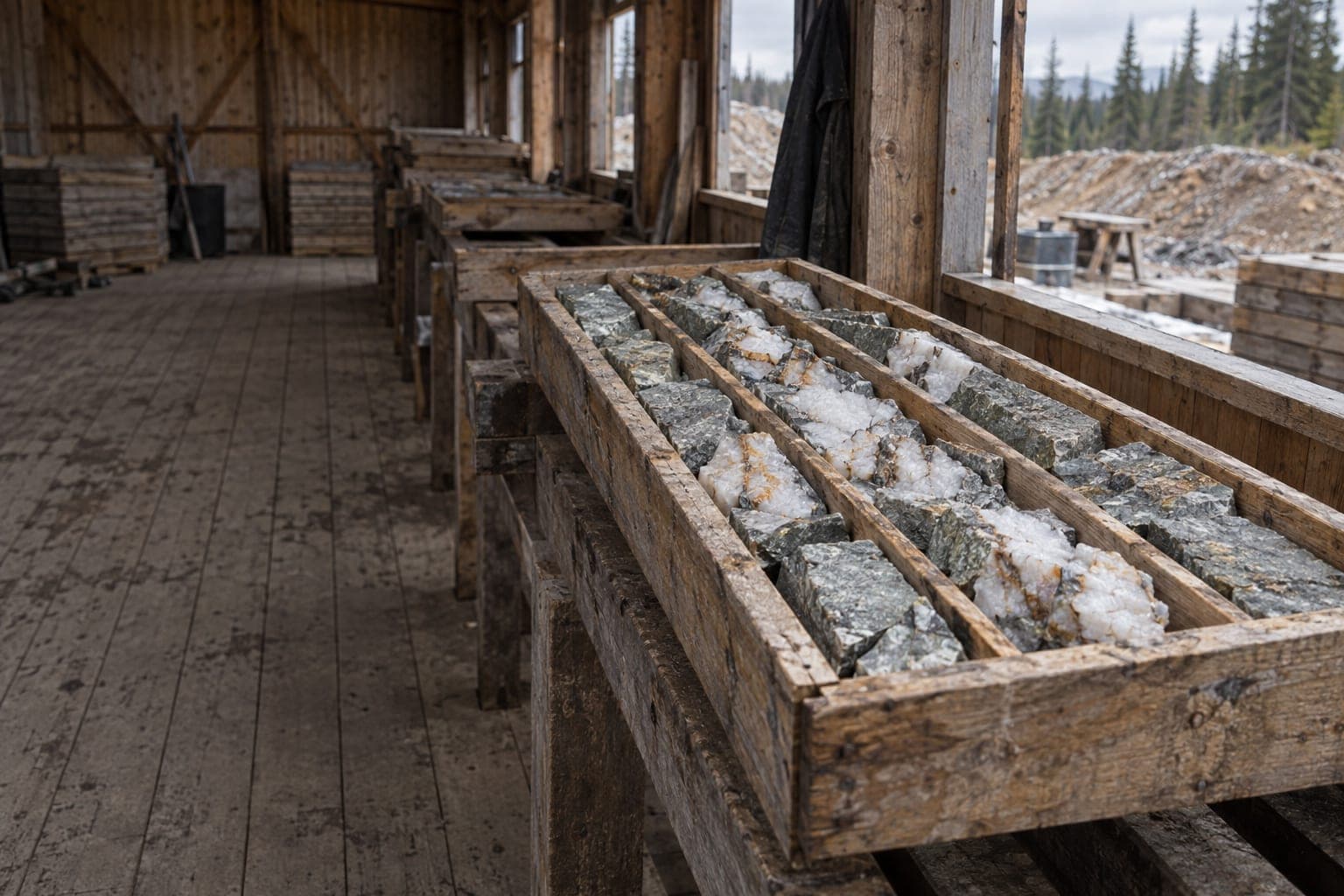
In the latest development, Felix Gold Ltd ASXFXG OTCMKTSFXGDF (FRA: W0X) just produced its first antimony metal ingot and related products from ore at its Treasure Creek project near Fairbanks. The company designed, built and ran a pilot plant that took sorted and crushed ore straight through to metal. Tests showed the final ingot held around 97 per cent antimony. This followed months of extracting and stockpiling high-grade material under a bulk sampling permit. The step proves the full process works and clears a key technical hurdle for a planned U.S. refinery.
On Aug. 24, Nova Minerals Ltd (NYSEAMERICAN: NVA) FRAQM3 ASXNVA hosted a U.S. Congressional delegation at its Estelle project in the West Susitna area. The visitors, organised by the Western Caucus Foundation, included several House representatives and staff from Alaska’s congressional offices. They toured the site by air and ground, viewing antimony prospects such as Stibium and Styx, gold zones, and the planned processing facilities at Port MacKenzie. The visit underlines growing federal interest in the project’s dual gold and antimony potential, with first antimony output targeted for 2027.
Read more: NevGold extends Nevada antimony-gold mineralization by over 100 metres
Government backing builds momentum
Both firms have secured substantial government support. Felix Gold has entered talks with the Department of Energy for up to US$18 million to advance its pilot processing facility. The funding forms part of a wider US$162 million programme.
Nova Minerals holds more than US$43 million from a Department of War award under the Defense Production Act. This money funds mine development, a pilot plant at Port MacKenzie and seeks to help build a fully integrated domestic supply chain. Plant equipment is already in transit.
Another state player of stature, United States Antimony Corp (NYSE: UAMY), has also directed part of its federal funds towards exploration and extraction work across several Alaska properties, helping build wider capacity in the state.
How the Alaska projects stack up nationally
Estelle and Treasure Creek stand out among America’s leading development-stage antimony assets. Treasure Creek offers pure high-grade ore that meets military standards straight from the ground, while Estelle pairs its antimony with one of the world’s largest undeveloped gold deposits.
On a national scale, Perpetua Resources Corp‘s TSEPPTA NASDAQPPTA Stibnite project in Idaho remains the largest known domestic reserve and is already in early construction, with production planned for 2029. NevGold Corp‘s CVENAU OTCMKTSNAUFF FRA5E50 Limousine Butte operation in Nevada also offers a practical edge through millions of tonnes of already stacked surface material from past operations, which could allow quicker processing.
Alaska’s projects match this strategic value with high-grade material, strong federal funding, and clear paths to near-term supply. Together they strengthen the push for secure domestic antimony, which continues steadily even as pricing has declined considerably.
***Read more: NevGold appoints Nevada government affairs veteran Scott Bensing to board
—————————————————————
NevGold is a sponsor of Mugglehead news coverage
—————————————————————
Follow Rowan Dunne on LinkedIn
rowan@mugglehead.com