US pours USD$500M into domestic critical minerals and battery supply chain
Seven private companies receive heavy government support
 Joseph Morton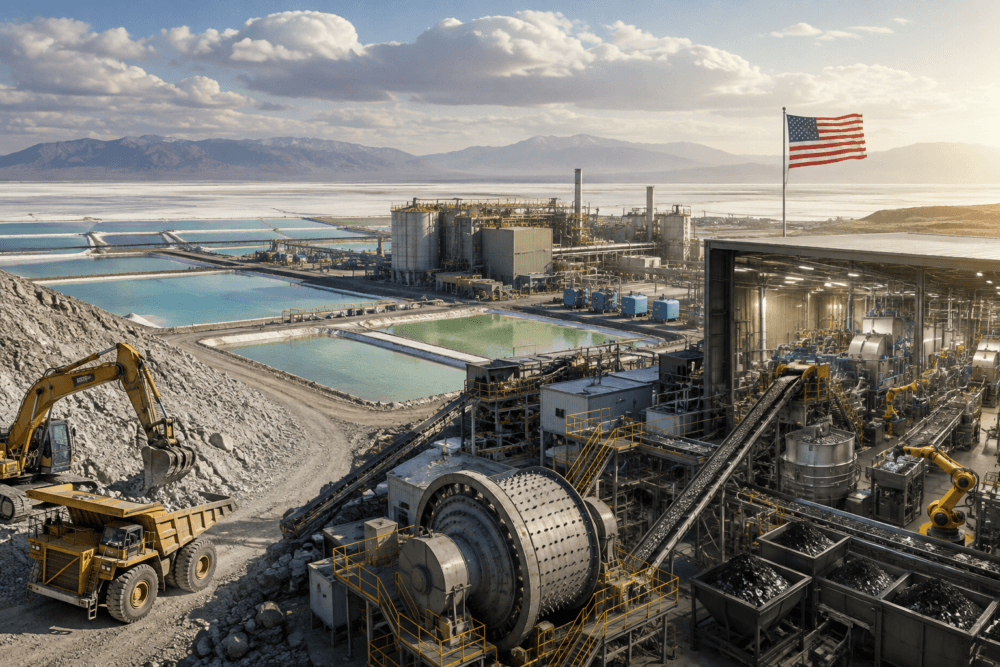
The US Department of Energy has awarded USD$500 million to seven companies developing domestic critical-minerals and battery projects.
Announced on Aug. 20, the funding targets mineral processing, battery recycling and advanced battery materials across the United States. Additionally, the awards represent the third grant round under federal battery-material processing, manufacturing and recycling programs. The department expects the projects to expand domestic capacity while reducing US reliance on foreign suppliers for strategically important materials.
The Trump administration has increasingly used grants, loans and government investments to encourage domestic mining and processing. Meanwhile, President Donald Trump has called for the United States to become the world’s leading “minerals superpower.” China currently dominates several critical-mineral supply chains that support batteries, electronics, industrial equipment and defence applications.
Assistant Energy Secretary Audrey Robertson said the department received hundreds of applications for the latest funding round. Consequently, officials selected projects they considered the most promising in priority areas of the American battery supply chain.
Privately held Lilac Solutions will receive USD$100 million for a commercial lithium extraction and refining facility at Utah’s Great Salt Lake. The company plans to use direct lithium extraction technology to produce battery-grade lithium carbonate from underground brines. Additionally, Department of Energy documents put first-phase capacity at 5,000 tonnes annually, with initial production targeted for 2028. Robertson said department scientists believe the project could become a useful domestic source of lithium carbonate.
The Jervois group will also receive USD$100 million to develop a US refinery producing battery-grade cobalt sulphate and related materials. The project would establish domestic refining capacity for cobalt, which manufacturers use in batteries, electronics and defence products.
Read more: The race beneath our feet: A Mugglehead critical minerals roundup
Read more: Resolution gains second FAST-41 designation as U.S. speeds critical minerals permitting
Nth Cycle will receive USD$100M for processing facility
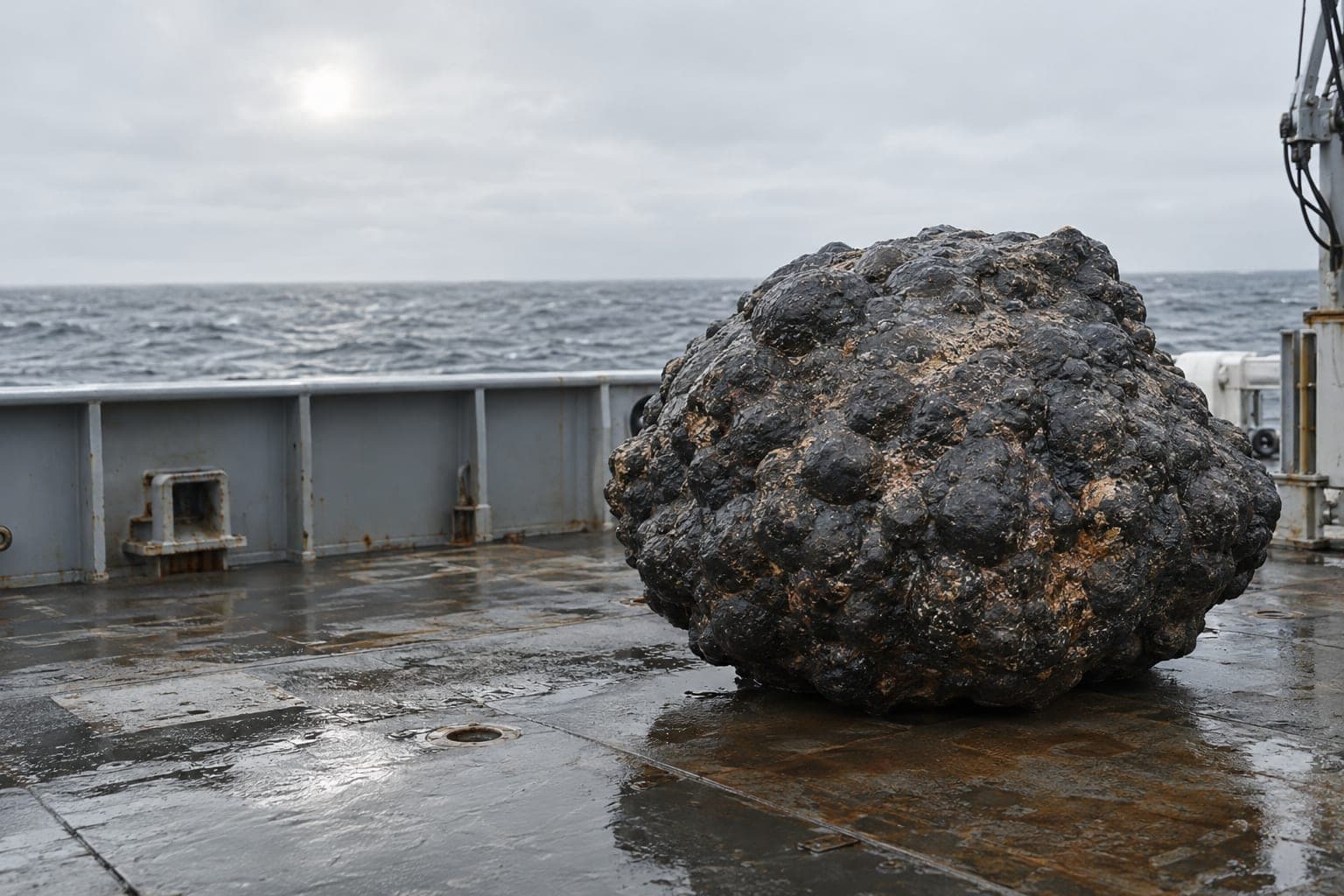
However, weak cobalt markets have pressured producers, and Jervois went private in 2025 following a pre-packaged bankruptcy restructuring. Robertson said the metal remains strategically important and suggested the refinery could eventually process cobalt recovered from deep-sea nodules.
Battery recycler Nth Cycle will receive USD$100 million for a processing facility in the southeastern United States. The facility will process black mass recovered from spent lithium-ion batteries and manufacturing scrap. In addition, Nth Cycle plans to use electro-extraction technology to produce high-purity metals and battery-grade materials. The award follows the administration’s recent decision to block exports of black mass from the United States.
Robertson said the grant was not connected to the export restriction. However, she said the United States needs to build a domestic system for recycling and processing used battery materials.
Four other companies will each receive USD$50 million for projects spanning cathodes, silicon anodes, electrolytes and lithium metal. Princeton NuEnergy plans a Georgia demonstration facility that will recover and rejuvenate nickel-containing cathode material from battery manufacturing scrap. Additionally, the company will use a low-temperature plasma process designed to restore material for reuse rather than simply recover individual metals.
Coreshell Technologies will establish US manufacturing capacity for silicon-anode lithium-ion electrodes and cells using domestically sourced metallurgical silicon. The project aims to replace imported graphite while combining Coreshell’s silicon-anode technology with dry-coated cathodes for domestic battery production. Furthermore, the department expects the approach to lower costs, improve battery safety and expand American use of metallurgical silicon.
Read more: U.S. backs Madagascar rare earth project as critical minerals strategy expands
Read more: Hedge funds ramp up bets against U.S. critical minerals stocks despite Trump spending
New grants add roughly USD$40B in government support
Arcanum Ventures will develop a Gulf Coast facility producing battery-grade ethylene carbonate, an important component in lithium-ion battery electrolytes. Meanwhile, Elevated Materials will receive USD$50 million for a facility producing ultra-thin lithium-metal films and pre-lithiated battery materials. Those materials target higher-energy batteries that can also support faster charging.
The new grants add to roughly USD$40 billion in provisional US government support for mineral projects since 2022. That broader support includes grants, loans, equity investments and other measures intended to strengthen domestic supply chains. In addition, the Energy Department said its first two funding rounds awarded USD$1.82 billion to 14 projects. Those earlier projects covered lithium, graphite, battery components and recycled materials.
.