Primary Hydrogen starts 1,500‑metre rare-earth drilling at Wicheeda North
The maiden program will test soil anomalies in about seven holes, with drilling expected to finish in roughly four weeks.
 Theo Marchetti
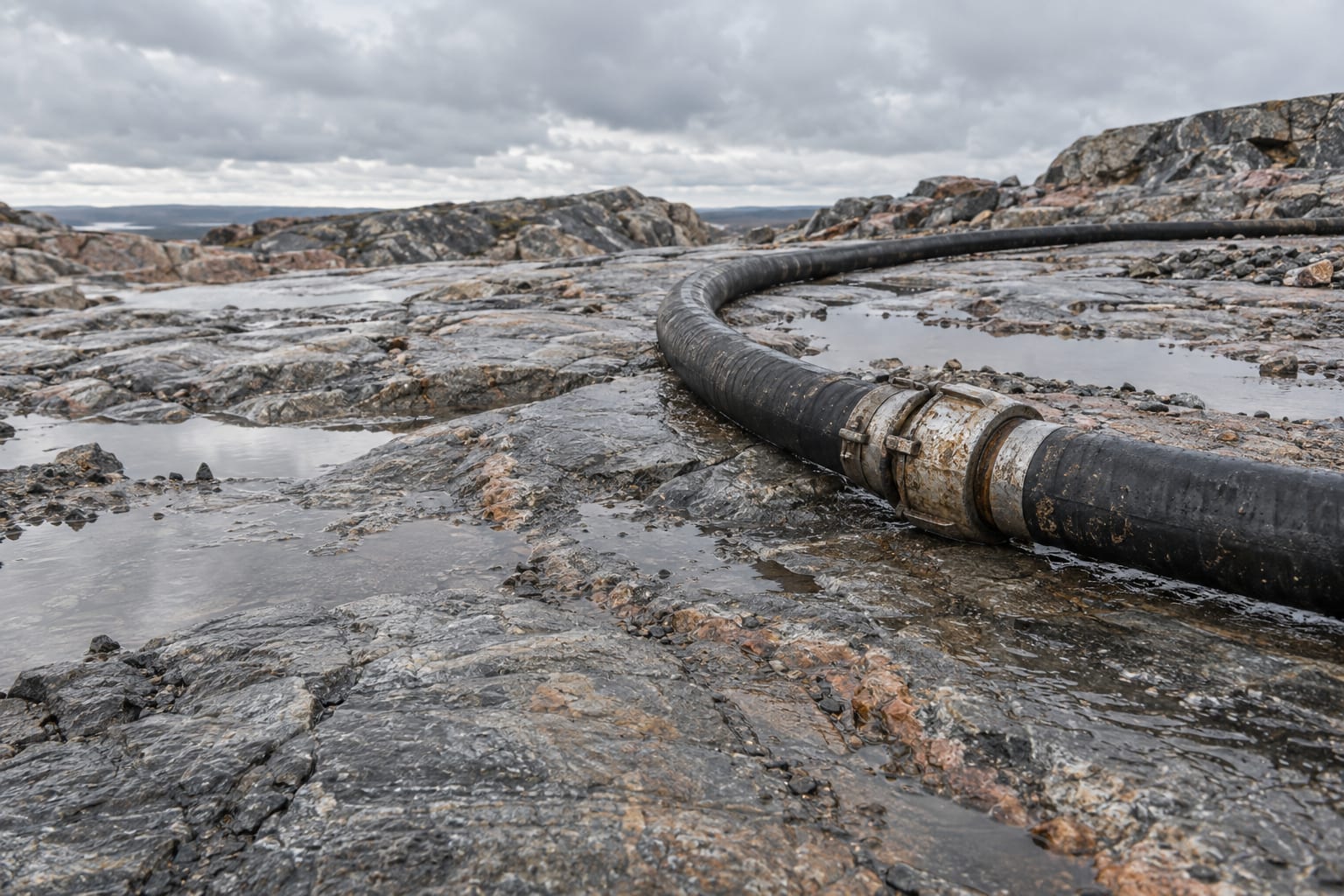
TSX Venture-listed Primary Hydrogen Corp. CVEHDRO OTCMKTSHNATF FRA83W said on Tuesday it had begun approximately 1,500 metres of maiden rare-earth drilling at Wicheeda North in British Columbia. About seven holes will test a northwest-trending anomaly outlined by 1,131 soil samples collected in 2026.
The company's Nov. 3 announcement confirms the first drilling in the property's history, following surface sampling and a September airborne survey. Drilling is expected to take about four weeks, with results reported after assays have been received and interpreted. The company gave no fixed assay release date.
Google Finance quoted Primary's TSX Venture shares CVEHDRO at C$0.95 as of 4 p.m. EST on Nov. 2, before the drilling announcement.
Primary described the exploration program as fully funded and permitted on Aug. 10. It said previous critical-mineral flow-through financing proceeds remained in treasury to cover the work, including approximately 1,500 metres of drilling, without additional financing.
"These are the first holes in the property's history, and we expect to finish within about four weeks," chief executive David Jackson said in the Nov. 3 release.
Primary is a natural-hydrogen explorer with an option to acquire a 75 per cent interest in Wicheeda North. The Aug. 10 announcement described the property as nine contiguous mineral claims covering 2,138 hectares in British Columbia's northern Cariboo Mining Division.
Soil Anomalies Guide The First Holes
The Nov. 3 release reports 1,131 soil samples collected in two phases during 2026. Those samples measure elements in soil above bedrock and guide target selection; they do not establish rare-earth grades in the underlying rock.
The first phase returned 11 samples above 300 parts per million total rare earth elements plus yttrium. The results outlined a northwest-southeast trend across the north-central sampling grid.
The second phase returned 37 samples above that threshold. Its highest reading was a single eastern-grid sample containing 932.21 parts per million, compared with the next highest result of 459.9 parts per million.
The southwestern grid accounted for 24 of the second phase's samples above the threshold. Primary is evaluating that area for a subsequent drill program.
The September airborne survey helped refine the targets by measuring natural radiation, including thorium, which can accompany rare earths in carbonatite rocks. Primary interprets the soil anomaly as a target for carbonatite-hosted mineralization beneath glacial cover.
The planned holes point northeast across the soil trend, although locations and orientations may change as drilling proceeds. Samples will be submitted for assaying in North Vancouver.
Read more: Canamera Energy Metals starts 1,500-metre Schryburt Lake drill program
Primary's Aug. 10 release said its five-year Mines Act permit authorizes up to 70 drill sites and successive programs through 2030 without another Notice of Work application. The immediate milestone is completion of the maiden program within about four weeks of the Nov. 3 update, followed by assays testing the soil-based targets.