Brazilian Rare Earths reports 6 metres at 13.2 per cent rare earth oxides at Pelé
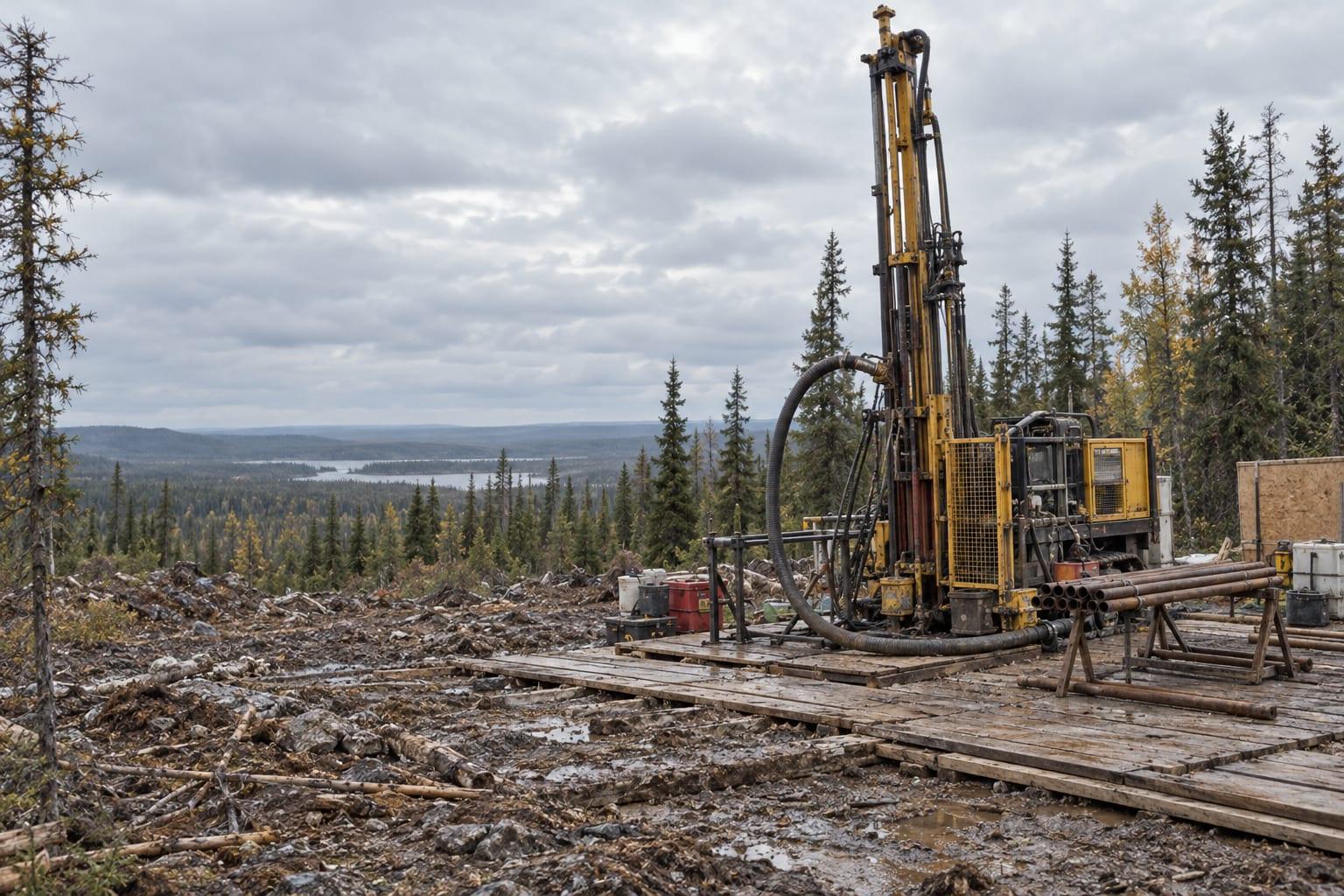
Diamond drilling is underway beneath shallow auger intersections along a discovery corridor extending more than 2.5 kilometres in Bahia, Brazil.
 Theo Marchetti
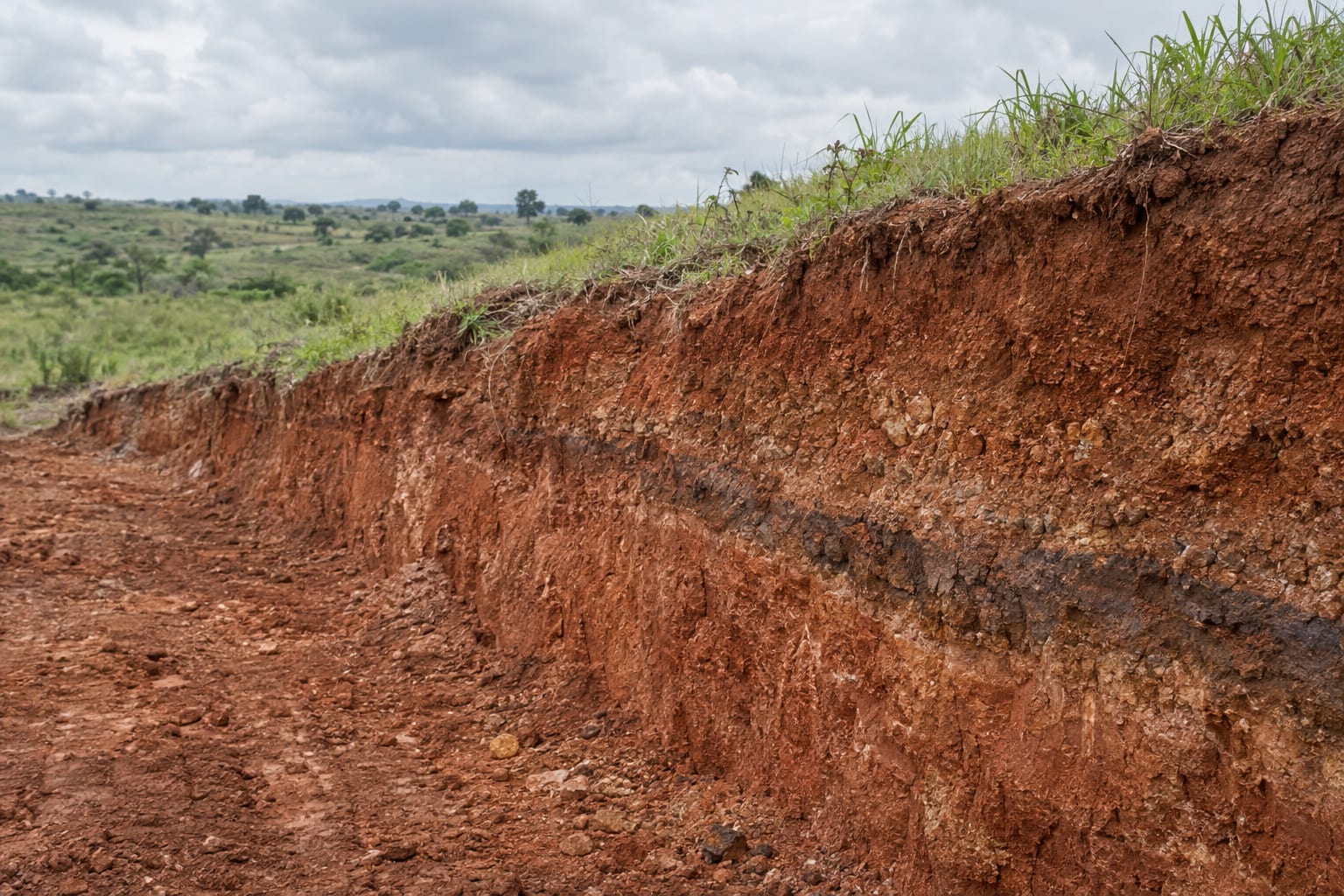
Brazilian Rare Earths Limited ASXBRE OTCMKTSBRELY OTCMKTSBRETF, listed on the Australian Securities Exchange, reported 6 metres at 13.2 per cent total rare earth oxides from surface at Brazil's Pelé South on Wednesday. The discovery gives the explorer new drilling targets along a corridor exceeding 2.5 kilometres, roughly 50 kilometres south of its Monte Alto deposit in Bahia.
Shares were higher at A$1.77 on the Australian Securities Exchange as of 4:10 p.m. AEDT on Nov. 18, according to Google Finance's ASXBRE page.
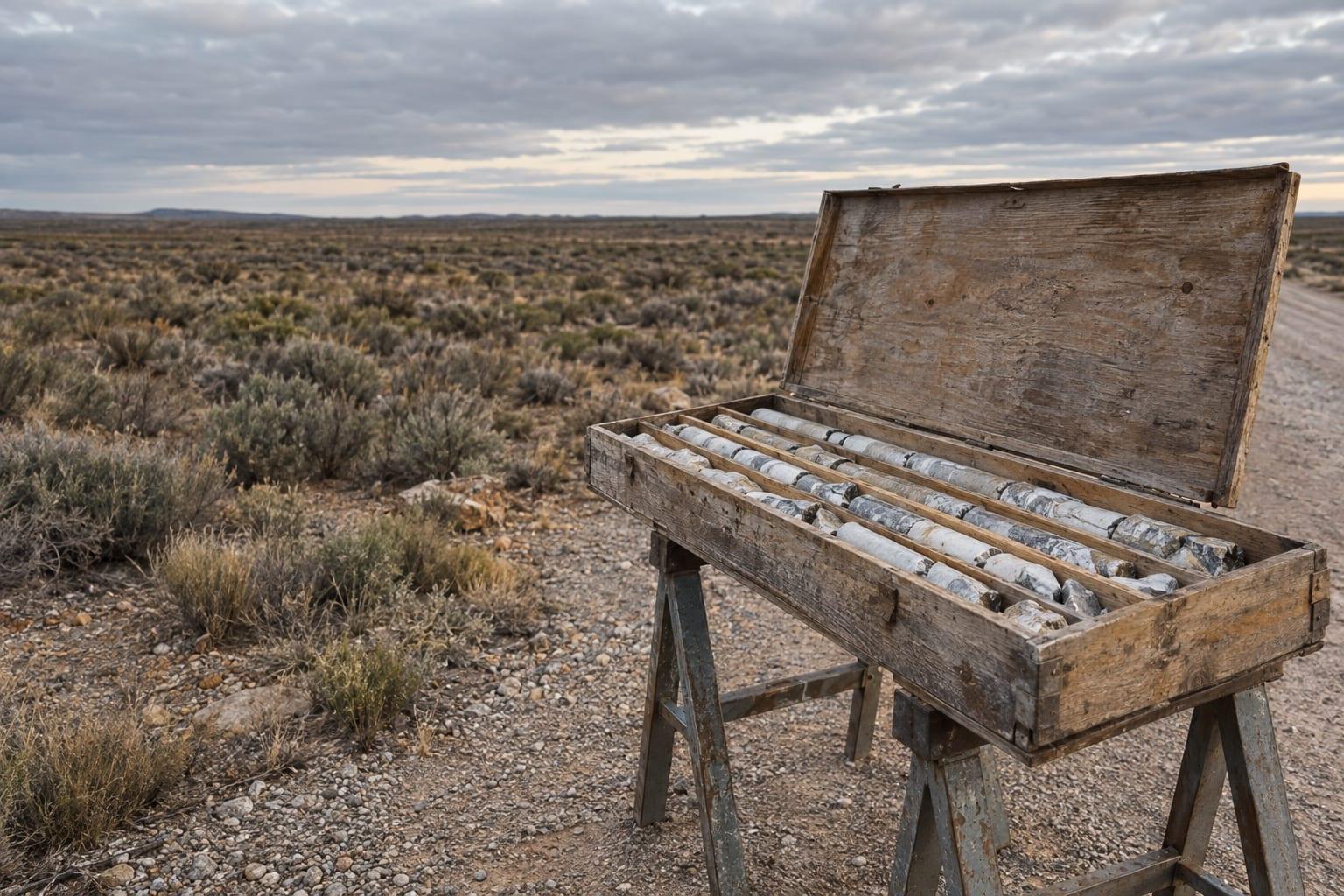
Brazilian Rare Earths says its diamond rigs are investigating whether mineralisation continues down dip, with bedrock grade and true thickness also to be assessed. The holes are inclined to reach below two types of target: auger zones above 10 per cent total rare earth oxides, or TREO, and the strongest radiometric responses.
Brazilian Rare Earths is developing deposits in its Rocha da Rocha province around a proposed central processing hub. Its September quarterly report showed A$122 million cash and no borrowings at Sept. 30.
Auger Holes Ended In Mineralisation
The highest-grade auger hole, STU2909, included 4 metres at 16.6 per cent TREO. That higher-grade section began 2 metres below surface, and the hole ended in mineralisation.
Other auger results included 12 metres at 10.0 per cent TREO from surface in hole STU2831. Equipment limits determined the stopping depth for most high-grade auger holes in the southern discovery zone, the company said. It reported mineralisation at the bottom of those holes.
Establishing the true thickness of individual mineralised zones will require more geological assessment, Brazilian Rare Earths said. It treats vertical auger lengths as an approximation of vertical thickness because it interprets the weathered layers as lying roughly flat.
The length-weighted average of significant Pelé South intercepts was 5.0 per cent TREO, more than twice the comparable shallow auger results at Monte Alto, the company said. That figure averages significant drilling intervals rather than an entire deposit.
"We are now focused on delineating the extent and continuity of the high-grade near-surface mineralisation and drilling for potential high-grade hard-rock mineralisation beneath it," chief executive and managing director Bernardo da Veiga said in the announcement.
The drilling followed a ground gamma-ray survey with more than 5,500 measurement stations across approximately 1.6 square kilometres. The survey outlined an anomaly longer than 850 metres and up to 50 metres wide.
Processing Work Advances Alongside Exploration
Brazilian Rare Earths says Pelé could provide additional feed options for its planned refinery hub. That remains an exploration opportunity while the company tests the shallow mineralisation and the bedrock beneath it.
In Western Australia, Victory Metals Limited ASXVTM said on Nov. 11 it signed a material transfer agreement with Curtin University for pilot processing of heavy rare earth concentrate into mixed rare earth carbonate. The agreement covers transfers of concentrate and process materials during 2026 and 2027.
Read more: Victory Metals signs Curtin agreement for pilot rare earth processing
Brazilian Rare Earths' diamond drilling will test whether the shallow Pelé discovery continues into high-grade bedrock. Its September report schedules second-stage hydrometallurgical pilot commissioning for the second quarter of 2027.