Group Eleven Resources reports 94% higher Ballywire germanium assays
A switch to sodium peroxide fusion lifted results from 110 retested samples, with the peak grade coming from a 0.33-metre core interval.
 Theo Marchetti
Group Eleven Resources Corp. CVEZNG OTCMKTSGRLVF FRA3GE, listed on the TSX Venture Exchange, reported Ballywire germanium assays averaging 94 per cent higher on Tuesday. Individual values reached 155 grams per tonne, expanding the germanium data available for evaluating the Irish zinc discovery.
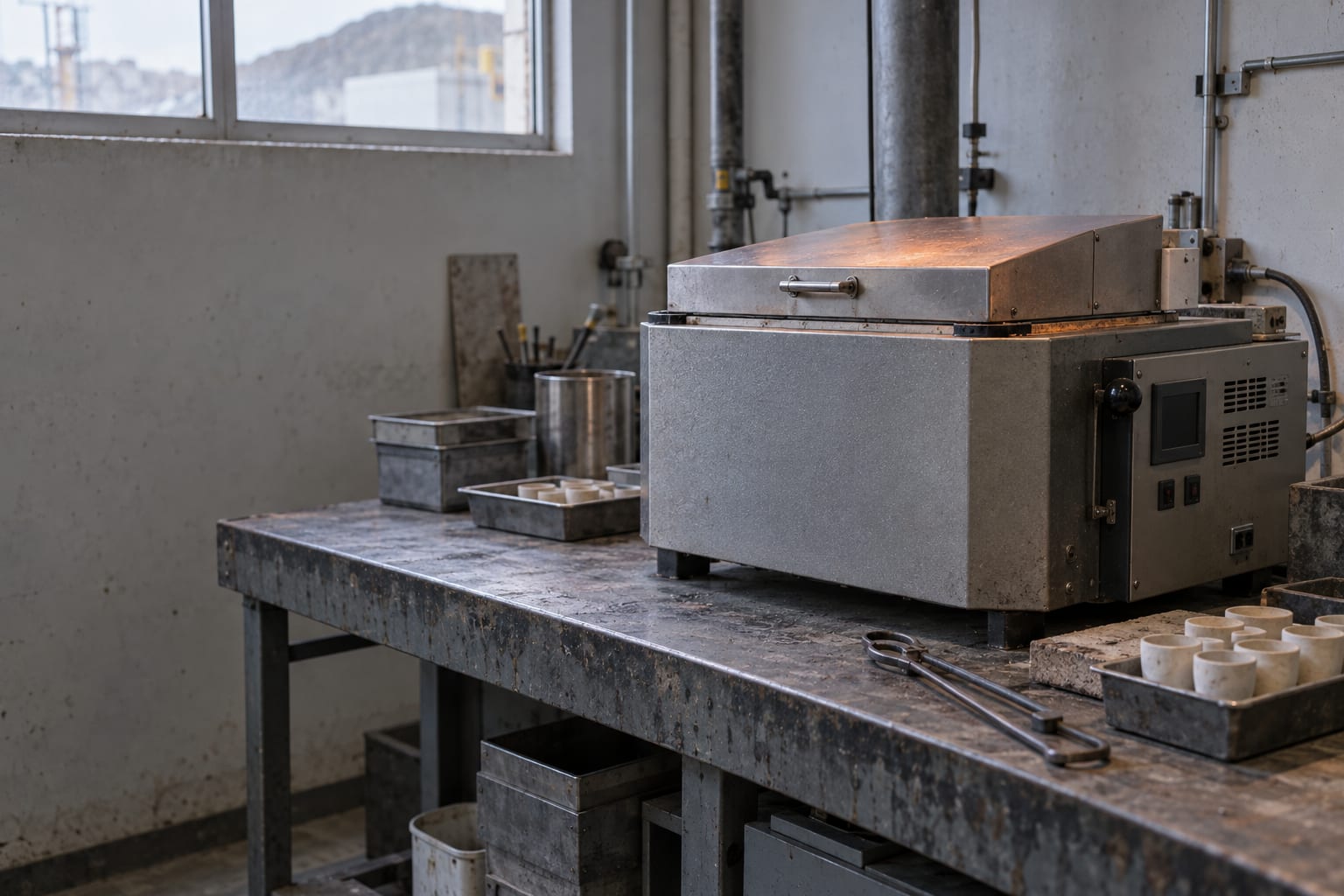
The Nov. 10 results cover 110 previously tested core samples analysed again using sodium peroxide fusion instead of lithium borate fusion. Group Eleven said the change improves sample digestion and reduces germanium losses through volatilization during analysis.
Ballywire forms part of the company's wholly owned PG West project in Ireland. Group Eleven said four rigs remained active, with a drilling campaign totalling more than 67,000 metres fully funded.
Before the announcement, shares closed at C$0.71 on the TSX Venture Exchange, up 5.97 per cent, according to CVEZNG as of Nov. 9 at 4 p.m. EST. That close predates the revised assays.
Peak Grade Comes From A Short Core Interval
The 94 per cent average increase applies to the newly re-analysed batch. It follows revised results from 220 samples across five holes announced on Sept. 17; the company had originally submitted 330 core samples for germanium analysis.
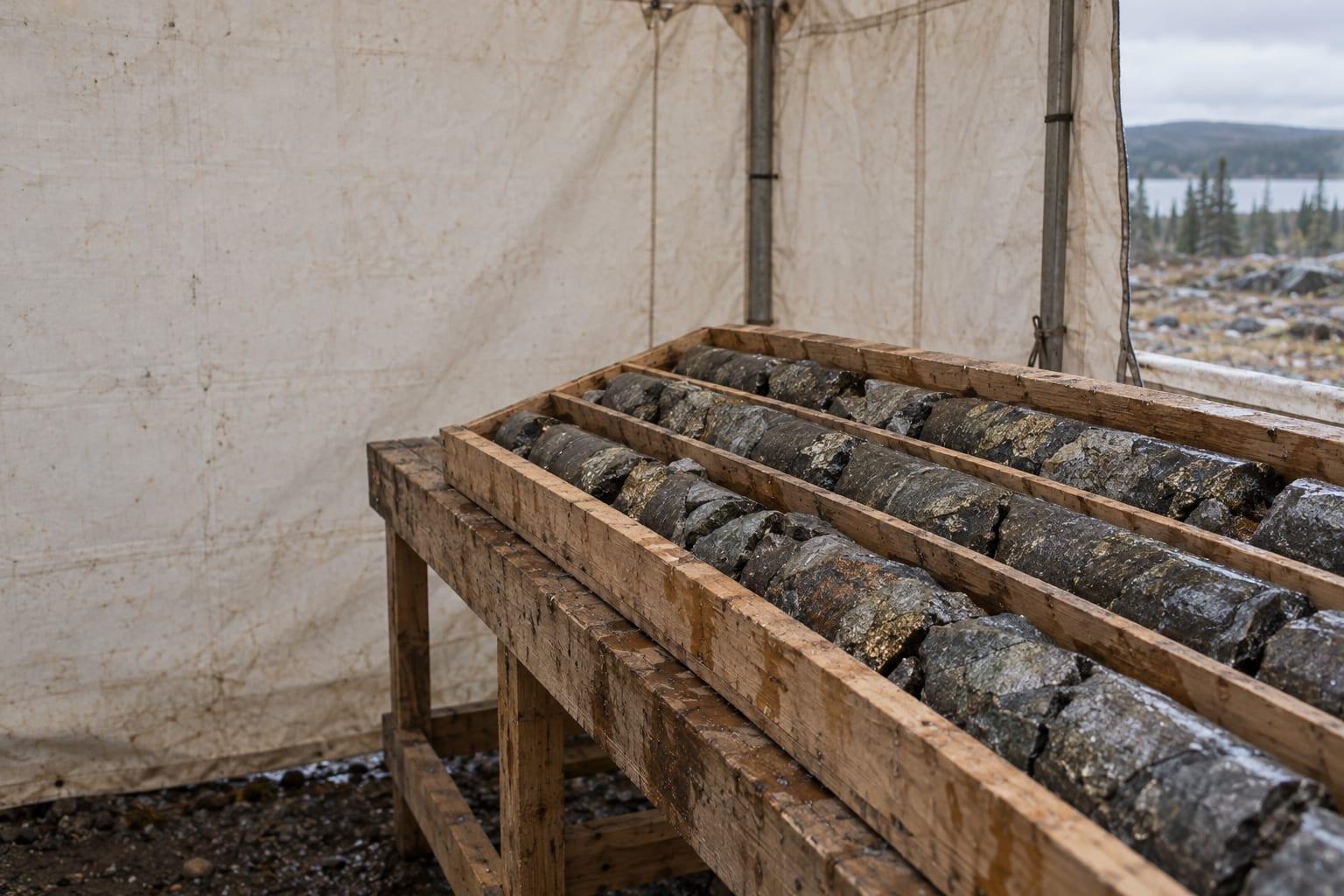
The peak sample came from hole G11-3552-17. The Nov. 10 assay table puts its grade at 154.5 grams per tonne across 0.33 metres. The sample starts at a downhole depth of 167.78 metres and previously assayed 66.1 grams per tonne. The reported lengths are core intervals.
Hole G11-3552-19 yielded a wider interval of 8.69 metres. Its germanium grade rose to 42.9 grams per tonne from 15.3 grams per tonne. The interval also contains 23.86 per cent combined zinc and lead.
Another interval comes from hole G11-468-03. The company's rounded highlights show 93 grams per tonne germanium over 2.1 metres. That interval contains 40.8 per cent combined zinc and lead, with the revised germanium grade up from 48 grams per tonne.
"Today's results represent more accurate and significantly improved germanium grades at Ballywire, reinforcing one of the discovery's key value drivers," chief executive Bart Jaworski said in the release.
Assays And Recovery Measure Different Things
The revised measurements describe germanium concentrations in existing samples. They do not establish a corresponding increase in mineable tonnes, recoverable germanium or project value.
Group Eleven's Nov. 10 release describes germanium as a semiconductor used in fibre optics and AI infrastructure. It puts the price outside China at about US$235 an ounce, a company-reported market indication rather than a selling price secured by Ballywire.
Fireweed Metals Corp. CVEFWZ OTCMKTSFWEDF provides a separate zinc-project comparison. In an Oct. 18, 2024 release, it reported germanium as a by-product element within its Macpass mineral resource estimate, with indicated material averaging 10.98 grams per tonne.
The Macpass resource average and Ballywire's selected core intervals measure different populations and cannot establish relative project economics.
Read more: Critical One Energy reports Micon antimony target and extends Howells Lake
Group Eleven's next operating work is the continuing Ballywire drilling campaign. A date for a maiden resource estimate or germanium recovery results could not be verified from the material reviewed.