Lung cancer screening awareness remains low despite advances in early detection
The 2026 Lung Health Barometer found only 33 per cent of adults knew low-dose CT screening is available for high-risk people
 Joseph Morton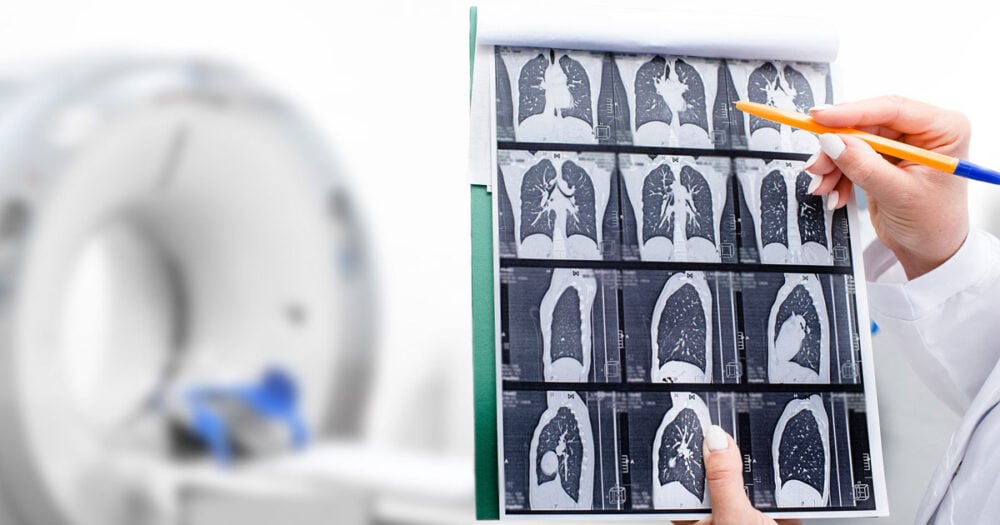
Public awareness of lung cancer screening remains low in the United States despite advances that can detect the disease earlier, according to new survey findings from the American Lung Association. The results suggest many adults still lack basic knowledge about screening and risk, even though the disease remains the country’s leading cause of cancer deaths.
The American Lung Association released the findings ahead of World Lung Cancer Day on Aug. 1. The biannual survey included a nationally representative sample of 4,000 adults across the United States.
The organization’s 2026 Lung Health Barometer found only 33 per cent of adults knew low-dose CT screening is available for high-risk people. Additionally, 76 per cent said they had never discussed their lung cancer risk with a healthcare provider.
Breath Diagnostics Chief Executive Officer Ivan Lo said lung cancer screening compliance remains far lower than other major cancers. He said only 6 per cent of eligible people undergo screening, compared with 65 to 85 per cent for other leading cancers, even though lung cancer causes more deaths than the top four cancers combined in Canada and the United States.
The current standard relies on low-dose CT scans, which use less radiation than conventional CT imaging but still expose patients to about 20 times more radiation than a standard X-ray.
Furthermore, limited awareness, access barriers, cost and concerns about overdiagnosis reduce participation. False-positive results are also common, with about 40 per cent of high-risk patients showing suspicious findings even though only about 2 per cent actually have lung cancer.
Read more: Breath Diagnostics advances pre-op pneumonia screening with FDA breakthrough designation
Read more: Four tech startups turning to Regulation Crowdfunding: A Mugglehead roundup
Healthcare providers still face challenges
However, only 28 per cent of respondents identified lung cancer as the leading cause of cancer deaths in the United States. The findings suggest many Americans remain unfamiliar with the disease’s overall impact.
Researchers also found widespread misconceptions about women and lung cancer. Only 8 per cent believed lung cancer ranks among the cancers most likely to affect women.
Meanwhile, 32 per cent associated lung cancer with men. In reality, it remains the leading cause of cancer deaths for both sexes. The difference suggests many people still view the disease as primarily affecting men.
Association President and Chief Executive Officer Harold Wimmer said public education still has considerable ground to cover. He said better awareness of screening could help more people receive earlier diagnoses, when treatment is often more effective.
The survey also measured attitudes toward recent medical progress. Seventy per cent of respondents said outcomes for people with lung cancer have improved during the past decade.
Additionally, only 36 per cent expressed concern that they might eventually develop lung cancer. Researchers said that the relatively low level of concern may discourage discussions about personal risk and screening eligibility.
Wimmer said healthcare providers and public health organizations still face challenges explaining who qualifies for screening. He added that conversations about risk factors could encourage more eligible adults to consider screening before symptoms develop.
The survey also suggests many people remain unaware that screening recommendations have expanded. Consequently, eligible adults may never ask their doctors whether they qualify for a low-dose CT scan.
The American Lung Association conducts the Lung Health Barometer every two years. In addition, it uses the findings to guide education campaigns on prevention, screening and treatment.
.
Follow Joseph Morton on Twitter
joseph@mugglehead.com