A measly 16% of Americans think artificial intelligence will benefit society
Pew Research Center also says that two thirds of U.S. adults think AI is moving too quickly
 Rowan Dunne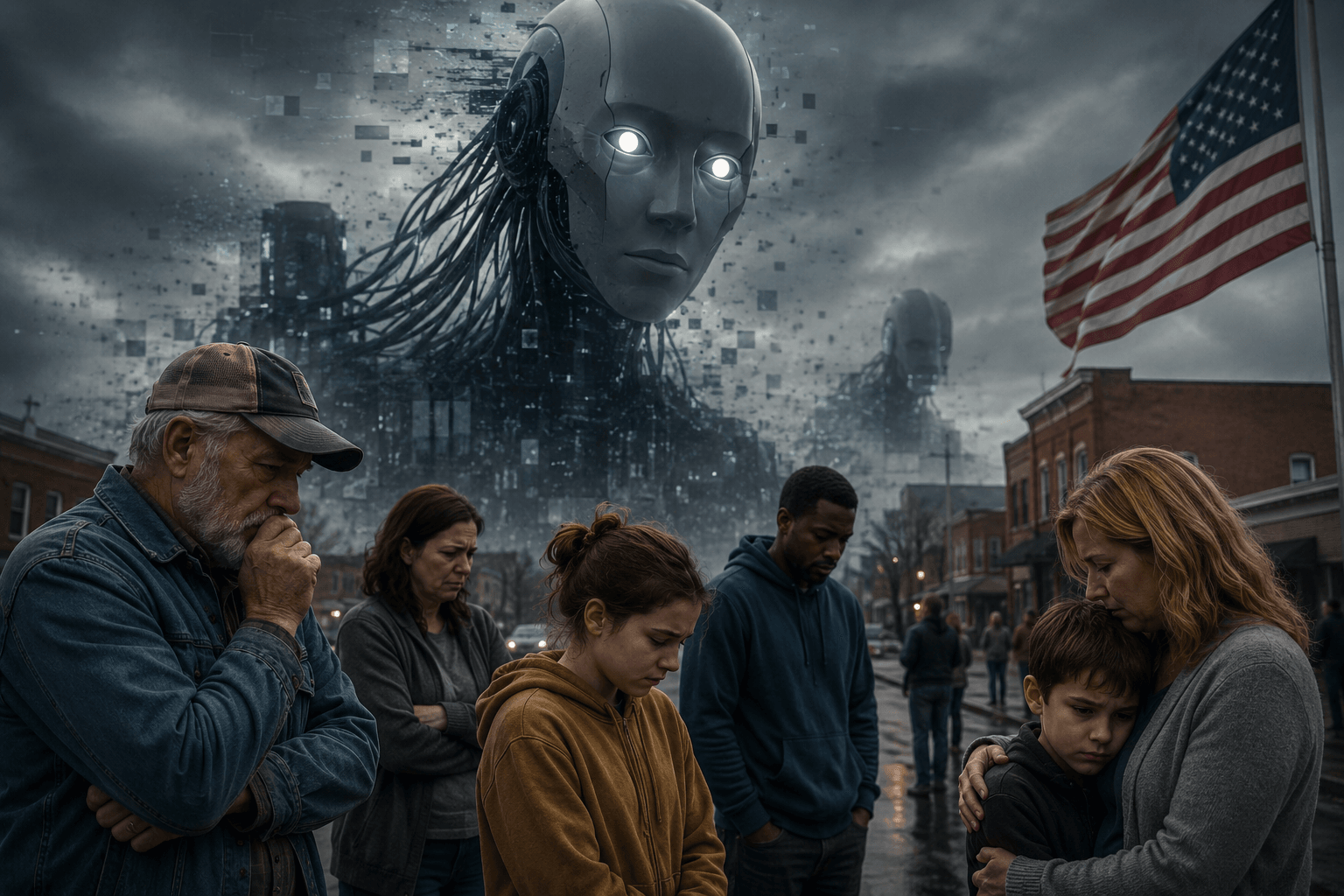
Americans remain deeply wary of AI, even as they tap chatbots for everything from recipe ideas to work deadlines.
According to a fresh Pew Research Center survey, only 16 per cent of United States adults believe artificial intelligence will have a positive impact on society over the next 20 years. Forty per cent instead predict a negative effect while the rest sit on the fence or offer no view.
Pew quizzed 5,119 adults in February to derive this conclusion. The finding stands out because usage keeps climbing. Nearly half of Americans now say they have tried an AI chatbot like ChatGPT, up from about a third in 2024. A solid quarter use them daily.
Enthusiasm stays low despite increasing usage though. Younger adults, the heaviest users, prove especially gloomy, with just 14 per cent seeing a bright societal future for the technology.
Negative perceptions dominate other corners too, according to the research. Majorities think AI advances too quickly, worry it will put personal information at risk, and lack confidence that government or companies will handle it responsibly. Two-thirds express little faith in regulators, and nearly six in 10 distrust tech firms on safety.
This Pew snapshot aligns with broader American pessimism. A Quinnipiac University poll from March found 55 per cent of adults think AI will do more harm than good in daily life, with seven in 10 expecting job losses. Gen Z emerged as the most cynical cohort.
Separately, the Annenberg Public Policy Center reported in May that only 17 per cent expect a positive impact on the United States over the next decade. Forty-two per cent foresee negative consequences and strong majorities call for tougher regulation, the report determined.
These findings highlight how many Americans think the rise of AI will yield more problems than solutions despite major technological advancements.
Read more: Micropolis Robotics surges on autonomous street sweeper deal in Abu Dhabi
Follow Rowan Dunne on LinkedIn
rowan@mugglehead.com