AI‑powered blood test promises lung cancer detection 5 years in advance
British scientists used the biopsy to detect a 14-protein blood signature linked to the disease
 Rowan Dunne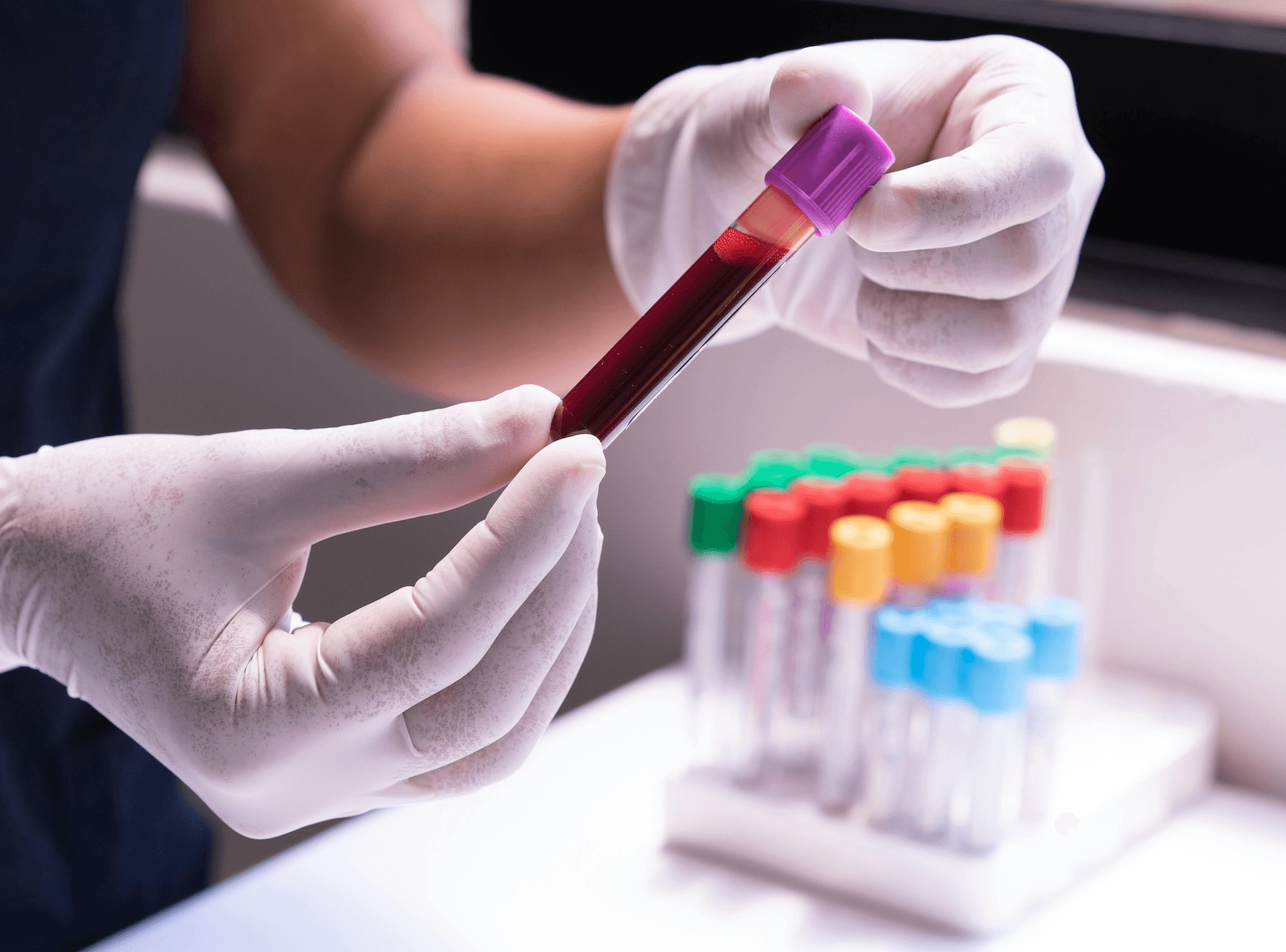
AI is quietly transforming how doctors spot lung cancer, turning routine checks into powerful tools that catch trouble years ahead of symptoms.
A pivotal study published in Cell on Jun. 4 marked a breakthrough in this regard. Researchers from the Francis Crick Institute and University College London used machine learning on blood samples from over 48,000 people in the UK Biobank. They identified a signature of 14 proteins that predicts lung cancer risk more than five years before diagnosis.
The research shows strong validation across eight global datasets, including in non-smokers, and links the signature to lung inflammation driven by factors like air pollution and smoking. This signature reflects a changed environment in the lungs rather than coming directly from a tumour.
“The signature doesn’t reflect the tumour itself,” explained Roel Vermeulen, a participating researcher and professor at Utrecht University. “It reflects an inflamed lung environment — an alarm signal that dormant mutant cells are being nudged toward malignancy.”
The study links this blood signature to a particular kind of inflammation signal in the body. In an earlier heart drug study, a medicine that reduces this inflammation helped people with high signature levels a great deal. It cut their lung cancer risk in half and made the treatment as practical as common heart drugs.
Two less-discussed aspects of the study’s discoveries also stand out. Many different types of lung cells all shift into the same vulnerable state before they turn cancerous, and air pollution expands this pool of at-risk cells while raising the protein signature. Blocking the inflammation signal in lab models reduced these cell changes and slowed early tumour growth.

‼️ Landmark #lungcancer research published today in Cell Scientists at the Francis Crick Institute and UCL have discovered a 14-protein blood signature that predicts lung cancer more than 5 years before diagnosis, works in never-smokers, and could identify who benefits from Show more

Read more: Breath Diagnostics advances pre-op pneumonia screening with FDA breakthrough designation
Progress in blood tests offers more options
This protein signature disease prediction tool adds to exciting advances in blood-based tests. Guardant Health Inc‘s NASDAQGH FRA5GH Shield test screens for multiple cancers using a simple blood draw with high accuracy for ruling out disease. The biopsy shows considerable promise for lung cancer indications. It recently won recognition for oncology innovation in Asia.
In addition, China’s Westlake University recently developed a palm-sized device that analyses one drop of blood with exceptional sensitivity and high accuracy for early detection. It stands out for its portability compared to larger lab systems.
Advancements made by institutions and companies like these highlight the promise of blood analysis for lung cancer prediction and diagnostics.
AI augments screening efforts beyond blood
Artificial intelligence now powers a multi-faceted toolset employed for combatting the disease before it progresses.
Breath Diagnostics uses machine learning on chemicals in a single exhaled breath to detect lung cancer patterns. This medtech company’s OneBreath test, currently in advanced stages of development, delivers fast, non-invasive results without radiation.
On the imaging front, Qure.ai’s software analyses chest X-rays quickly to flag possible problem areas and predict risk, making screening more accessible in many settings. Additionally, Median Technologies SA‘s EPAALMDT FRA4ZG eyonis LCS AI-integrated software helps radiologists review low-dose CT scans, improving detection and understanding of suspicious spots with strong accuracy.
Lung cancer screening is one of several healthcare applications that artificial intelligence has been proving its worth for.
Read more: Prestigious medtech intelligence firm recognizes Breath Diagnostics for innovation
Follow Rowan Dunne on LinkedIn
rowan@mugglehead.com