Replimune tanks on FDA concerns about its skin cancer therapy
Shares slid by more than 37% at the intraday low on Tuesday
 Rowan Dunne
The FDA’s view can send biotech shares soaring or crashing in moments as investors bet heavily on regulatory green lights.
On Jul. 28, Replimune Group Inc (NASDAQ: REPL) (FRA: 7R8) saw its stock slide sharply after the agency released documents that raised serious questions about the company’s skin cancer treatment. Shares dropped more than 30 per cent in early trading that day, with reports noting an intraday decline of up to 38 per cent during the session. The FDA’s briefing materials with these concerns were posted ahead of an advisory committee meeting scheduled for Thursday.
A shareholder law firm also launched an investigation into whether Replimune or its leaders violated securities rules by how they presented information about the treatment. The probe follows the FDA’s concerns and focuses on possible misstatements to investors. FDA staff have expressed doubts about Replimune’s RP1 (vusolimogene oderparepvec), an oncolytic immunotherapy based on a modified herpes simplex virus.
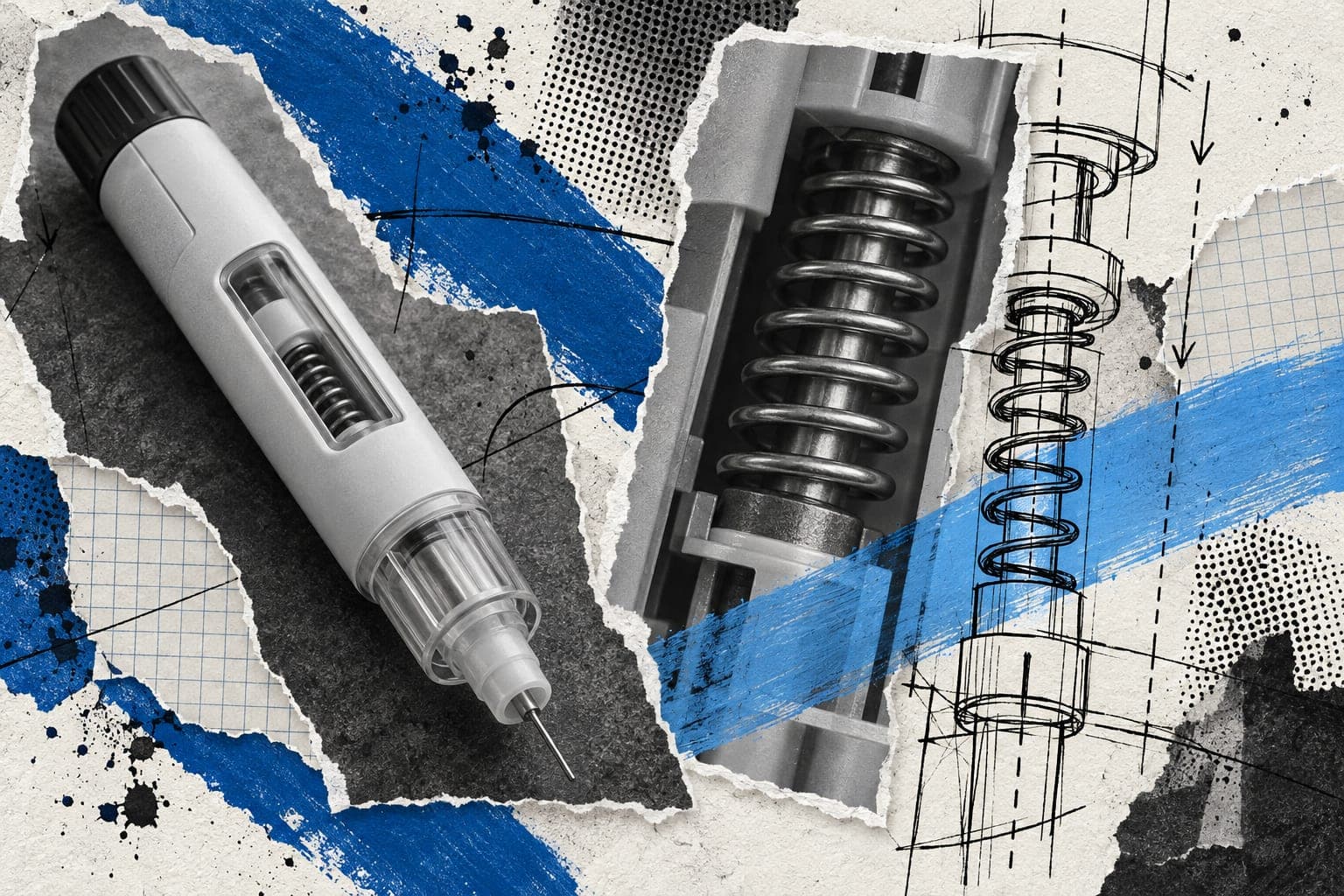
Doctors inject the drug directly into tumours. It aims to kill cancer cells locally and spark a wider immune response against the disease. Replimune tested it in combination with Bristol-Myers Squibb Co‘s NYSEBMY FRABRM established drug Opdivo (nivolumab) for adults with advanced melanoma whose cancer worsened after taking PD-1 inhibitor drugs like Opdivo by themselves.
The company based its application on a single-arm trial. The FDA said the data package was “not interpretable” and that the study design made it hard to tell what benefit came from RP1 itself versus the combination or other factors. Reviewers worried the response measurements might overstate the drug’s effect and noted the lack of a clear control group to show RP1’s added value. This marked the third attempt at approval after two earlier rejections.
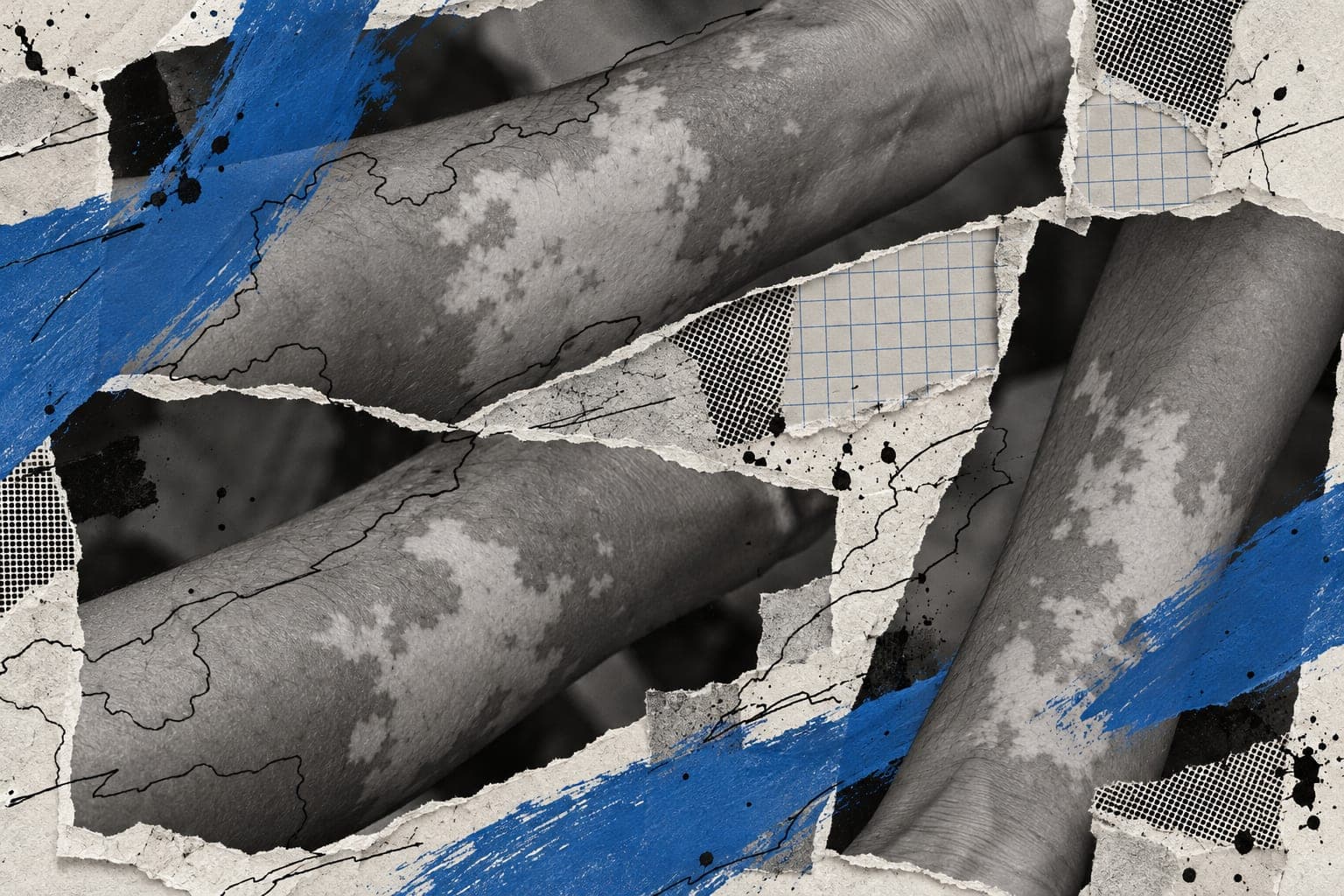
Replimune has argued that a randomised trial would be unethical in this patient group, as there are few effective options left. The company highlighted strong long-term survival data from the trial, including a median overall survival of nearly 33 months. Melanoma is a rare and deadly type of skin cancer, accounting for only 1 per cent of all cases.
This negative news adds to Replimune’s recent financial struggles. For the fiscal year ended Mar. 31, the company reported a net loss of US$313.9 million, wider than the previous year’s US$247.3 million loss. Cash, cash equivalents and short-term investments stood at US$268.9 million at year-end, down from US$483.8 million a year earlier but enough to support operations into early 2027.
The firm continues to advance other work in the oncology field, including trials for additional uses and a related candidate called RP2. Like many development-stage companies in cancer treatment, Replimune spends heavily on research while it seeks its first approval. The FDA has set a target decision date of Aug. 2 for the application.
Read more: Breath Diagnostics advances pre-op pneumonia screening with FDA breakthrough designation
Follow Rowan Dunne on LinkedIn
rowan@mugglehead.com