China's Westlake University develops palm-sized lung cancer blood test
It could surpass current liquid biopsy options after further evaluation
 Rowan Dunne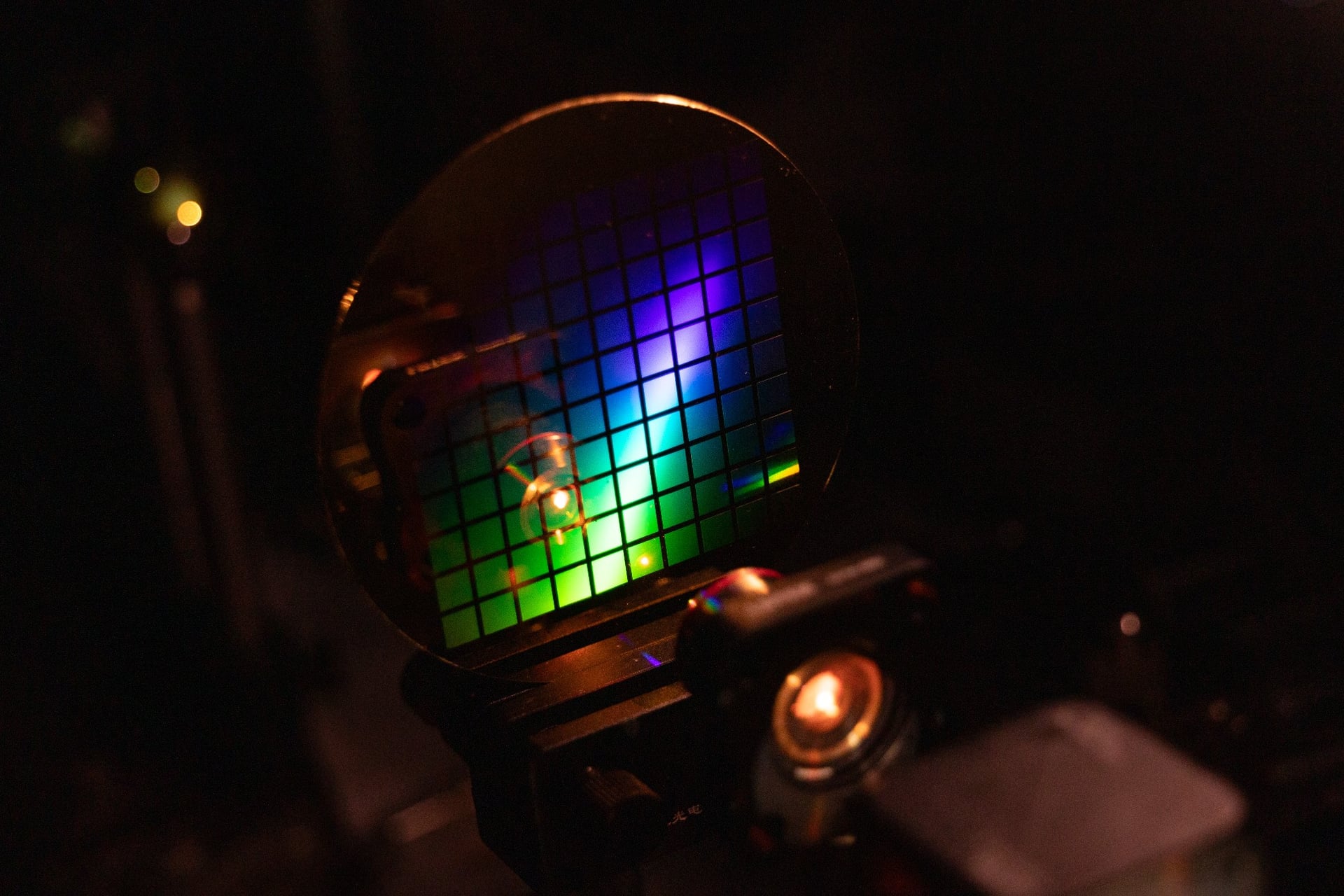
Researchers at Westlake University in China have developed a handheld device that detects cancer signs in a single drop of blood.
The technology shows strong early results for lung cancer detection. It has demonstrated much higher sensitivity than many standard methods and uses a compact form that could one day fit in a doctor’s office or clinic.
The team created this system using advanced light-based sensing. It picks up very low levels of cancer-related particles in blood. In tests with 171 patient samples, the device reached 94.9 per cent accuracy for early lung cancer detection and 92.1 per cent for checking after surgical tumour removal. It detects markers about 10,000 times more sensitively than common lab tests. The exact number of cancer-positive cases (prevalence) was not disclosed in the published abstracts or news reports.
Scientists published the research in the journal Nature Photonics on May 13. Westlake professor Wen Liaoyong led the effort.
Despite the positive indications, this test is currently in very early development. Researchers used patient samples in a lab setting, but it has not completed large-scale clinical trials or gained approval for regular use. Existing blood tests for lung cancer that are commercially available come mainly from companies like Guardant Health Inc NASDAQGH FRA5GH, Personalis Inc NASDAQPSNL FRA04X and Grail Inc NASDAQGRAL FRANL0.
The Westlake device stands out in lab tests for its extreme sensitivity and small size. It could surpass current options if it succeeds in bigger trials and reaches the market. Real success depends on proving it works well across large, diverse groups with few false results and clear benefits over CT scans.
“The system demonstrated remarkable potential for early lung cancer detection and postoperative monitoring,” said Westlake in a social media post, “combining cutting-edge photonics, advanced nanofabrication, and real-world clinical validation.”
This blood test arrives as other teams push forward with new lung cancer screening tools that examine the human body in different ways.
Breath Diagnostics continues work on its OneBreath test. This breath-based method captures chemicals from a single exhale and has shown 94 per cent sensitivity and 85 per cent specificity in studies with over 800 patients. It aims for fast, non-invasive detection with the appeal of being radiation-free.
Moreover, Cambridge University researchers just published a study in Nature Aging on a urine test for detecting the disease. It looks for signs linked to early lung cancer and could spot issues years before symptoms appear.
These efforts highlight growing momentum in simpler ways to find lung cancer early. Early detection remains key for better survival rates.

A team at Westlake University in China just published a handheld cancer detector in Nature Photonics. Single drop of blood, 94.9% accuracy for early-stage lung cancer, 10,000× more sensitive than the standard lab test. Chip cost: $5.Worth paying attention to, but also worth Show more

Read more: Prestigious medtech intelligence firm recognizes Breath Diagnostics for innovation
Follow Rowan Dunne on LinkedIn
rowan@mugglehead.com