Median Technologies partners with Canon Medical to achieve lung cancer screening goals
Their collaboration seeks to expedite deployment of Median's AI-powered nodule detection system
 Rowan Dunne
Median Technologies SA EPAALMDT FRA4ZG has linked arms with Olea Medical, a Canon Medical Systems subsidiary, to push its AI tool for spotting early lung cancer into hospital scanning rooms across the United States and Europe.
The move, announced on Jul. 30, looks good on paper but raises more questions than it settles about whether the tech will actually reach patients in meaningful numbers. The new global commercial deal aims to speed up the roll-out of Median’s eyonis LCS software-as-a-medical-device (SaMD). Olea and Median will jointly promote and support the software in those two major markets and any other regions they later agree on.
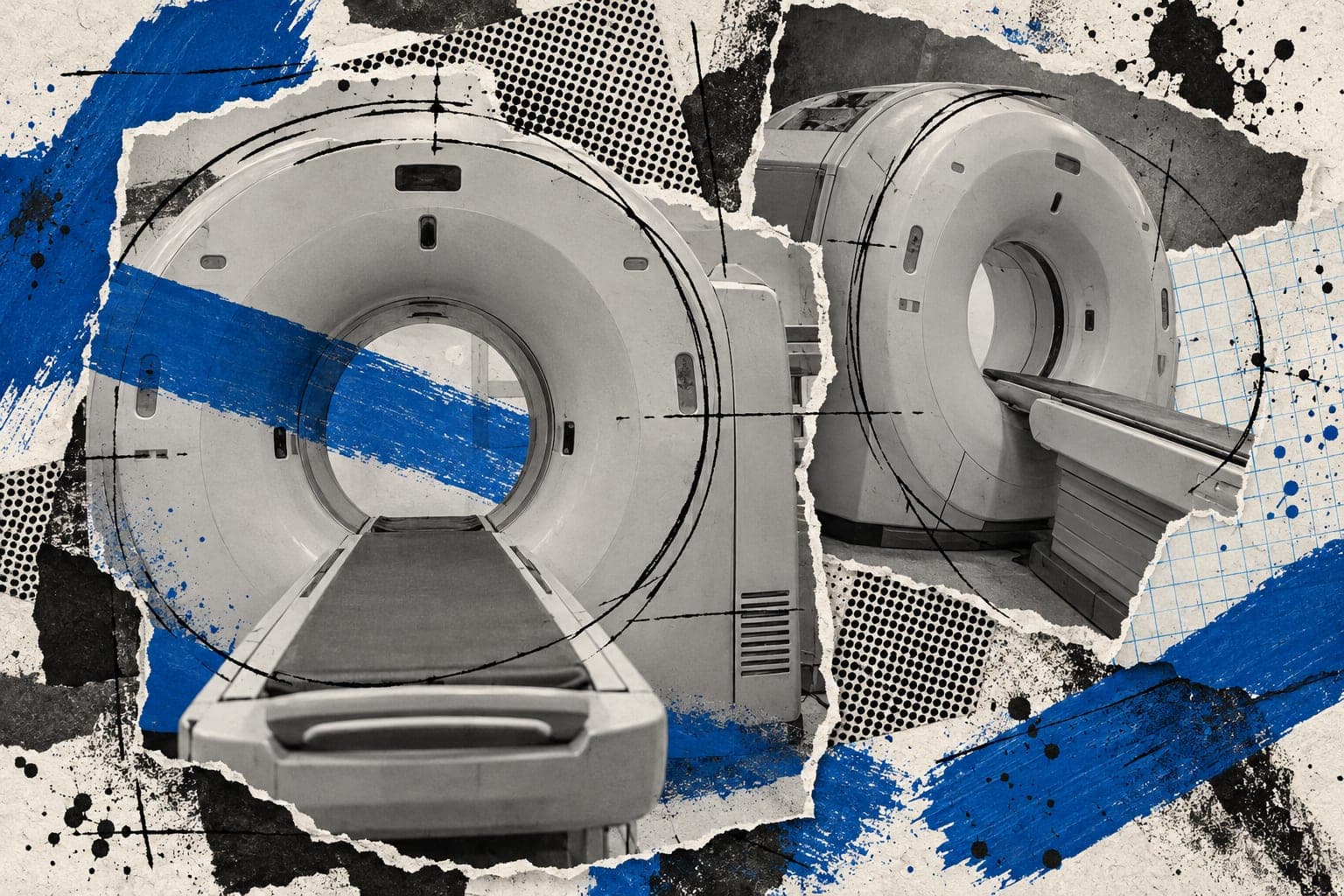
The tool examines low-dose CT scans of the chest. It flags possibly malignant nodules and ranks how worrying they look so radiologists can decide next steps faster. The companies present the collaboration as a way to place the software inside existing hospital systems through Olea’s platforms and Canon’s wide network of CT scanners.
“eyonis LCS is the only AI-powered SaMD approved in both the USA and the EU for lung cancer screening,” said Olea President Fayçal Djeridane in the announcement, “and Olea brings the platform, the integration and the clinical footprint to put it in radiologists’ hands, at scale.”
This arrangement follows Median’s recent regulatory wins. The FDA cleared the product in February and Europe granted CE marking in July. With those permissions in hand, Median needs partners to turn approvals into actual sales.
The Olea pact joins an earlier non-exclusive arrangement with Tempus AI Inc NASDAQTEM FRAF3M and forms part of Median’s plan to work with several imaging and technology firms at once. Canon Inc‘s (OTCMKTS: CAJFF) (FRA: CNN1) medtech subsidiary brings a large fleet of CT machines already installed in radiology centres on both sides of the Atlantic. Its own lung-screening programme includes special filters that cut radiation while keeping image clarity, mobile scanners that can travel to underserved areas, and software that helps measure nodules.
The firm also runs lung cancer awareness campaigns under the banner “Screen for Life. Breathe with Hope.” Olea adds post-processing software and tools that slot into daily radiology workflows. However, most of Olea’s track record sits in brain and emergency imaging rather than high-volume lung programmes.
The partnership has some clear risks. It is not exclusive, so Olea and Canon may not push the product as hard as they would with a sole focus. Putting the AI into real hospital computer systems can be slow and difficult too. Olea has more experience with other types of imaging than high-volume lung screening.
Getting doctors and hospitals to use and pay for the tool will take time, and bigger competitors like Siemens Healthineers AG (OTCMKTS: SEMHF) (FRA: SHL) and GE Healthcare Technologies Inc (NASDAQ: GEHC) already offer similar products. U.S. adoption also depends on Medicare’s current US$600 to US$700 per-exam reimbursement rate, which could be cut in future years based on actual usage data. Lung cancer screening programmes themselves still struggle with low participation as well, so even a good AI tool may not spread as quickly as hoped.
Median closed 2.4 per cent higher on Thursday after this development came into the public eye.
#MedianTechnologies Le marché va maintenant acheter pour anticiper les annonces de premiers contrats offerts par la puissance du réseau de #Canon. Et la VAD va devoir se racheter très vite. 🔥

#MedianTechnologies 🚨 À mes yeux, le dossier prend une nouvelle dimension. ✅ FDA ✅ Marquage CE ✅ Partenariat mondial avec Olea Medical (groupe Canon Medical Systems) Les grands groupes recherchent des solutions déjà validées. Median en fait désormais partie. À seulement
Read more: Breath Diagnostics advances pre-op pneumonia screening with FDA breakthrough designation
Follow Rowan Dunne on LinkedIn
rowan@mugglehead.com