Thailand sees rapid workplace AI adoption rise in Q1
Only a small portion of the population is actively using it though
 Rowan Dunne
Artificial intelligence now powers decisions, boosts productivity and reshapes daily tasks across offices and factories worldwide. Nations and companies that ignore it risk falling behind, while those that embrace it gain a clear edge.
A fresh report from Microsoft Corp NASDAQMSFT FRAMSF has showcased Thailand’s rapidly rising rate of workplace AI adoption. The Southeast Asian country now ranks second globally, trailing only South Korea.
According to the company’s Global AI Diffusion report for the first quarter of 2026, Thailand recorded a remarkable 36.4 per cent year-over-year increase in AI diffusion among its working-age population. This surge significantly outpaces the global average growth of 17.8 per cent.
However, Thailand’s overall AI diffusion rate stands at only 12.4 per cent, 5.4 per cent below the global average. An AI diffusion rate measures the percentage of a country’s working-age population that actively uses generative AI tools in the workplace.
Thailand’s first quarter momentum was prominently showcased by how its white-collar workers had an adoption rate of 32 per cent, double the global average. Business leaders showed even greater drive, with 51 per cent demonstrating clear vision and alignment on AI — nearly twice the global figure of 26 per cent.
During the three-month period, South Korea led with 43.2 per cent growth, followed by Thailand and then Japan at 34.1 per cent. Other nations posting strong gains above 30 per cent included Mongolia, Iran, Laos and Turkey.
Dhanawat Suthumpun, managing director of Microsoft Thailand, noted the country’s pace during a Microsoft AI exhibition held in Bangkok this week.
“Thailand has the fastest pace in terms of AI adoption,” he said. Suthumpun added that while progress excites many, 87.6 per cent of Thais have yet to use AI, creating huge room for growth and a great deal of work to be done. They include local workers involved with manufacturing, agriculture, healthcare and education.
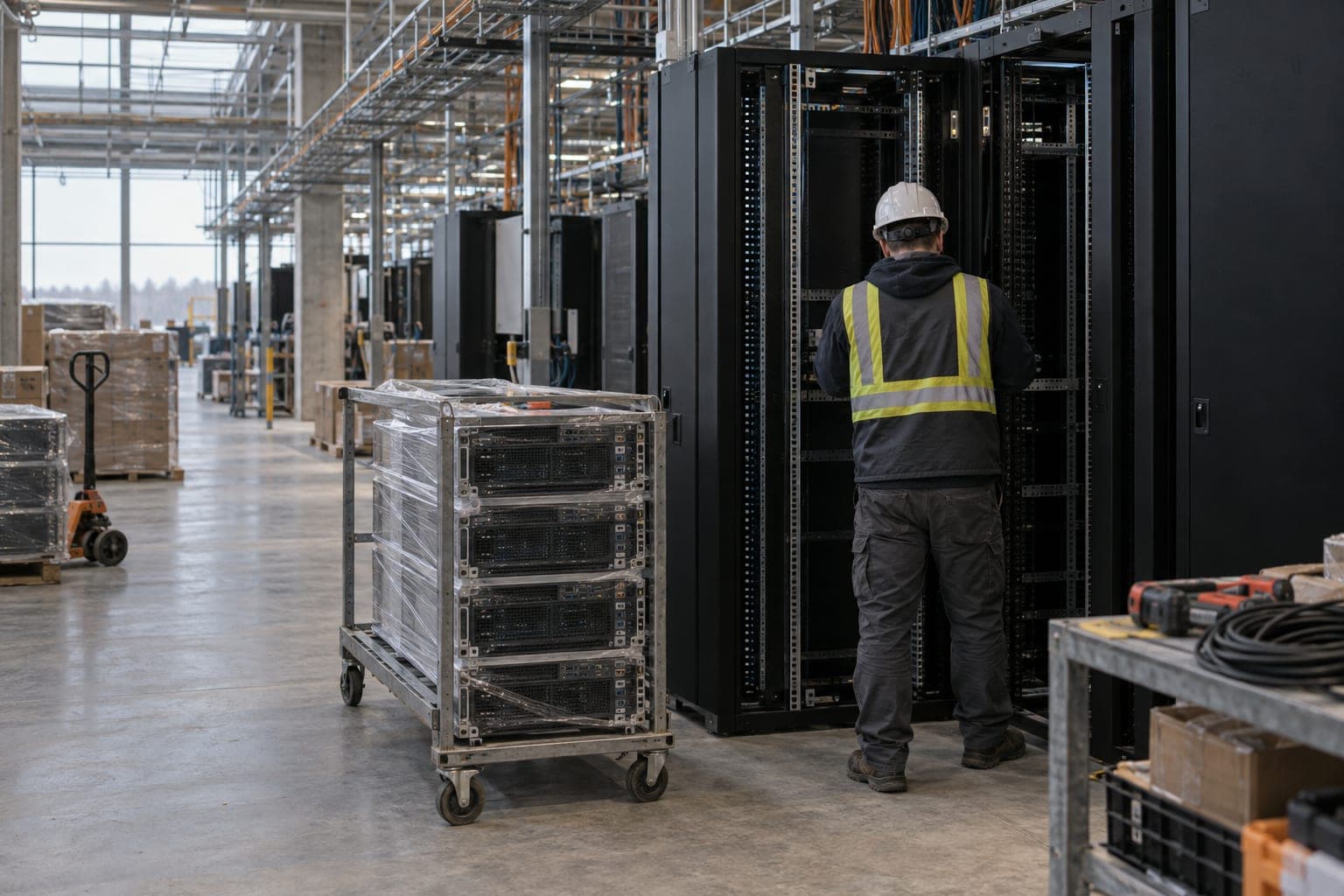
Thailand’s richest man, Sarath Ratanavadi, is betting big on this momentum. He plans to invest up to 140 billion baht (about US$5.5 billion) through Gulf Development Ord Shs (OTCMKTS: GLFDF) (BKK: GULF) over the next five years to expand data centres and infrastructure supporting the AI boom. Gulf Development aims to add up to 2,000 megawatts of data centre capacity to meet surging demand for computing power.
This move aligns with broader optimism. An Ipsos survey shows 74 per cent of Thais believe AI brings more benefits than drawbacks, and 80 per cent of workers report that AI tools save them time. Yet challenges remain, such as skills shortages and potential job displacement for up to 2.2 million workers. Experts call for training programmes and protections so people work alongside AI rather than compete against it.
Read more: Microsoft teams up with Mayo Clinic to create healthcare specialist AI model
Follow Rowan Dunne on LinkedIn
rowan@mugglehead.com