Pharma giant Eli Lilly enters psychedelics space with AtaiBeckley takeover
AtaiBeckley stock rose more than 55% in after-hours trading Wednesday
 Rowan Dunne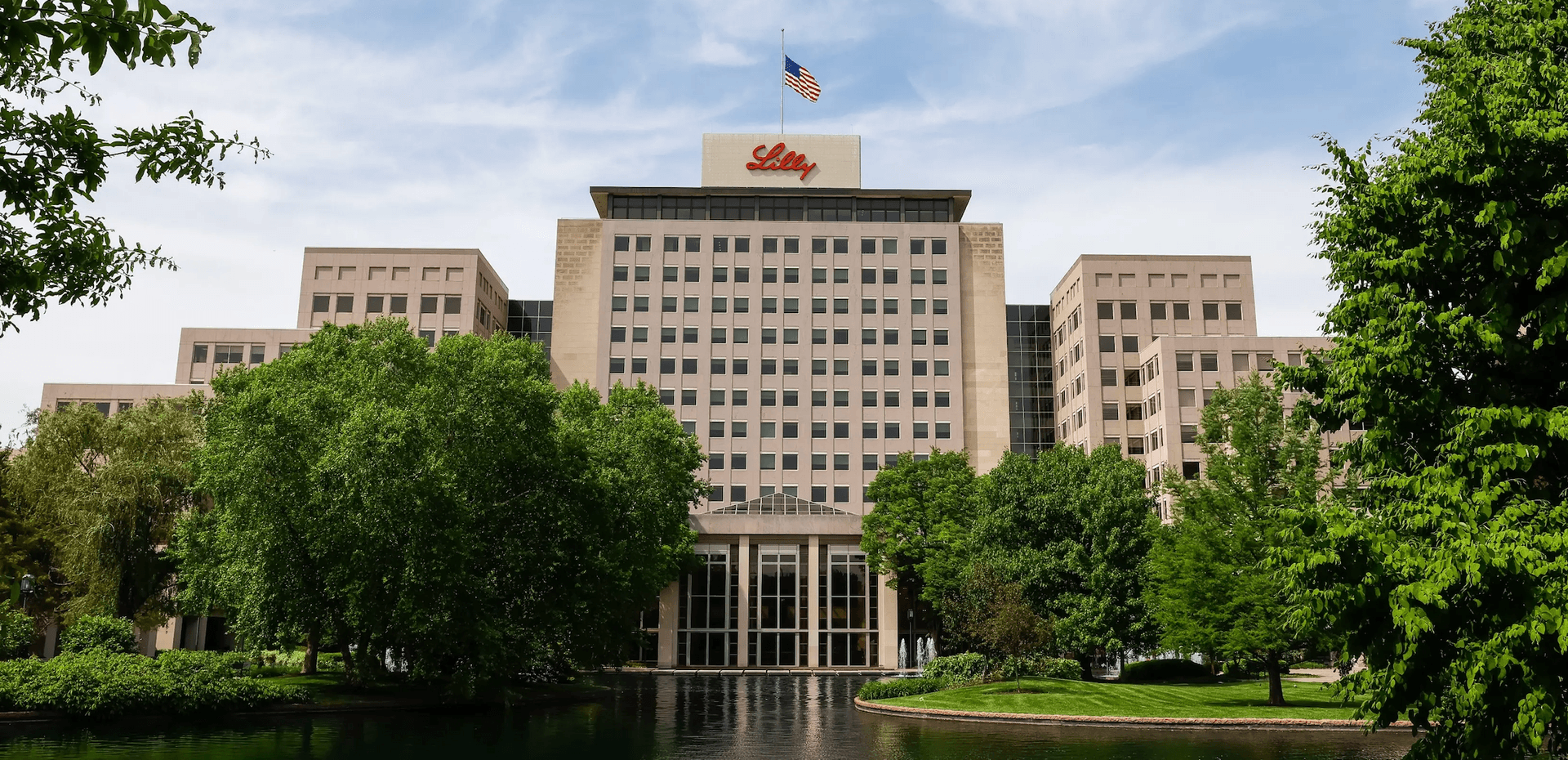
Pharmaceutical giants are now eyeing psychedelic drug developers, drawn by mounting clinical evidence and a sector gaining mainstream acceptance. Investors recognise potential in compounds that target root causes of mental illnesses rather than symptom management alone.
This momentum became evident this week with Eli Lilly And Co‘s NYSELLY ETRLLY agreement to acquire AtaiBeckley Inc NASDAQATAI FRAB72. Reports from Reuters and Bloomberg late Wednesday triggered a sharp after-hours surge in ATAI shares, with gains exceeding 60 per cent reported. The momentum carried into premarket trading on Thursday before the stock extended further once the companies officially confirmed the deal that morning.
Under the terms detailed in the news release, Lilly will pay US$6.75 per share in cash, valuing AtaiBeckley at approximately US$2.8 billion upfront. Holders could receive up to an additional US$2.50 per share through a contingent value right tied to development and regulatory milestones for key programmes. The deal is anticipated to close in Q3.
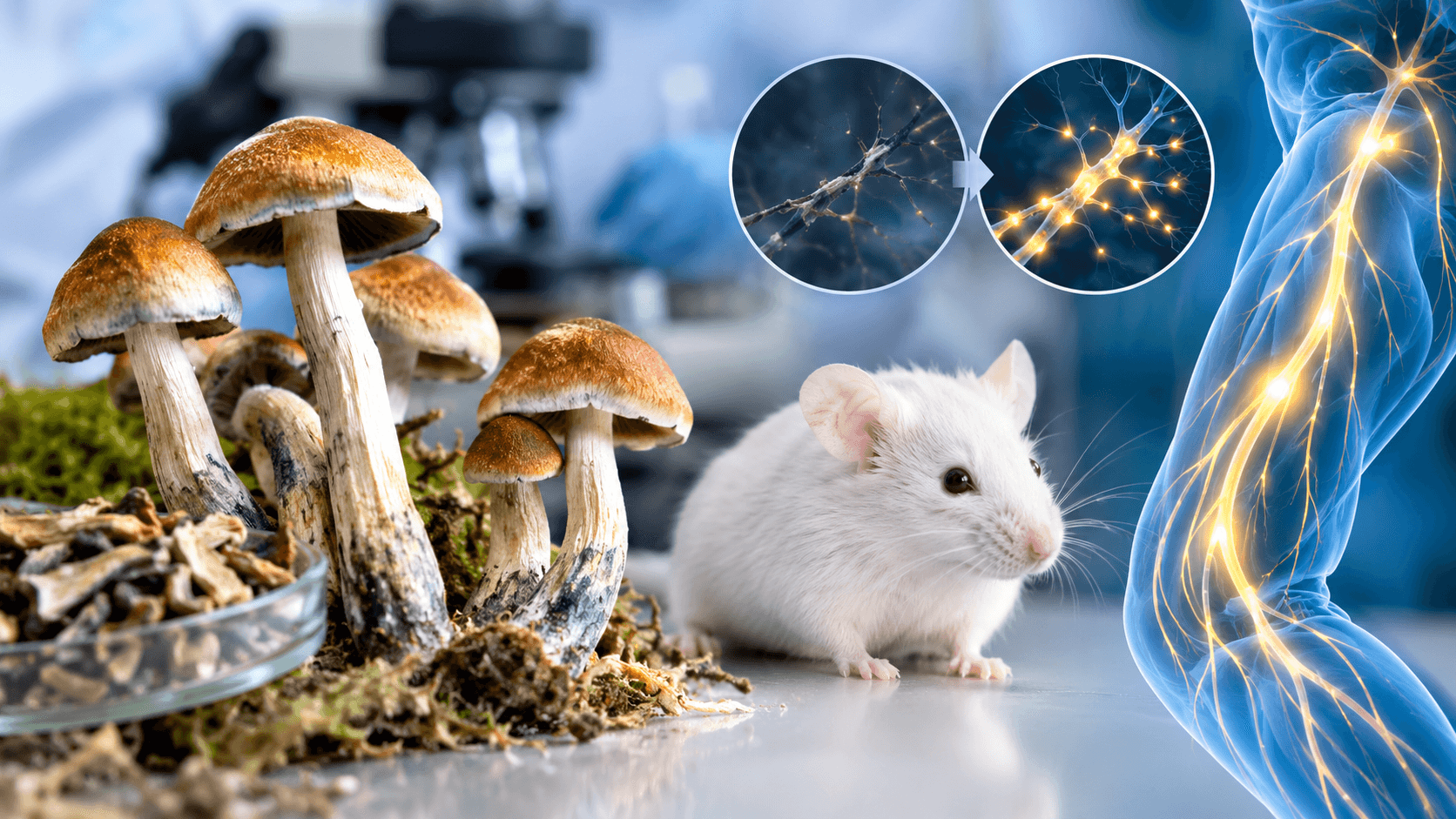
AtaiBeckley emerged from the recent combination of Atai Life Sciences and Beckley Psytech, uniting expertise in short-acting neuroplastogens. BPL-003, a synthetic intranasal 5-MeO-DMT formulation for treatment-resistant depression, is a key element of its pipeline. This drug just secured FDA Breakthrough Therapy Designation and began Phase 3 activities. Early data shows significant symptom relief after a single in-clinic session lasting about two hours.
Other assets include VLS-01, a buccal film (thin oral strip) DMT candidate advancing in Phase 2b for depression; and EMP-01, an oral MDMA drug programme in Phase 2 for social anxiety disorder. The company is also pursuing next-gen non-hallucinogenic 5-HT2A agonists, which are currently one of the hottest areas in neuropsychiatric drug research.
Lilly clearly sees strategic value in these clinical assets. They complement its neuroscience ambitions by addressing stubborn mental health conditions through novel mechanisms that restore neural connections.
Eli Lilly ranks among the world’s leading pharmaceutical companies. It creates medicines for diabetes, obesity, Alzheimer’s and more, harnessing biotech and chemistry to tackle major health challenges.
Read more: Dune’s final chapter was filmed with a dedicated ‘psychedelic unit’
Move comes amid regulatory tailwinds
This acquisition follows building regulatory support in the United States, developments that likely bolstered Lilly’s confidence in the takeover.
President Trump’s recent executive order on accelerating psychedelic therapies for serious mental illness also made ATAI stock rise upon announcement. It directs agencies to expedite research and approvals for promising treatments. This was a major industry development, signalling growing acceptance of psychedelic therapies in Washington D.C.
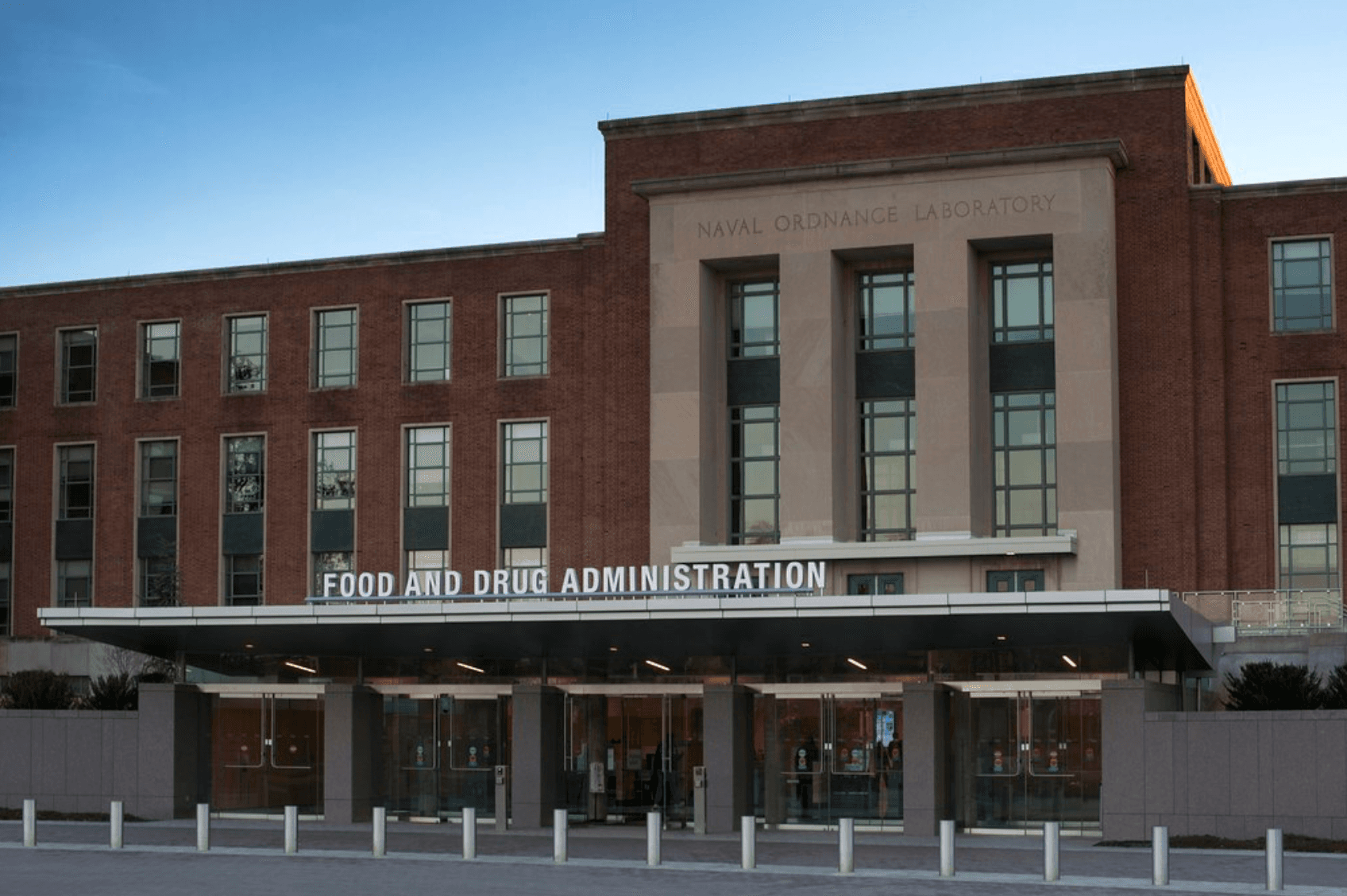
The FDA also just issued final guidance on psychedelic drug research, clarifying considerations for clinical investigations and providing a clearer pathway for developers. Complementing this, the VA and U.S. Department of Health and Human Services signed a memorandum of understanding this week to enhance cooperation on psychedelic trials, focusing on veterans’ needs. The pact promotes data sharing, workforce training and preparation for potential approved therapies, directly supporting Trump’s directive.
These steps signal a maturing environment for psychedelic medicines, encouraging established players like Lilly to invest strategically. Nonetheless, many challenges in this nascent and controversial industry remain. Clinical failures are common and regulatory winds can shift. Investors would be wise to remain cautious.
Read more: MAPS publishes extensive research paper on ibogaine
Follow Rowan Dunne on LinkedIn
rowan@mugglehead.com