MAPS publishes extensive research paper on ibogaine
Ibogaine has been employed for healing purposes by Indigenous groups in Africa for centuries
 Rowan Dunne
Ibogaine continues to attract the spotlight and become a popular topic of discussion. Once confined to underground clinics and West African spiritual traditions, this potent psychedelic now draws serious glances from scientists and policymakers.
The Multidisciplinary Association for Psychedelic Studies (MAPS) has just released a comprehensive Investigator’s Brochure on ibogaine as a free, open-access resource. This move marks a significant step forward. Typically, such detailed regulatory documents remain expensive and accessible mainly to well-funded pharmaceutical companies. As of Jul. 7, MAPS has changed that by making the full compilation of data publicly available.
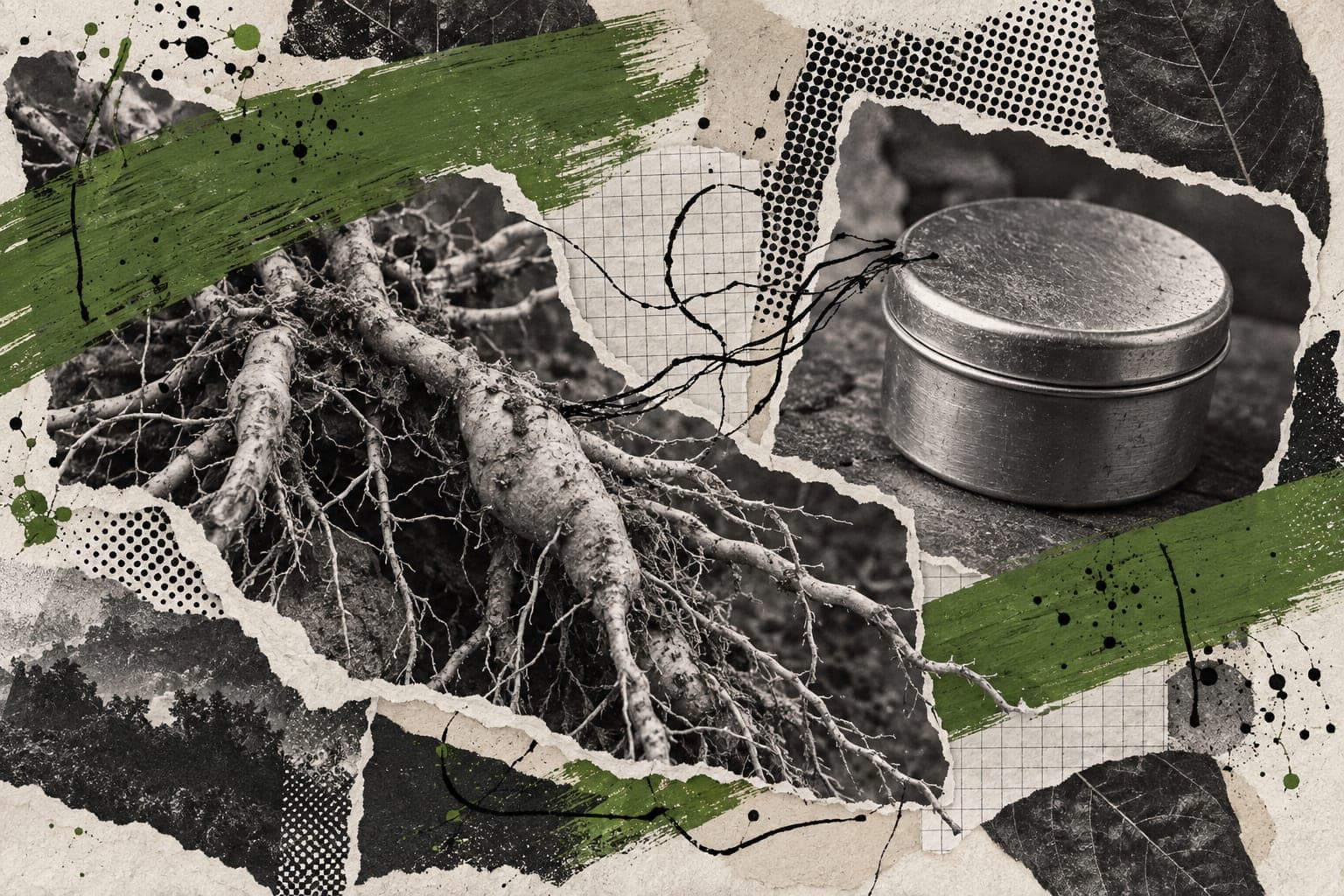
The brochure compiles decades of research on ibogaine, the main alkaloid from the Tabernanthe iboga shrub native to Central Africa. It covers its complex pharmacology — including interactions with opioid receptors, serotonin transporters and its active metabolite noribogaine. Researchers have linked noribogaine to reduced withdrawal symptoms, substance cravings and potential neuroplastic effects. Preclinical studies show promise for treating opioid use disorder and other substance dependencies.
Nonetheless, MAPS stresses the brochure’s limitations. It draws primarily from published scientific writings and does not fully capture traditional Bwiti uses or extensive real-world clinical experience. The organisation urges researchers to consult traditional practitioners, experienced clinicians and community experts.
It also highlights sustainability concerns as rising demand strains wild iboga populations, and calls for ethical cooperation with source communities in Gabon. As interest surges, supply questions loom. Traditional iboga harvesting raises sustainability alarms. Furthermore, the document outlines safety considerations, such as cardiac risks that require careful medical monitoring.
“These findings have been interpreted to suggest that ibogaine induces altered states of consciousness that support an individual’s capacity for adaptive personal change,” the authors state in the document.
This release arrives at a pivotal time. In the United States, regulatory momentum is building rapidly. Texas has committed tens of millions to ibogaine clinical trials while Colorado continues expanding its regulated psychedelic programme to include the compound.
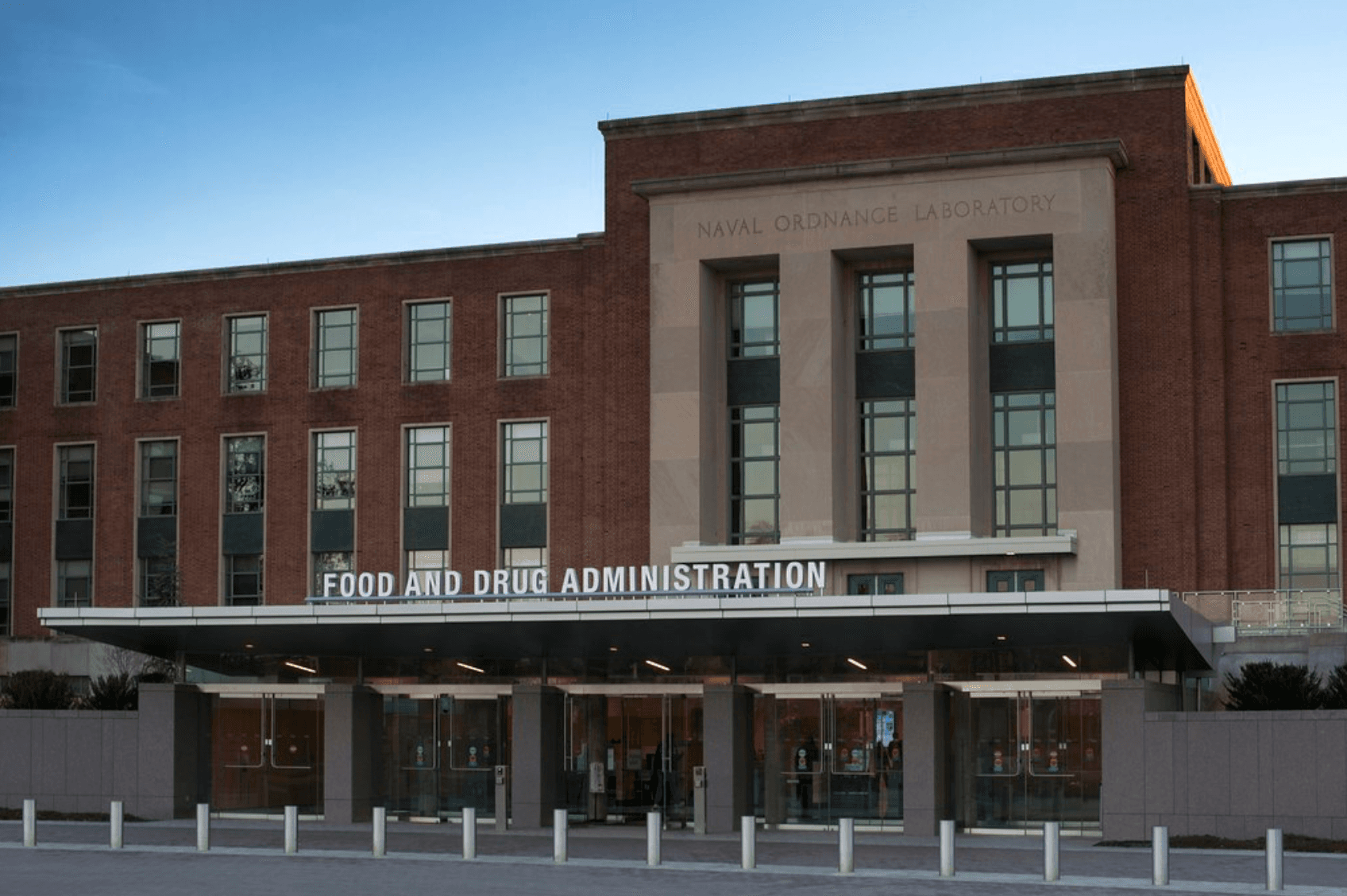
In April, the FDA cleared the first Investigational New Drug application for noribogaine. A federal executive order under President Trump that month further accelerated research and access pathways for ibogaine along with other psychedelics that may have clinical value.
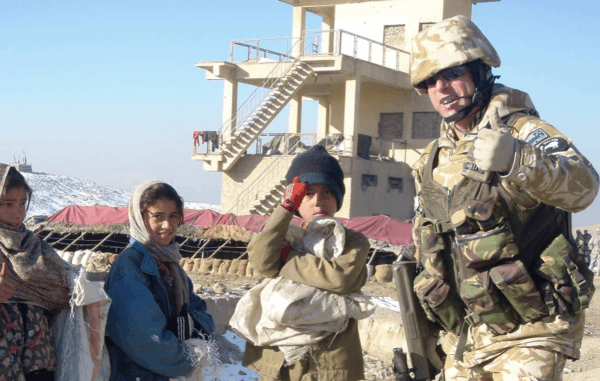
Clinics in Mexico where the drug can be legally administered are reporting sharp rises in veteran clients seeking relief from PTSD, traumatic brain injury (TBI), and addiction. Facilities like Beond have noted steady increases in military and first-responder participants, many of whom describe profound reductions in symptoms after treatment. Many with TBI from fight sports or accidents also turn to ibogaine for its reported ability to support cognitive and emotional recovery.
“What’s different today is the scale of institutional interest,” said MAPS founder Rick Doblin, “and with that comes a responsibility to make sure the foundational science is accessible to everyone working in good faith, not just to those who can afford to develop it.”
Read more: Athlete ran 500 miles on psychedelic drugs for upcoming documentary
Follow Rowan Dunne on LinkedIn
rowan@mugglehead.com