ClearOne skyrockets from neurotech pivot, merger with Cortigent
Cortigent uses brain and retina implant tech to help blind people navigate better
 Rowan Dunne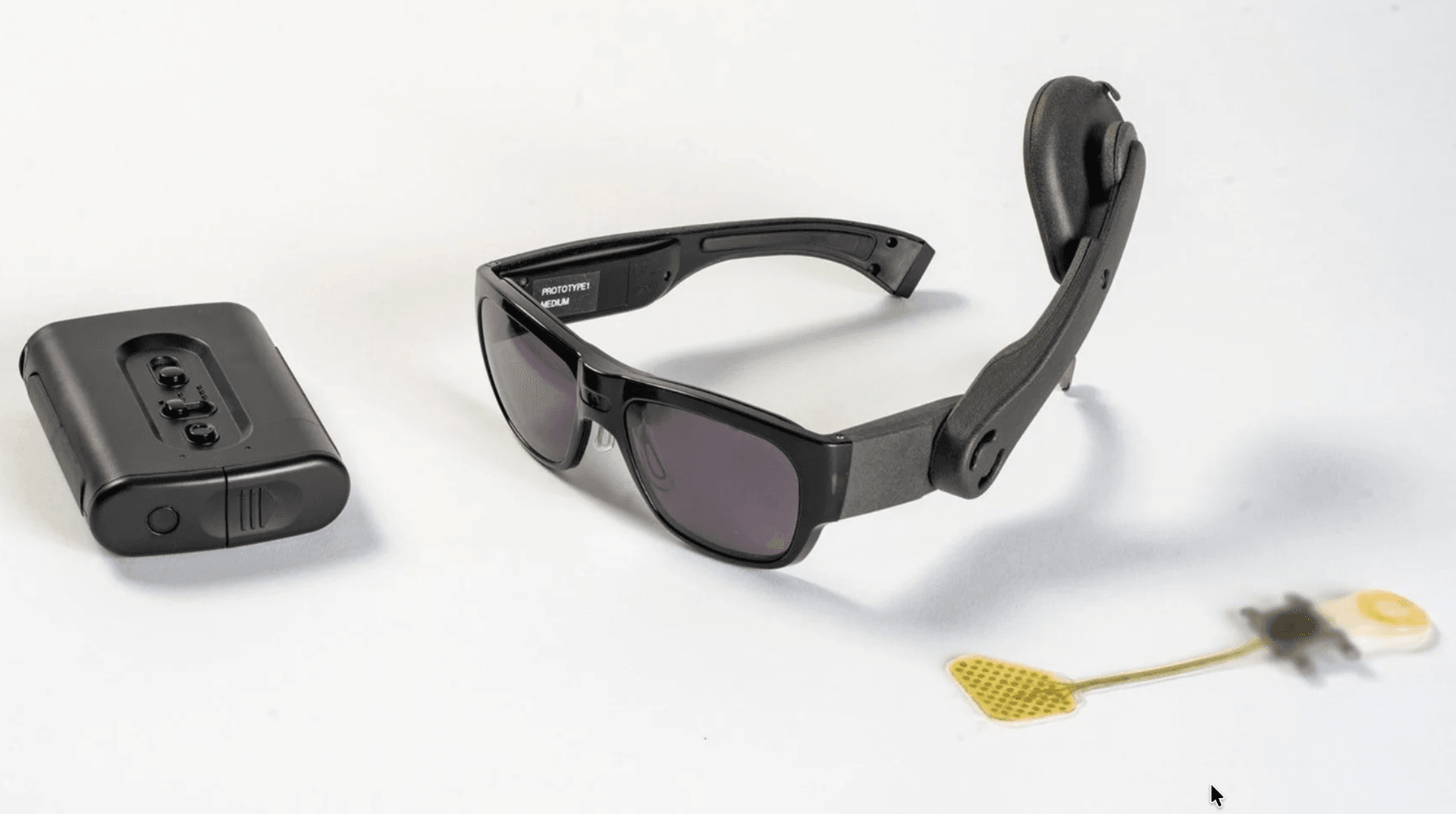
Investors are pouring money into neurotech as brain-focused innovations capture the spotlight in the search for the next high-return opportunity.
Clearone Inc (NASDAQ: CLRO) is currently riding this wave of excitement. The company saw its Nasdaq shares surge after it announced a merger with Cortigent on Jul. 2. On the day of the announcement, the stock jumped as much as 155 per cent intraday on extremely heavy volume before closing with gains reported around 100 per cent or more. It continued to show strength in following sessions, with gains in excess of 97 per cent by the time the market closed on Tuesday.
This rally reflects ClearOne’s strategic shift away from communications technology. The firm, which recently divested its conferencing, collaboration and network streaming operations, now moves into neurotech through the deal.
This transaction, expected to close in the third quarter of 2026, includes a concurrent equity raise of up to US$15 million. Cortigent parent Vivani Medical Inc (NASDAQ: VANI) (FRA: U5P) will receive 12.5 million shares and own the majority (59.4 per cent to 67.5 per cent) of the combined business. ClearOne shareholders will hold roughly 13.5 per cent.
The new entity will eventually trade on the Nasdaq as Cortigent Holdings under the ticker CRGT.
Read more: Breath Diagnostics advances pre-op pneumonia screening with FDA breakthrough designation
Cortigent powers next-gen skull implants
The Vivani subsidiary creates brain and eye implants designed to restore important body functions. Its precision neurostimulation platform combines neuroscience with custom microelectronics.
The company builds directly on work from its predecessor firm, Second Sight Medical Products. That earlier company developed and marketed the Argus II, a retinal implant — the first and only FDA-approved device of its kind for a rare form of blindness. It helped hundreds of patients gain meaningful visual perception by stimulating the retina.
Now, Cortigent advances to cortical (brain surface) stimulation with its Orion system. Orion aims to treat blindness from common causes such as glaucoma or diabetic retinopathy. It has secured FDA Breakthrough Device Designation and completed a six-year early feasibility study in 2025 that delivered promising safety and performance outcomes.
The firm also applies its technology to help stroke patients recover arm and hand motion. Cortigent holds a robust collection of patents and intellectual property.
Following strong study results, Cortigent presented detailed findings on Orion at the North American Neuromodulation Society (NANS) annual meeting in January. The poster earned recognition for its technical insights and long-term data, highlighting the system’s reliability even years after implantation.
Parent company Vivani Medical develops miniature, long-acting drug implants using its “NanoPortal” platform. These implants seek to treat chronic conditions like obesity and diabetes by providing steady medication delivery. The merger allows Cortigent to advance independently with fresh capital and a Nasdaq listing. At the same time, it lets Vivani cut direct costs in neurotech and concentrate more on its drug programmes.
Neurotech Market Expands Rapidly
Research firms forecast strong growth for the neurotech sector, with double-digit annual increases anticipated that could push the market to tens of billions in the coming years.
Demand for tools that address neurological needs drives this expansion. Leading names in the sector include Medtronic PLC NYSEMDT FRA2M6, Boston Scientific Corp (NYSE: BSX) (FRA: BSX), Elon Musk’s Neuralink, Abbott Laboratories NYSEABT ETRABL, and Synchron.
Cortigent’s direct brain approach sets it apart from many retinal or other systems, though competition in brain-computer interfaces remains significant. This latest deal shows how companies can quickly enter promising new fields and see market gains promptly. However, with the merger months away from closing and ClearOne shareholders left with less than 15 per cent of the new entity, investors may want to consider whether this month’s major rally is overly inflated.
Read more: Prestigious medtech intelligence firm recognizes Breath Diagnostics for innovation
Follow Rowan Dunne on LinkedIn
rowan@mugglehead.com