Kenya shortlists mining firms in tender for major rare earths deposit
Critical Metals Corp, a RareX-Iluka consortium and ReElement have advanced to the final stage
 Rowan Dunne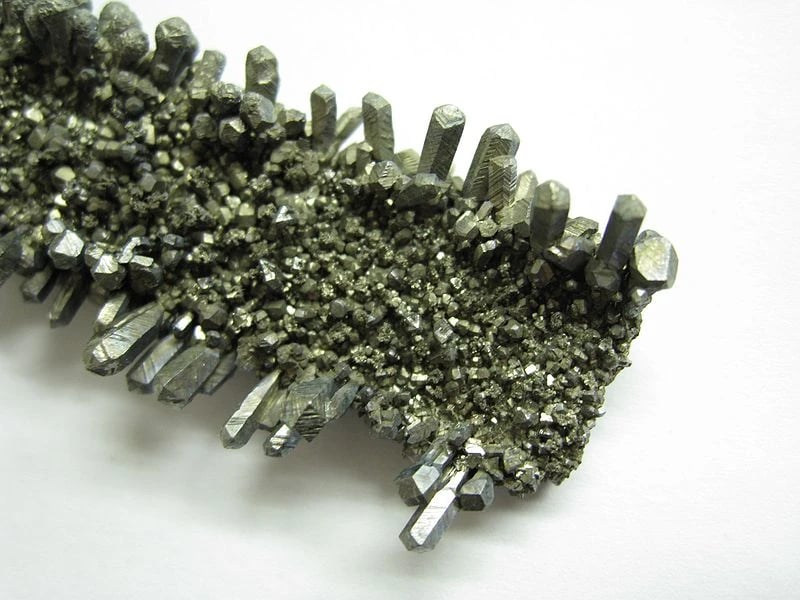
Balancing profit and employment opportunities against damage to nature poses a constant test for the mining industry. Countries want economic growth and key materials, but they must protect the environment and local ways of life. Kenya is now dealing with this dilemma at Mrima Hill.
The Kenyan government has narrowed the field to a few strong groups for the final stage of bidding to develop the Mrima Hill niobium and rare earth deposit in Kwale County. It selected proposals from an initial group of seven bidders.
Top contenders include an American-led team with Critical Metals Corp (NASDAQ: CRML) (FRA: 9O2) and its partners plus an Australian group with Rarex Ltd (OTCMKTS: REEEF) and Iluka Resources Ltd (OTCMKTS: ILKAF) (FRA: ILZ). American Resources Corp NASDAQAREC subsidiary ReElement has reportedly also been shortlisted.
Mrima Hill sits on Kenya’s southern coast, roughly 65 kilometres from Mombasa, with good access to the port. Experts regard it as one of the world’s biggest undeveloped sources of these minerals, with an estimated worth of around US$63 billion.
The project will involve digging out the materials and setting up processing facilities. It aims to turn Kenya into a hub for the region instead of a nation that simply ships raw ore abroad. Government officials could potentially select a winner by the end of the year.
Read more: Strategic U.S. antimony resource emerges in NevGold’s Nevada MRE
Environmental and social concerns
Mrima Hill lies within a protected forest known as Kaya Mrima, a sacred area for the Mijikenda and Digo Indigenous communities.
This double status as a national monument and nature reserve raises serious issues. Locals and activists worry that development will harm biodiversity, water supplies and important cultural shrines that have served the community for generations.
Many locals also fear foreign companies will exploit the site with little benefit for Kenyans. Calls now grow louder for full transparency, proper community involvement and strong rules to handle radioactive elements that occur naturally with these minerals.

Mrima Hill is home to some of the most rare and precious trees and plants in the country...

The rare-earth stockpile below a sacred Kenyan hill - giftarticle.ft.com/giftarticle/ac… via @FT
Uses for niobium and associated elements
Niobium forms a vital part of the deposit. Factories add small amounts to steel to make it stronger and tougher. This improved steel goes into buildings, bridges, pipelines and vehicles.
Niobium also plays a key role in defence and military applications. It appears in jet engine parts, rocket components and high-performance alloys that withstand extreme heat and stress in aircraft and weapons systems. Superconductive properties further support advanced military and medical imaging tech.
The site also holds yttrium, lanthanum and other rare earth elements. These materials help make strong magnets for electric cars and wind turbines, colours for screens and lights and components for batteries and electronics. Neodymium and dysprosium, for example, create powerful magnets, while europium and terbium support vibrant displays and efficient lighting. They prove essential for modern technology and clean energy.
This project can bring Kenya major economic gains, but not without upsetting local communities.
Read more: NevGold Corp. reports antimony grades up to 53.7 per cent at Nevada project
Follow Rowan Dunne on LinkedIn
rowan@mugglehead.com