Neo Performance Materials selected for EU grant of up to €126M
The timetable calls for a signed grant agreement by March 23, 2027, while the project still needs final investment decisions.
 Theo Marchetti
The EU's climate infrastructure agency invited Toronto Stock Exchange-listed Neo Performance Materials Inc. TSENEO OTCMKTSNOPMF to prepare an agreement for a grant of up to €126 million for its Estonian magnet project. Neo said in its Oct. 19 release that the proposed support, worth approximately US$141 million, would back an expansion estimated at about €400 million.
Using Neo's Oct. 19 estimates, the maximum grant would cover 31.5 per cent of project costs, leaving about €274 million to fund from other sources. Both figures would change if the final grant or project budget changes.
Neo's TSENEO shares closed at C$26.01 in Toronto at 4:00 p.m. EDT on Oct. 19. That close preceded the release's wire timestamp.
The project still requires final investment decisions and a final grant agreement. Neo said the timetable calls for signing by March 23, 2027, while the planned expansion would add up to 3,000 tonnes of annual magnet capacity.
Grant Agreement Remains To Be Finalised
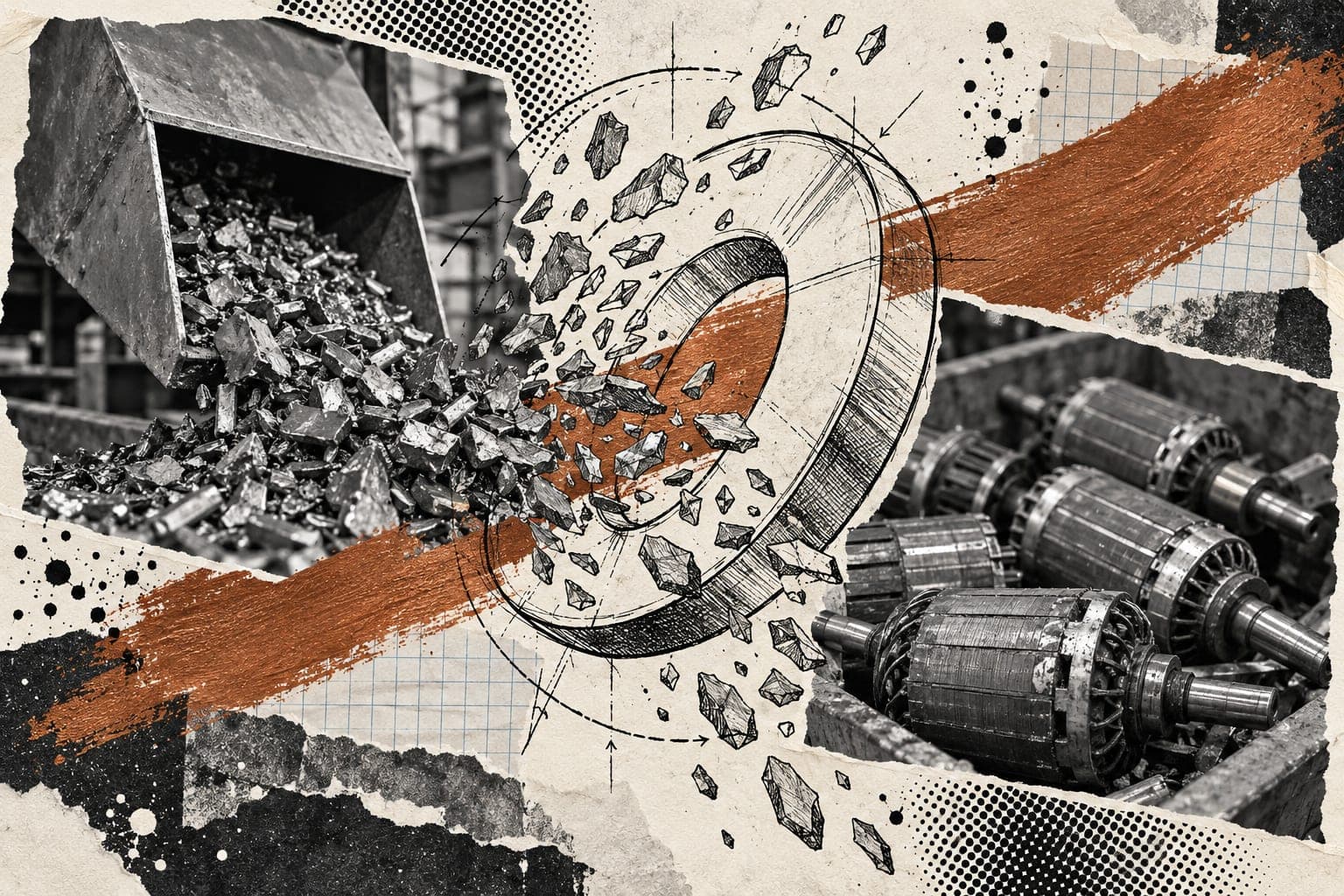
Neo calls the development Project GAUSS, short for Green Assets from European Union Strategic Supply. It would link rare-earth separation, conversion of oxides into metals and finished magnet manufacturing in Estonia.
The company said the outstanding checks include legal entity validation, a financial capacity assessment, a non-exclusion check, and ethics and security reviews.
The European Commission's Oct. 18 funding notice says grant preparation will finalise the budget, timetable, technical and financial deliverables, and legal responsibilities. Neo intends to update its capital estimate as project planning and engineering advance.
"This funding would help us further scale magnet production for European customers in wind energy, electromobility and industrial automation," Neo chief executive Rahim Suleman said in the release.
Magnet Capacity Would Rise To 5,000 Tonnes
The Phase 1B expansion would increase the European magnet facility's annual nameplate capacity from 2,000 tonnes to approximately 5,000 tonnes, according to Neo's Oct. 19 announcement. One third of the additional capacity would be allocated to EU offshore wind farms.
Silmet 2.0 would triple total rare-earth separation capacity, covering both light and heavy rare earths. The metallization stage would convert separated oxides into metals, placing another manufacturing step within the proposed integrated platform.
Neo also plans digital twins and artificial intelligence across separation, metallization and magnet manufacturing. The company says these systems would learn from plant data and operators to predict quality, improve resource use and translate validated findings into process control.
The peer expansion includes MP Materials Corp. NYSEMP, which announced its planned Northlake, Texas, magnet campus on Feb. 26. MP said the development would help bring total company magnet capacity to approximately 10,000 tonnes annually, with commissioning scheduled to begin in 2028.
Read more: Shenghe Resources proposes sale of rare-earth processing stakes
Neo expects Project GAUSS to take two to three years to complete. Its next dated step is the March 23, 2027 grant-signing timetable set by the European Climate, Infrastructure and Environment Executive Agency, known as CINEA; the final agreement will determine the funding terms.