ATHA extends Angilak uranium discovery by 300 metres with new Nunavut drilling
Six of the eight drill holes intersected uranium mineralization
 Joseph Morton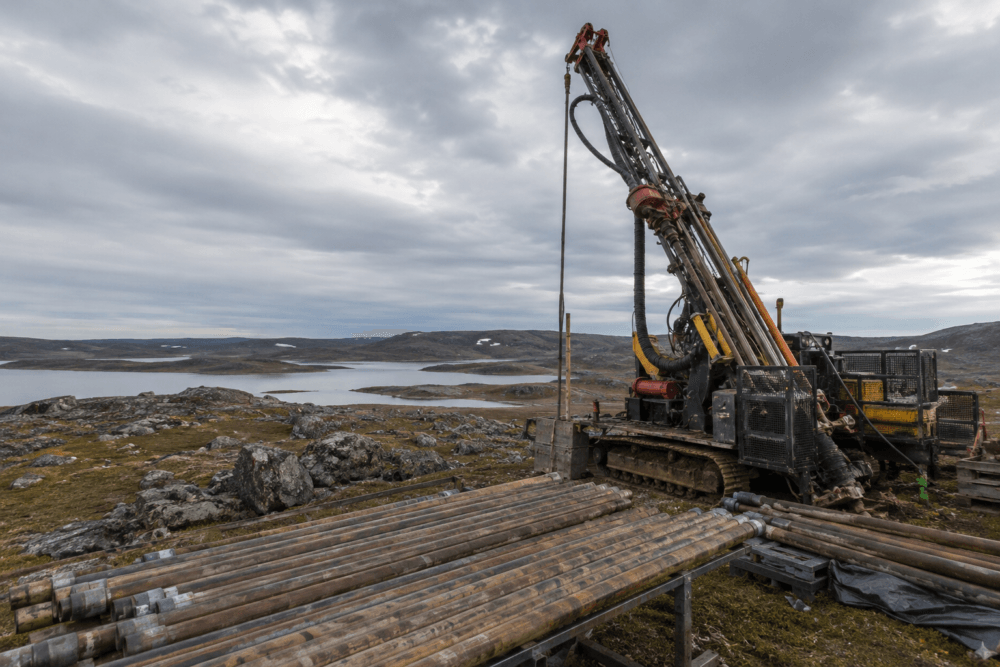
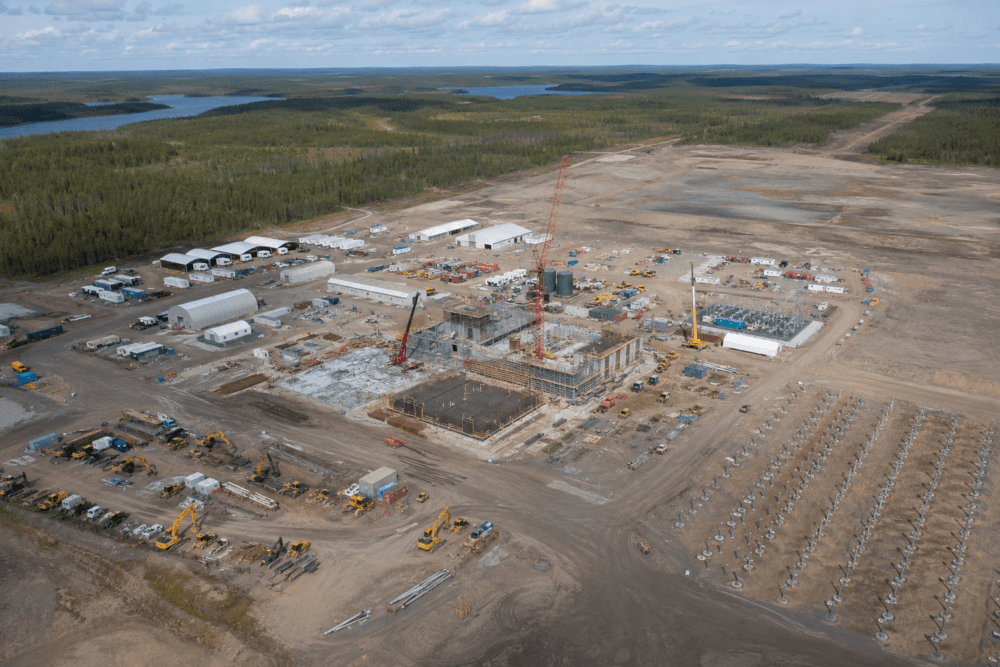
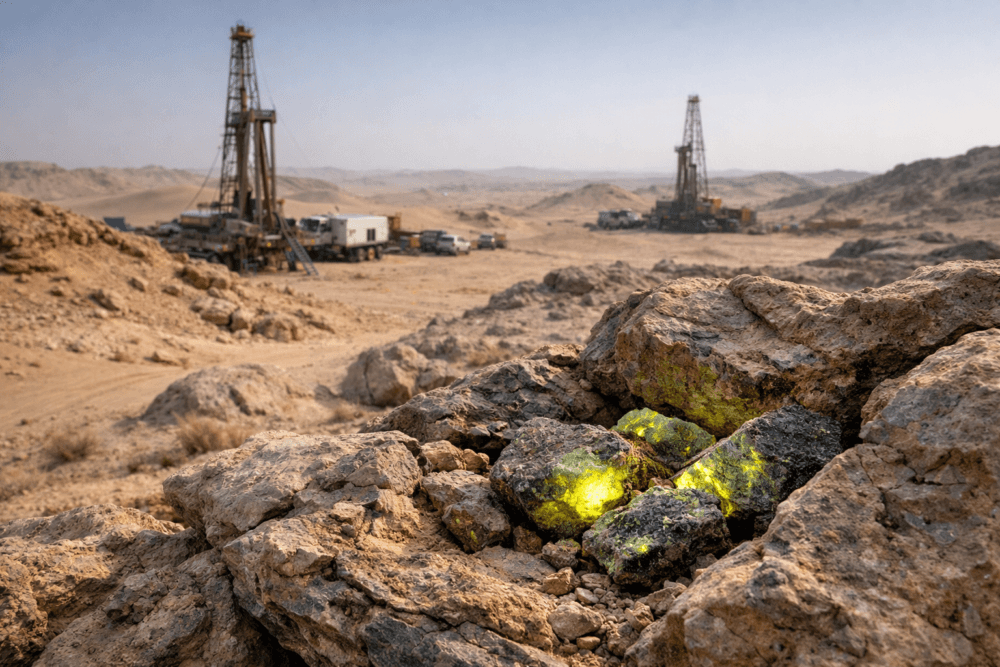
ATHA Energy Corp. CVESASK OTCMKTSSASKF reported new drilling results from its 2026 exploration program at the Angilak uranium project in Nunavut, extending the RIB North discovery by more than 300 metres while identifying a second mineralized structure about one kilometre away. The company said the early results support its geological model and suggest additional room for expansion across the property.
The results come from the first eight diamond drill holes completed at RIB North, where ATHA is testing widely spaced targets to determine how far the uranium system extends. Additionally, the company said the discovery remains open in every direction and will continue to be a priority throughout the current exploration season.
Six of the eight drill holes intersected uranium mineralization. However, drill hole RIBN-DD-003 delivered the strongest results from this batch.
That hole intersected 37 metres of composite uranium mineralization across 15 separate zones between 541.7 metres and 652 metres below surface. The broadest interval measured 8.5 metres and averaged 696 counts per second, reaching a peak reading of 4,612 counts per second.
Additionally, the highest grade section measured 4.5 metres with an average reading of 4,589 counts per second and a peak of 14,773 counts per second. The company said that interval included more than one metre of high grade uranium mineralization.
ATHA also discovered a second mineralized structure along the western side of the Mineralized RIB Corridor. The new east west trend lies roughly one kilometre from the main RIB North discovery area and adds another exploration target within the broader corridor.
Read more: Scientists warn future fusion reactors could secretly produce nuclear weapons material
Read more: AtkinsRéalis begins U.S. licensing process for CANDU nuclear reactor
ATHA plans to complete 20,000 metres of drilling
The company said both mineralized zones consist of basement hosted vein style uranium associated with altered rock, graphite bearing structures and silica rich zones. Furthermore, ATHA said the geological characteristics resemble basement hosted uranium deposits found in Saskatchewan’s Athabasca Basin, one of the world’s richest uranium producing regions.
Management said the latest drilling continues to support its interpretation of the mineralized system. Consequently, the exploration team plans to keep testing large step out targets rather than focusing on closely spaced drilling.
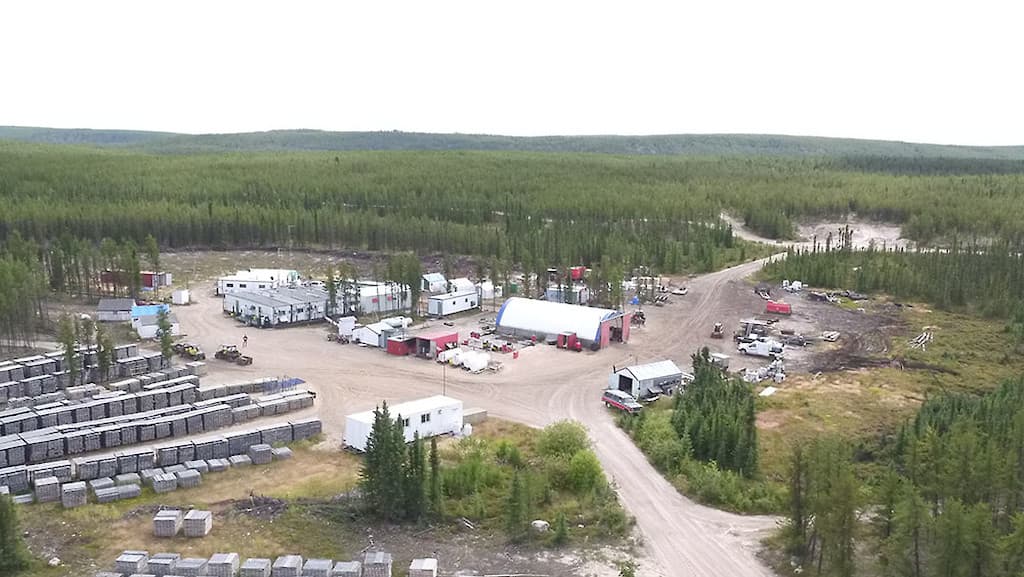
The 2026 Angilak exploration program represents the largest campaign ever completed on the property. Diamond drilling began on May 1 and is expected to continue through the end of September.
ATHA plans to complete about 20,000 metres of drilling using three diamond drill rigs. Meanwhile, an airborne Mobile MagnetoTellurics survey is scheduled to begin in early July. The company expects this three-dimensional inversion modelling to start in the fourth quarter of 2026.
The drilling campaign focuses on three main exploration corridors across the project.
The Mineralized RIB Corridor remains the primary target after last year’s drilling produced four uranium discoveries, including RIB North. In 2025, the maiden discovery hole intersected 34.7 metres of composite uranium mineralization, including grades reaching 8.16 per cent U3O8 over 0.5 metres.
Additionally, ATHA plans to drill the Lac 50 Deposit Corridor to test newly identified geophysical targets located along strike. The company also intends to expand the known mineralized footprint because it believes the deposit remains open.
Read more: 5 Junior Miners positioned to benefit from rising defence spending: A Mugglehead roundup
Read more: Clearwater River Dene Nation to launch Highway 955 checkpoint as uranium exploration grows
None of these corridors have been fully defined
Boisjoli also credited the company’s technical team for predicting the controls on uranium mineralization and intersecting mineralized zones during drilling. Furthermore, he said the current campaign represents only the beginning of the company’s largest exploration effort at Angilak.
He added that all active drill rigs are intersecting mineralization as work progresses across the property. He also said the Mineralized RIB Corridor stretches approximately 18 kilometres. This is while the Lac 50 Deposit Corridor extends about 21 kilometres and the KU-Nine Iron Corridor spans 14 kilometres.
According to Boisjoli, none of those corridors has been fully defined through drilling. Consequently, the company believes significant exploration potential remains across multiple targets.
Further drilling will target the KU-Nine Iron Corridor, where recent three-dimensional inversion modelling identified additional prospective areas. Those targets follow uranium mineralization intersected during the 2025 KU discovery and earlier drilling at the historic Nine Iron prospect.
In addition, ATHA will extend airborne geophysical coverage across the Angikuni Basin. The company said the survey will generate a detailed three-dimensional model designed to identify additional drill targets across the basin using the same exploration approach applied during the 2025 program.
.