Tailings spill reaches creek at Agnico Eagle's Detour Lake mine
Tailings are the finely ground rock and other material left after a mine extracts valuable minerals from processed ore
 Joseph Morton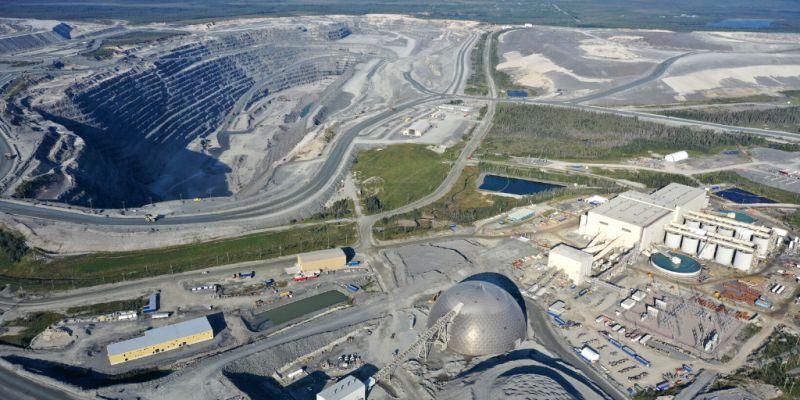
Agnico Eagle Mines Ltd. (TSE: AEM) (NYSE: AEM) is cleaning up a tailings spill after a pipeline cracked at its Detour Lake gold mine in northern Ontario.
The company said the pipeline failed on Aug. 29 while carrying treated mining waste from the processing plant. The material, known as detoxified process slurry, escaped into nearby Easter Creek before workers stopped the release.
Agnico Eagle said its spill detection system immediately alerted mine personnel to the problem. Workers subsequently inspected the affected area, isolated the damaged pipeline and stopped additional material from escaping.
Meanwhile, environmental crews began collecting samples and monitoring the area to determine how far the discharged material travelled. The company is also assessing potential effects on water and the surrounding environment.
Tailings are the finely ground rock and other material left after a mine extracts valuable minerals from processed ore. Mining companies typically mix the remaining material with water before moving it through pipelines into specially designed storage areas.
Additionally, Agnico Eagle has deployed containment, recovery and remediation measures around the affected area. The company said sampling results and field assessments will determine further cleanup requirements and whether longer-term environmental monitoring becomes necessary.
The company has not disclosed how much slurry entered Easter Creek or the size of the affected area. However, Agnico Eagle said the immediate pipeline shutdown prevented further material from reaching the creek.
Detour Lake sits in northeastern Ontario within the northernmost portion of the Abitibi Greenstone Belt, northeast of Timmins. Furthermore, the open-pit operation ranks as Canada’s largest gold-producing mine and contains the country’s largest gold mineral reserves.
Read more: NevGold adds new CFO ahead of Limousine Butte engineering study
Read more: NevGold files technical report backing Limousine Butte gold-antimony resource
Similar pipeline failures have happened multiple times before
Agnico Eagle said it continues working with regulators and Indigenous partners while investigating the pipeline failure. In addition, the miner plans to use findings from the investigation to inform its ongoing operations and environmental management practices.
Tailings pipeline leaks represent a known risk at large mining operations, which often move substantial volumes of processed material between plants and storage facilities. Mines typically use monitoring systems, inspections and containment measures to detect and control releases. However, incidents become more environmentally significant when tailings escape the mine site and enter natural waterways. Such releases can affect water quality, aquatic habitat and sediment depending on the volume and chemical composition of the material.
Similar pipeline failures have released mine tailings into waterways elsewhere in North America. In 1990, a broken tailings pipeline at Ontario’s Golden Giant gold mine discharged tailings and water into Cedar Creek. The operator later received a CAD$7,000 fine for failing to report the incident promptly. Meanwhile, a ruptured pipeline at New Mexico’s Chino copper mine released about 3,200 gallons of tailings into Whitewater Creek in 1991. Six additional pipeline failures released 208 tons and 91,500 gallons into the creek in 1993, according to the U.S. Environmental Protection Agency.
.