NuScale manufactures first‑of‑a‑kind safety pellets for SMR technology
This gives NuScale another opportunity to test production methods before it begins building components for commercial reactors
 Joseph Morton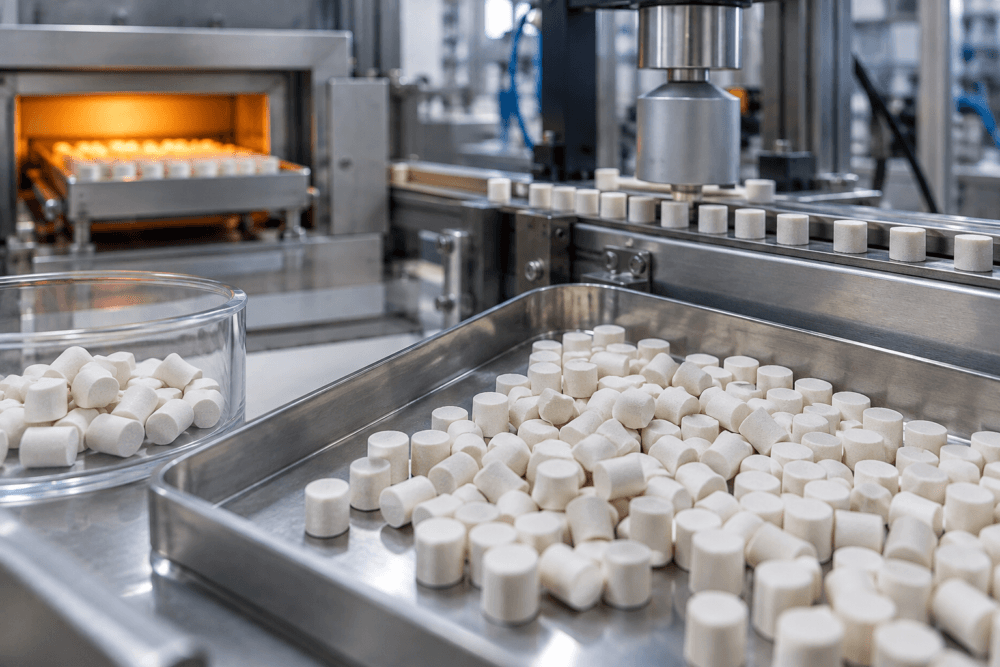
NuScale Power Corporation NYSESMR has successfully manufactured specialized safety components as it moves its small modular nuclear reactor technology closer to commercial deployment.
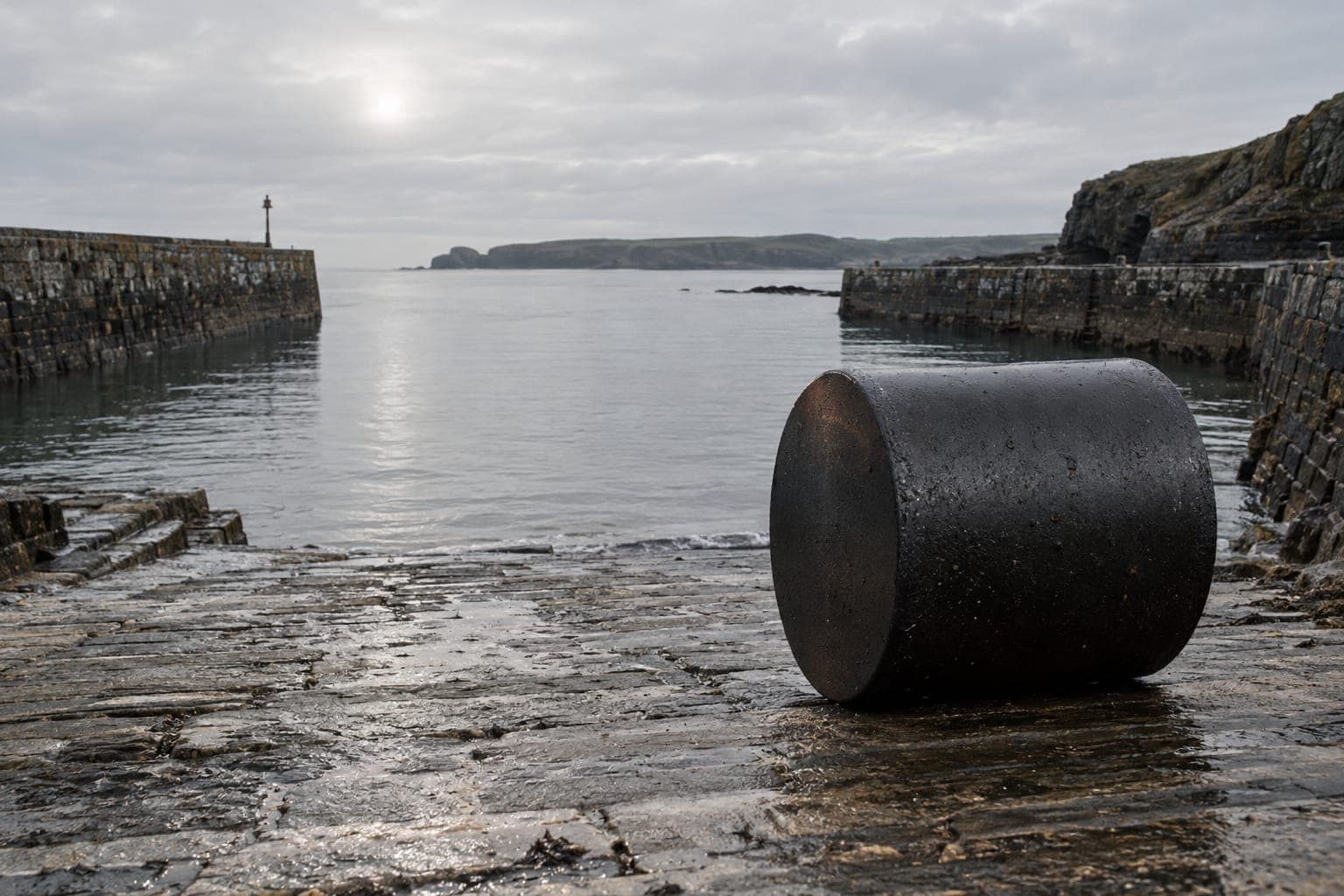
The company worked with advanced nuclear materials manufacturer MillenniTEK to produce first-of-a-kind boron-oxide pellets for its reactor design, according to a Tuesday release. The pellets form part of NuScale’s passive emergency core cooling system, which helps keep the reactor stable during an emergency.
Additionally, the manufacturing milestone gives NuScale another opportunity to test production methods before it begins building components for commercial reactors. The company is developing supply chains and manufacturing processes alongside its continuing engineering work.
Small modular reactors, commonly called SMRs, produce nuclear power using smaller reactors than conventional nuclear plants. Manufacturers can potentially build many components in factories before transporting them to generating sites.
NuScale has designed its system around a 77-megawatt reactor called the NuScale Power Module. Customers could combine several modules at one location depending on their electricity requirements.
However, commercializing the technology requires more than completing the reactor’s engineering design. NuScale also needs manufacturers capable of repeatedly producing specialized components that meet strict nuclear industry standards.
The boron-oxide pellets represent one example of those specialized components. NuScale designed them for use in its emergency core cooling system, or ECCS.
The ECCS provides cooling and helps control the reactor following certain abnormal operating conditions. Furthermore, NuScale designed the system to operate without requiring immediate action from plant workers.
If operators activate the system, the pellets dissolve into water circulating through the reactor. The dissolved boron absorbs neutrons, which helps suppress the nuclear chain reaction and keep the reactor core stable.
Read more: US Energy Department selects five states for nuclear fuel campuses
Read more: Cameco backs USD$17.5B U.S. reactor financing plan
NuScale emphasizes safety systems that rely on gravity or natural water
That function provides another layer of protection while the emergency cooling system removes heat from the reactor. Consequently, producing pellets with the required characteristics represents part of preparing the overall safety system for eventual production.
NuScale and MillenniTEK have also worked to develop manufacturing methods capable of supporting future reactor projects. That includes preparing production processes for components that may eventually require manufacturing at commercial scale.
Meanwhile, NuScale continues working on engineering, supply chain development and plans for future customer deployments. Building manufacturing capacity early could reduce production risks once customers begin ordering reactor components.
NuScale remains one of the most advanced American developers attempting to commercialize small modular nuclear reactors. Its technology has also passed a regulatory hurdle that competing American SMR developers continue working toward.
The U.S. Nuclear Regulatory Commission approved NuScale’s original 50-megawatt SMR design in 2020. Subsequently, the regulator approved the company’s larger 77-megawatt US460 standard design in May 2025.
The US460 design combines six NuScale Power Modules to provide up to 462 megawatts of electricity. Each module contains its reactor vessel, steam generator and other equipment within a compact integrated system.
NuScale emphasizes passive safety systems that rely on physical forces such as gravity and natural water circulation. These systems reduce dependence on electrically powered pumps and other active equipment during some emergencies.
In addition, the modular approach allows customers to add generating capacity according to their individual power requirements. Potential applications include utility grids, industrial facilities and energy-intensive operations requiring dependable electricity.
Read more: US Energy Department selects five states for nuclear fuel campuses
Read more: Nuclear Regulatory Commission moves to eliminate 50-year-old radiation protection standard
NuScale suffered major setback in Utah
The nuclear industry has increasingly promoted SMRs as an alternative to large conventional reactors. Developers argue that standardized factory production could eventually reduce construction complexity, costs and lengthy project schedules.
However, SMR developers still face significant challenges before achieving widespread commercial deployment. Those include financing projects, establishing supply chains and proving that factories can manufacture components economically at scale.
NuScale suffered a major setback in 2023 when its planned Utah Associated Municipal Power Systems project was cancelled. Rising projected costs made the proposed Idaho nuclear power project increasingly difficult for participating utilities to support.
Since then, the company has continued pursuing other potential customers while developing its commercial manufacturing capabilities. Additionally, NuScale has positioned its reactors for growing electricity demand from industrial facilities and data centres.
The MillenniTEK work moves one specialized component from engineering requirements into physical manufacturing. Further production work will determine how NuScale can incorporate the pellets into its broader commercial reactor supply chain.
.