
Propanc Biopharma Inc (NASDAQ: PPCB) shares more than doubled on Aug. 27 after the company reported strong results for its lead cancer drug, PRP, in pancreatic cancer models. Heavy trading followed as investors piled in.
PRP is a fixed mix of two natural pancreatic proenzymes — trypsinogen and chymotrypsinogen. In the latest animal studies, three-times-weekly doses cut tumour growth by more than 90 per cent compared with untreated controls. Treated animals also lived more than two and a half times longer, according to the firm, though the sample size has not been specified. The drug reduced the spread of cancer to the liver and other sites and made resistant cells more responsive to standard chemotherapy.
The treatment is designed to push aggressive cancer cells back toward a more normal state and to target the cells that drive spread and return of the disease. Although these latest results build on earlier work that already showed more than 85 per cent tumour growth inhibition, the stock still soared on Thursday. A small number of very sick patients have also received related enzyme treatments outside formal trials when other options had run out, with some signs of longer survival.
The United States Food and Drug Administration has granted PRP orphan drug status for pancreatic cancer. That designation is meant to encourage development of medicines for rare or poorly served conditions by offering benefits such as a period of market exclusivity. It does not necessarily guarantee approval or faster timelines though.
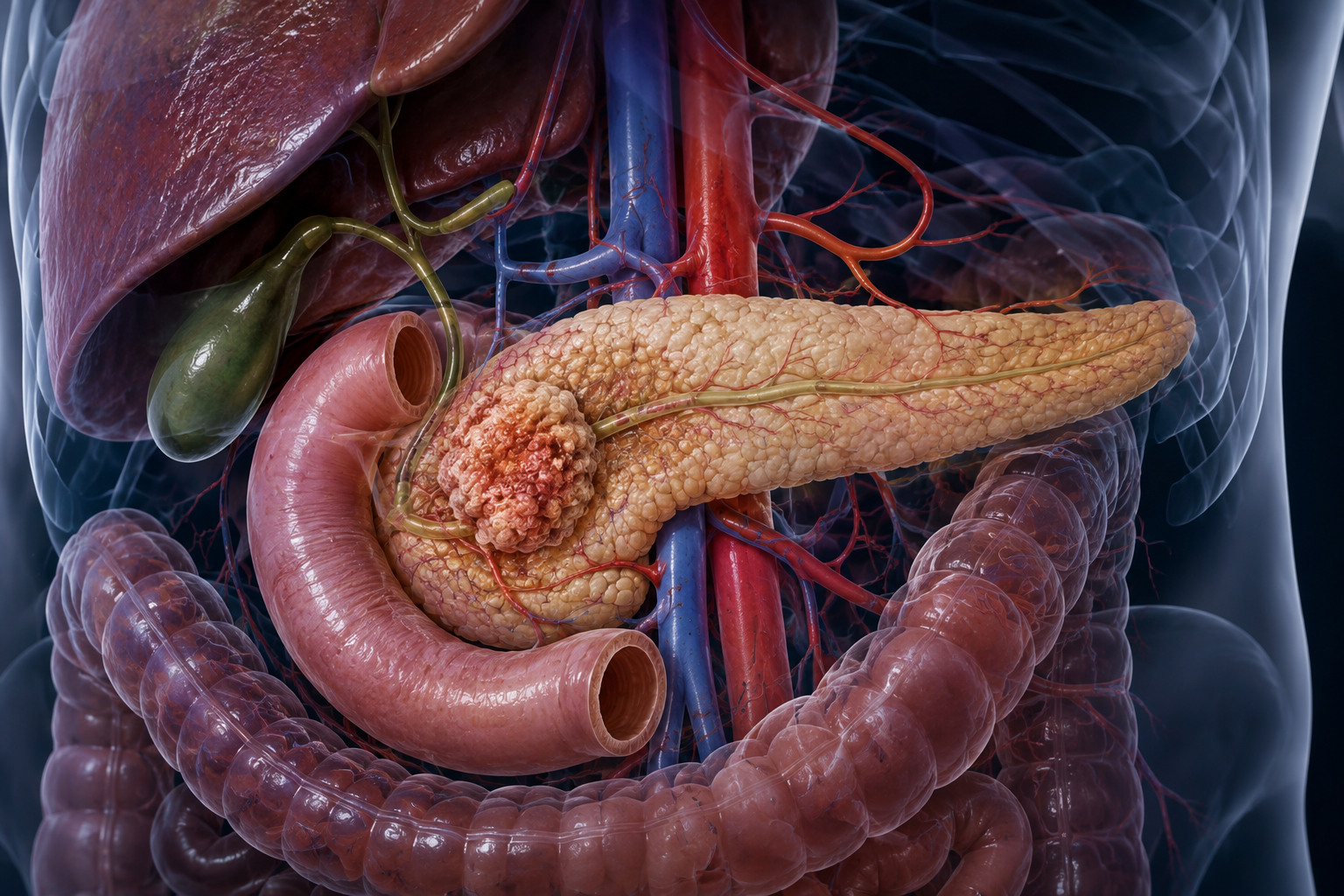
Pancreatic cancer remains one of the toughest cancers to treat. The American Cancer Society puts the five-year relative survival rate for all stages combined at merely 13 per cent. Most patients are diagnosed after the disease has already spread, leaving few lasting options. Currently, pancreatic cancer is the third-leading cause of cancer death in the U.S with roughly 52,000 losing their lives per annum.
Read more: Breath Diagnostics advances pre-op pneumonia screening with FDA breakthrough designation
Broader scope and competitors
This work sits inside Propanc’s wider plan to develop treatments that stop solid tumours from returning and spreading. PRP is the lead candidate for pancreatic, ovarian and colorectal cancers. The company is preparing a Phase 1b first-in-human study of PRP in about 40 to 45 patients with advanced solid tumours. A clinical trial application is expected in the coming months. Manufacturing and assay work are already under way.
Two other companies in the same field are Revolution Medicines Inc (NASDAQ: RVMD) (FRA: 42Z), which recently gained approval for its rat sarcoma (RAS)-targeted drug daraxonrasib after strong Phase 3 results; and Immuneering Corp (NASDAQ: IMRX), which is advancing its own programmes for similar hard-to-treat cancers. RAS genes are frequently mutated in pancreatic cancer and help drive tumour growth. Propanc argues that PRP works by a different route and is not limited to specific RAS mutations.
“This milestone reflects nearly two decades of research, formulation development and manufacturing process work by our team,” said CEO James Nathanielsz this week, “and we look forward to sharing further updates as we advance toward the clinical trial application submission and GMP manufacture of PRP this year.”
Financial position and future outlook
Propanc remains an early-stage company with limited cash and ongoing losses. As of Mar. 31, it held roughly US$444,000 in cash against total assets of about US$14.3 million.
It has started a US$5 million share repurchase programme and completed the first US$500,000 tranche. Management said it launched the buyback because it believed the share price understated the company’s value and that buying back stock was a better use of capital than other options at the time.
The latest data and a clearer path to human trials may help the firm attract further funding and partnerships as it tries to move PRP forward as a possible new option for patients with few alternatives.
Read more: Prestigious medtech intelligence firm recognizes Breath Diagnostics for innovation
Follow Rowan Dunne on LinkedIn
rowan@mugglehead.com