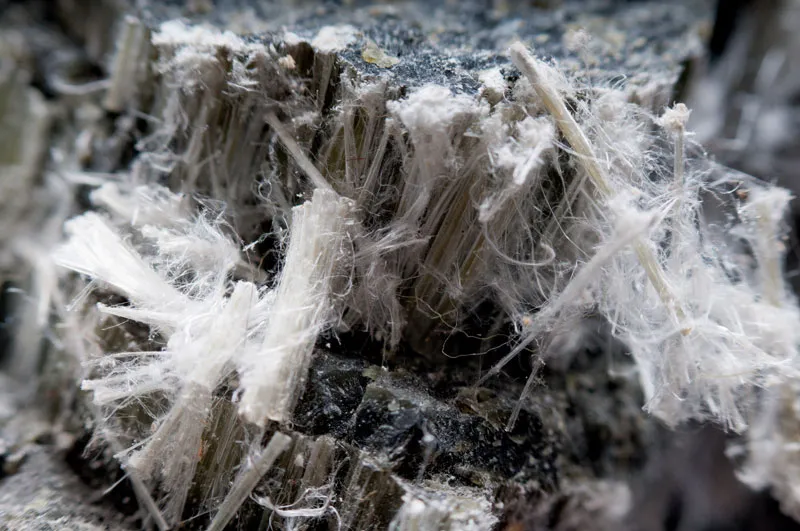

Asbestos and its lingering toxic legacy is currently in the spotlight. It continues to pose a grave danger to those exposed and may be even more toxic than once believed. Incidents of litigation associated with exposure to the material are also at a record high.
On Jun. 2, researchers at Australia’s Curtin University published a study that shows current lung cancer screening efforts often overlook people exposed to asbestos. This gap puts many at risk of late diagnoses and poorer outcomes.
The study, published in Occupational and Environmental Medicine, looked at a group of over 2,100 people in Western Australia’s Asbestos Review Program. These individuals had clear past exposure to asbestos, often from jobs in construction or manufacturing. Many were former smokers or had never smoked.
Researchers tested common risk prediction tools and screening rules, such as those from the US Preventive Services Task Force and models like PLCO and Liverpool Lung Project. They found that these tools mostly underestimated the actual lung cancer risk in this group. In the cohort, 51 people (about 2.4 per cent) developed lung cancer. The models performed only modestly well and failed to properly factor in asbestos history, especially when combined with any smoking.
Lead author Chellan Kumarasamy and senior author Dr. Kim Betts stressed that asbestos remains a big driver of lung cancer in Australia, yet screening programs focus heavily on smoking alone. Without better ways to identify and include those with asbestos exposure, such as stronger job history checks, thousands could miss early detection when treatments work best.
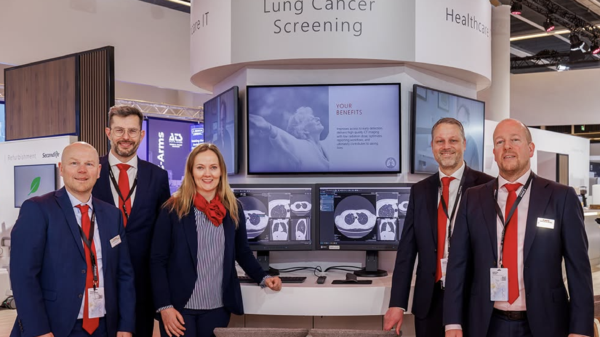
Thankfully, new and simpler screening tools are advancing quickly. These could make testing far more convenient than traveling for a low-dose CT scan and meeting strict criteria.
Companies like Guardant Health Inc (NASDAQ: GH) (FRA: 5GH) develop blood tests that detect signs of lung cancer through a simple blood draw. BioMark Diagnostics Inc (OTCMKTS: BMKDF) (CNSX: BUX) also works on similar blood-based options.
Furthermore, emerging breath tests from medtech developers like Breath Diagnostics and Vocxi Health offer quick, non-invasive checks that could eventually reach more people exposed to asbestos and help catch linked lung cancer earlier. Though not commercially available yet, they show great promise.
Read more: Breath Diagnostics advances pre-op pneumonia screening with FDA breakthrough designation
Research comes amid record asbestos lung cancer claims
The Curtin study comes out as highly concerning statistics emerge globally. Asbestos-linked lung cancer legal claims have reached record highs in the United States. In 2025, filings hit 1,714 cases, marking a 48 per cent jump from a decade earlier.
Lung cancer claims now account for about 40 per cent of all asbestos litigation, up from roughly 25 per cent in 2016. This rise reflects the long delay, often 15 to 30 years, between exposure and diagnosis. Workers from past decades in shipyards, construction and manufacturing continue to face health effects today.
Experts note that while mesothelioma cases still dominate headlines, lung cancer claims grow steadily. Successful lawsuits often rely on work records, medical evidence and expert testimony showing asbestos as a key factor, even alongside smoking. Compensation helps cover treatments and lost income.
Additional research shows asbestos may be even deadlier
Recent findings have suggested that asbestos could cause far more deaths than experts once estimated.
Analyses indicate the toxic mineral may kill up to four times more people than previous figures showed, highlighting its ongoing public health threat even after heavy restrictions in many countries.
This alarming finding came to light this week as part of the Daily Mail’s ongoing “Britain’s Hidden Killer” campaign, which shines a spotlight on asbestos dangers in buildings and underreported deaths. A new analysis highlighted in the campaign suggests official figures greatly underestimate the true toll. The reporting draws on emerging research and calls for stronger action to remove remaining asbestos from public buildings and improve tracking of related diseases.
This emerging ugly picture underscores the urgent need for better screening, awareness and prevention efforts.
Read more: Prestigious medtech intelligence firm recognizes Breath Diagnostics for innovation
Follow Rowan Dunne on LinkedIn
rowan@mugglehead.com