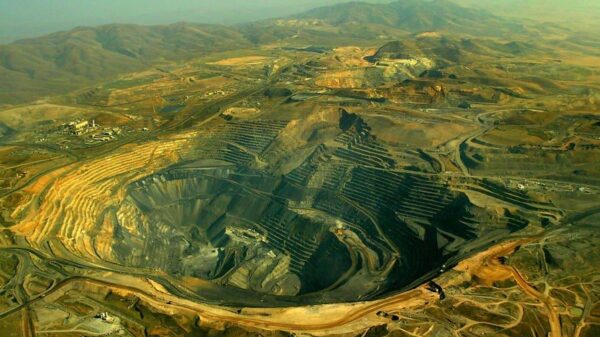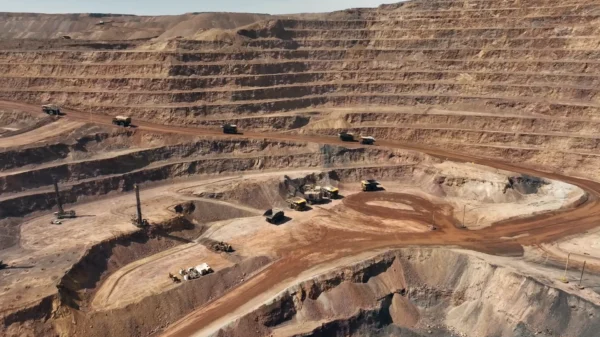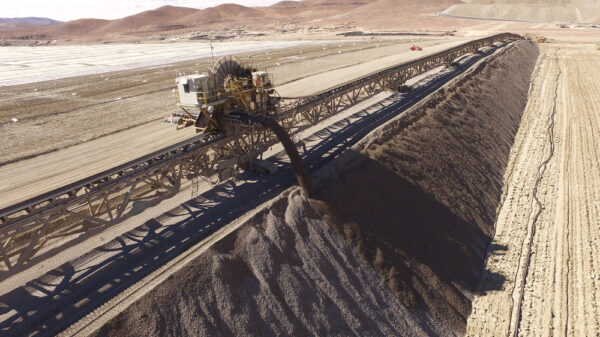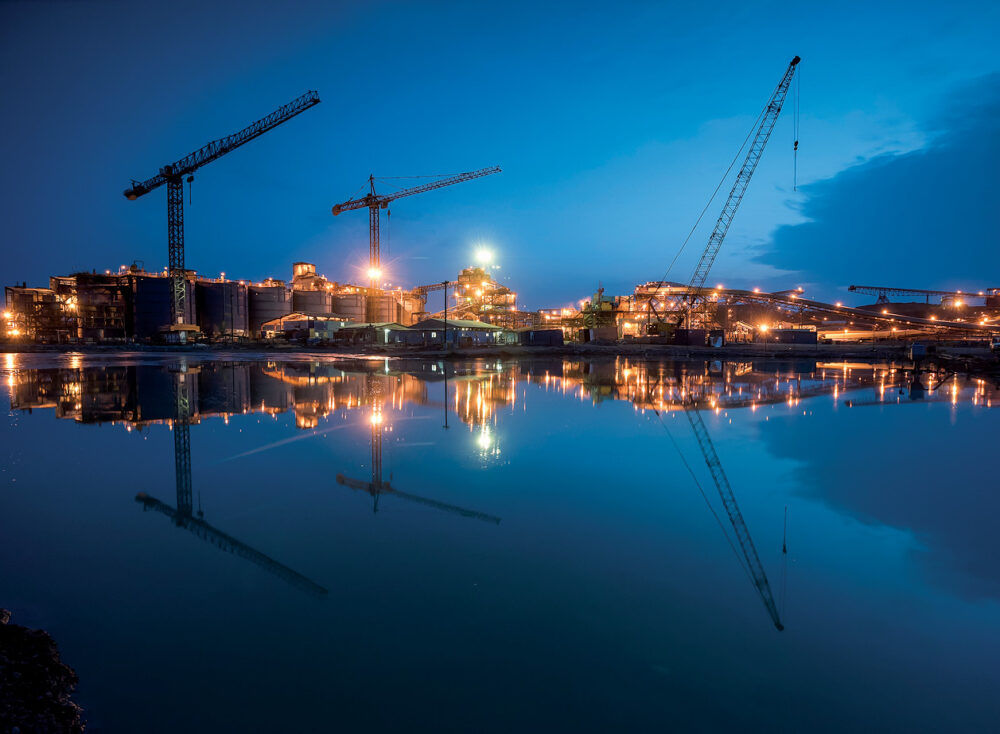

Burkina Faso has shifted control of much of its gold sector to domestic and state-backed operators as the West African country pushes for greater economic independence from foreign mining firms.
The country spent the past three years restructuring mine ownership across its industrial gold industry. By the end of 2025, Burkinabe companies controlled six of the nation’s 15 active industrial gold mines, according to mining publication Mines Actu Burkina.
Additionally, the state now directly controls three of those operations through the Burkina Faso Mining Participation Company, known as SOPAMIB. The move represents a major change for a sector long dominated by multinational mining firms.
APANews reported that foreign companies historically controlled most industrial gold production and retained much of the sector’s profits. However, President Ibrahim Traoré has increasingly promoted resource control as a pillar of Burkina Faso’s political and economic strategy.
During the launch of a national gold refinery project in 2023, Traoré said Burkina Faso planned to handle more gold extraction itself rather than relying heavily on foreign operators.
Before Traoré’s administration took power, only one industrial mine operated under national ownership, according to Mines Actu Burkina. Meanwhile, domestic investors have started expanding more aggressively into the sector.
Businessman Inoussa Kanazoe and his Soleil Resources International group reportedly acquired the BMC and Roxgold mines as part of that shift. Additionally, authorities said the reforms aim to keep a larger share of mining revenues inside Burkina Faso.
Officials believe stronger domestic ownership could help fund infrastructure, industrial development and other national projects. Furthermore, the strategy aligns with a wider trend across Africa as governments seek tighter control over strategic mineral resources.
Read more: NevGold pushes toward potential 2027 antimony production at Limousine Butte
Read more: NevGold reports more positive drill results as gold-antimony resource estimate nears
Mali went head to head with Barrick Mining in 2025
Several countries across the continent have pushed resource nationalism policies amid rising geopolitical competition and ongoing security concerns.
Resource nationalism policies have accelerated across several African mining jurisdictions as governments push for larger ownership stakes. This has also included higher taxes and tighter control over strategic resources. Countries including Mali, Niger, Guinea, Tanzania and the Democratic Republic of Congo have all introduced reforms aimed at increasing state revenue from mining and energy projects.
Mali became one of the clearest examples of that shift during its prolonged dispute with Barrick Mining Corp (TSE: ABX) (NYSE: B) (ETR: ABR0). The conflict centered on the Loulo-Gounkoto gold complex after Mali introduced a revised mining code that increased taxes and expanded state ownership rights.
Additionally, tensions escalated sharply in 2025 after Malian authorities seized gold stocks, detained Barrick employees and temporarily placed the operation under provisional administration. Barrick subsequently suspended operations at the mine and removed the complex from its 2025 production guidance.
The dispute contributed to a major decline in Mali’s industrial gold production during 2025. Output reportedly fell by more than 30 per cent by August after disruptions at the Loulo-Gounkoto operation.
However, Mali and Barrick eventually reached a settlement agreement in late 2025 after nearly two years of negotiations and arbitration threats. The agreement reportedly resolved disputes over taxes, ownership and operational control.
Meanwhile, Guinea has also increased pressure on foreign mining companies in recent years. Authorities there have pushed operators to refine more minerals domestically instead of exporting raw materials overseas. Niger has similarly tightened state control over uranium assets following political upheaval and growing anti-Western sentiment.
.