Rastafarian bid for religious cannabis use rejected by Kenyan court
A legal representative said they will appeal against the ruling
 Rowan Dunne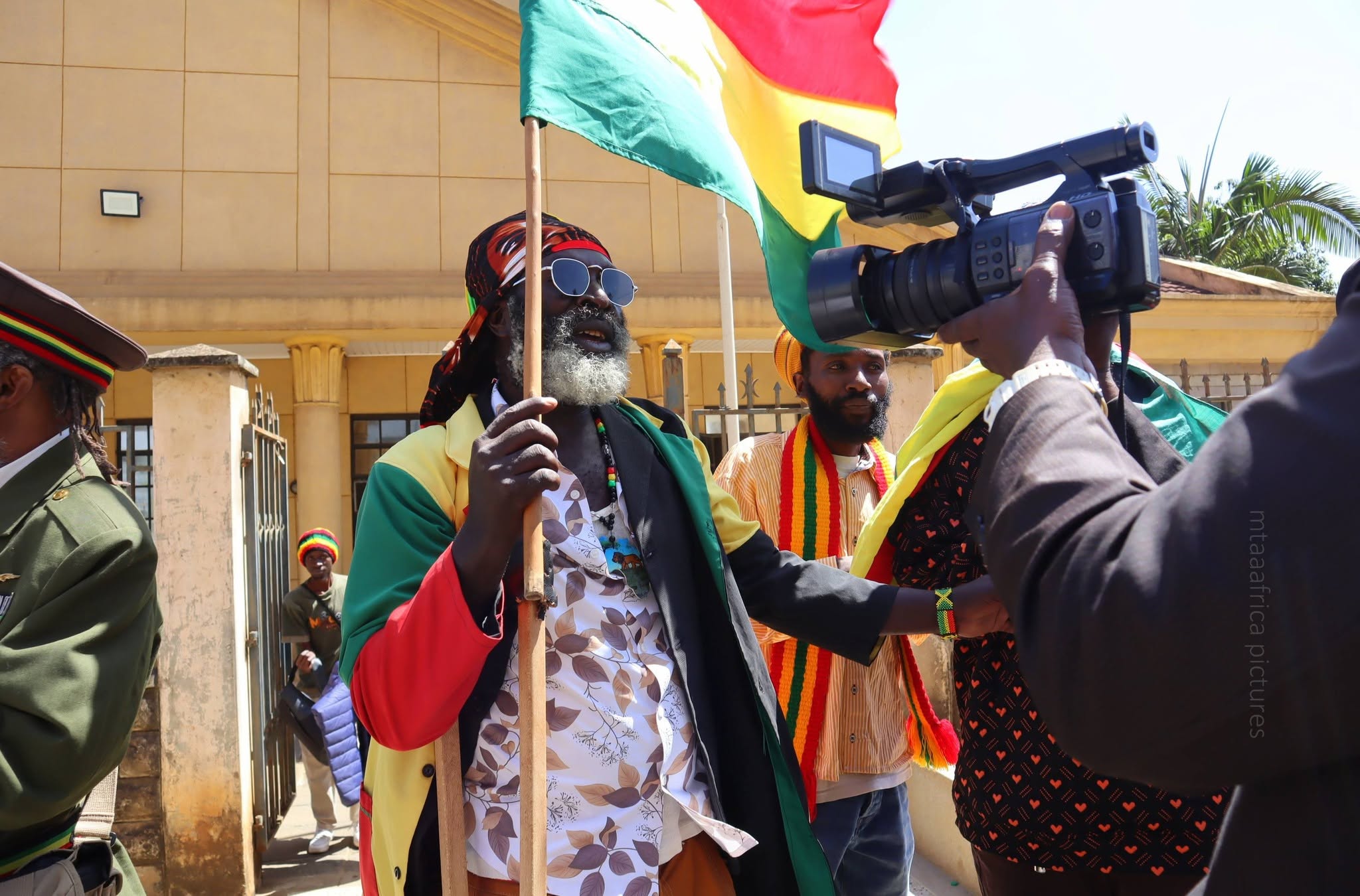
While some religious communities worldwide have won exemptions to use cannabis or psychedelics for their rituals, governments do not always extend the same tolerance.
Kenya’s High Court recently rejected the Rastafari Society of Kenya’s bid for a religious exemption to cultivate, possess and use cannabis. Justice Bahati Mwamuye ruled that the petitioners failed to prove the country’s strict drug laws violate their constitutional right to freedom of religion. He also deemed the evidence on cannabis as an essential element of the faith inconsistent and insufficient.
The society filed the petition around 2021, arguing that cannabis serves as a sacred sacrament for worship, meditation and connection with Jah (God). They sought a limited private exemption for use in homes and designated worship sites, not full legalisation.
The state opposed the move, warning that any exemption would undermine anti-drug enforcement and open loopholes for trafficking. This decision marks a setback in the group’s six-year legal effort, following an earlier court win that recognised Rastafarianism as a protected religion in Kenya.
The society now plans to appeal. Their lawyer, Danstan Omari, expressed determination to reverse the ruling. He believes doing so would restore dignity to the community, noting that Kenya should not harass Rastafarians when other nations show more flexibility.
“Although the ruling did not go in our favour, the Rastafari Society of Kenya remains steadfast in pursuing the religious rights and freedoms of the Rastafari community,” the group said on social media after extending gratitude to the High Court for its time and consideration.
Under Kenya’s Narcotic Drugs and Psychotropic Substances Act, possession of cannabis for personal use carries penalties of up to five years in prison or a fine of around US$800. Cultivation attracts stiffer sanctions, including fines of US$1,900 or more and up to 20 years’ imprisonment. Trafficking has even harsher consequences.
These rules remain among Africa’s more prohibitive. South Africa decriminalised private use and cultivation following a 2018 constitutional ruling, and Zimbabwe legalised cannabis for medicinal and industrial purposes in the same year to boost its economy. Many other African nations maintain bans or move slowly toward reform, but Kenya stands out for its firm enforcement stance amid growing domestic calls for debate on jobs, revenue and medicinal potential.
Read more: Unlikely culprits: 22 Buddhist monks arrested in Sri Lanka for smuggling cannabis
Significance of cannabis in the Rastafarian tradition
Rastafarianism emerged in Jamaica in the 1930s, inspired by Ethiopian Emperor Haile Selassie I (Ras Tafari) as a symbol of black empowerment and resistance to colonialism.
Practitioners view cannabis/ganja as a holy herb mentioned in the Bible. They feel that its use aids their meditation, heightens spiritual awareness and brings them closer to the divine.
Smoking during “reasoning” sessions promotes clarity, community bonding and rejection of Babylon (oppressive systems), according to Rastas. Dreadlocks and ganja both symbolise natural living and defiance against conformity, in their view. Not all followers of the religion consume marijuana though.
Rastafarianism draws deeply from biblical teachings, with followers interpreting passages such as Genesis 1:29 and Psalms 104:14 as divine endorsement of cannabis as a sacred herb provided by God for humanity’s benefit. They view Haile Selassie as the fulfilment of prophecies in Revelation.
This ruling highlights tensions between religious freedom and Kenya’s strict drug policies.
“Smoking marijuana is a part of our culture,” said a representative from the Rastafari Society of Kenya earlier this month, “so we have to defend it in a court of law.”
Unlike the U.S. Supreme Court’s acceptance of Native American peyote use or Brazil’s formal recognition of ayahuasca in Santo Daime rituals, Kenya’s court demanded evidentiary proof of sacramental necessity. The Rastafari society failed to clear this bar, but it is not giving up hope.
Read more: In Nepal, cannabis becomes an acceptable sacred haze on one special day
Follow Rowan Dunne on LinkedIn
rowan@mugglehead.com