Tumour freezing specialist IceCure Medical skyrockets from latest successes
The Israeli medtech company has been helping breast cancer patients avoid surgery
 Rowan Dunne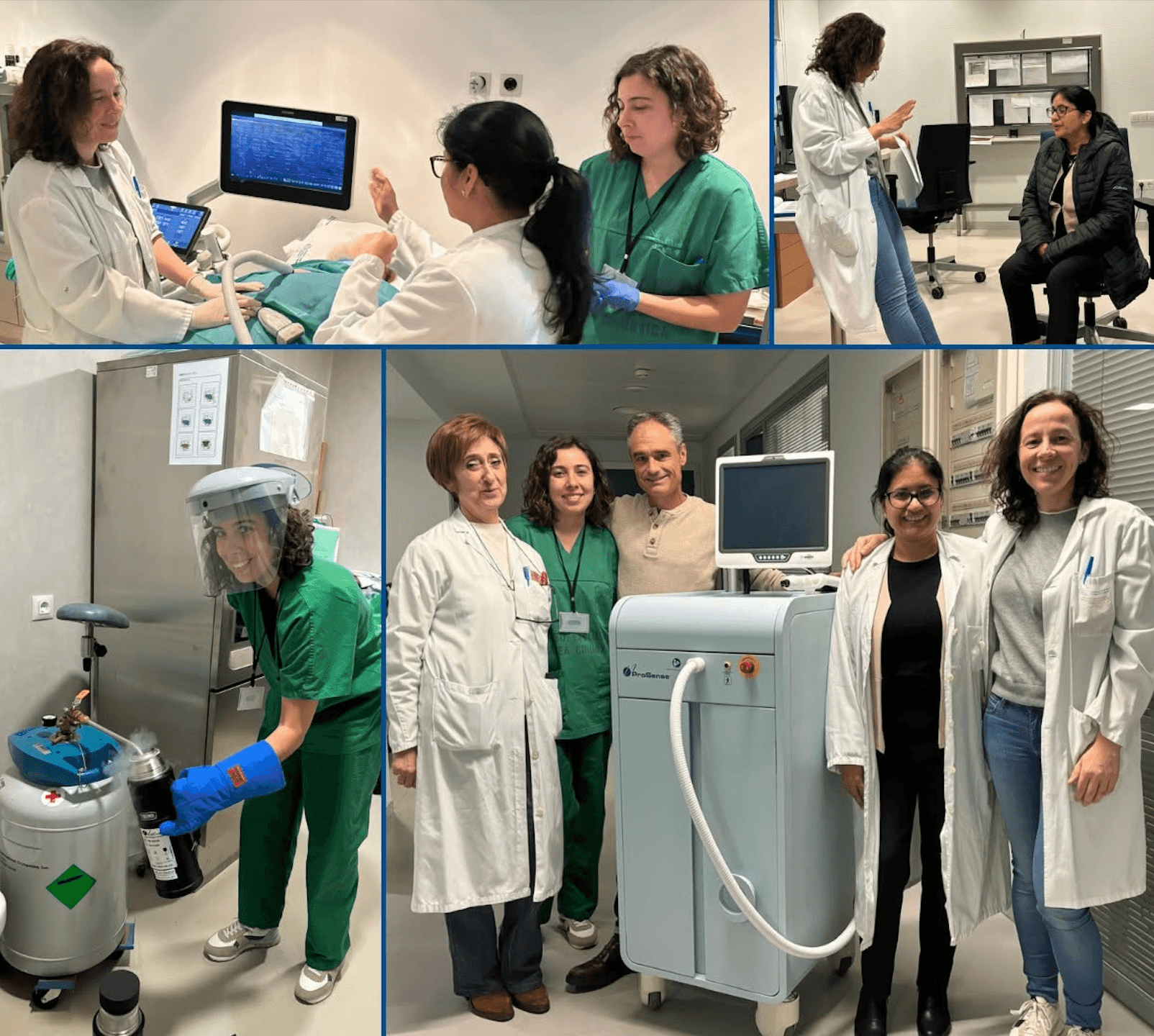
IceCure Medical Ltd‘s (NASDAQ: ICCM) recent wins have sent its shares soaring, turning heads in the investment world as investors bet on a less invasive future for breast cancer care.
On Jun. 17, the company announced a 70 per cent jump in its active American commercial install base for its ProSense system following attaining FDA marketing authorisation in October. On the same day, IceCure revealed a US$5.5 million private placement with a single healthcare-focused institutional investor priced at a premium.
These developments sparked massive investor excitement. The stock surged roughly 200 per cent in one session, marking one of its strongest days in years.
ProSense works by freezing tumours with liquid nitrogen. Doctors insert a thin probe into the tumour, often guided by imaging. The extreme cold destroys the cancer cells while sparing more healthy tissue than traditional surgery.
The system stands out for its portable design. It offers a quicker recovery, less pain and fewer complications for suitable patients. Recent successes include strong physician demand and procedures now performed in major U.S. cities like New York, Los Angeles and Philadelphia.
Media coverage on CBS stations has boosted patient awareness. The American Society of Breast Surgeons also updated its guidelines to recommend cryoablation for low-risk cases.
Limitations do exist
The FDA clearance targets low-risk breast cancer in women aged 70 and older, often alongside hormone therapy, and not all patients qualify. It serves as an alternative to surgery rather than a universal replacement. Broader adoption will depend on more clinical data and reimbursement progress.
Founded in Israel in 2006, IceCure focuses on cryoablation technology for various tumours. It has built regulatory approvals in 27 countries and partners globally, including with Terumo Corp (OTCMKTS: TRUMF) (FRA: TUO) in Japan. It currently has 54 patents granted worldwide.
Financially, IceCure remains in a growth phase with limited revenue. It reported about US$3.4 million in trailing twelve-month sales and a net loss position typical for a commercialising medtech firm. Cash stood at roughly US$8.1 million at the end of Q1 this year before the new placement, which will support working capital and expansion.

И снова Израиль побеждает рак Израильская технология, уничтожает опухоли, замораживая их, без хирургии и радиации. Система ProSense от IceCure Medical использует криоабляцию: крошечная игла подает экстремальный холод (жидкий азот) для точного замораживания и уничтожения раковых Show more
Read more: Breath Diagnostics advances pre-op pneumonia screening with FDA breakthrough designation
Israel’s medtech might
This small Middle Eastern nation punches well above its weight in the medtech sector. Israel accounts for a striking number of publicly listed companies on major U.S. exchanges. As of recent data, around 100 to 135 Israeli companies trade on Nasdaq (with historical figures showing over 250 IPOs since the 1980s). This makes Israel one of the top foreign countries by listings after the U.S. and China.
Israeli-founded or headquartered firms represent a notable share of foreign healthcare and device companies on Nasdaq and NYSE, often highlighted for the highest per-capita impact internationally. The country hosts over 1,600 active life science firms, many focused on medical devices. Exports and investments remain robust despite the small domestic market.
Other prominent examples include InMode Ltd (NASDAQ: INMD) (FRA: 154), known for radio-frequency devices used in aesthetic and surgical procedures; and BrainsWay Ltd (OTCMKTS: BRSYF), which offers non-invasive deep brain stimulation treatments for mental health conditions like depression.
Read more: Prestigious medtech intelligence firm recognizes Breath Diagnostics for innovation
Follow Rowan Dunne on LinkedIn
rowan@mugglehead.com