Telescope Innovations receives two firm orders for self-driving labs
The systems are headed to the United States and Europe, but the company did not disclose the buyers, prices or payment terms.
 Julian Okafor
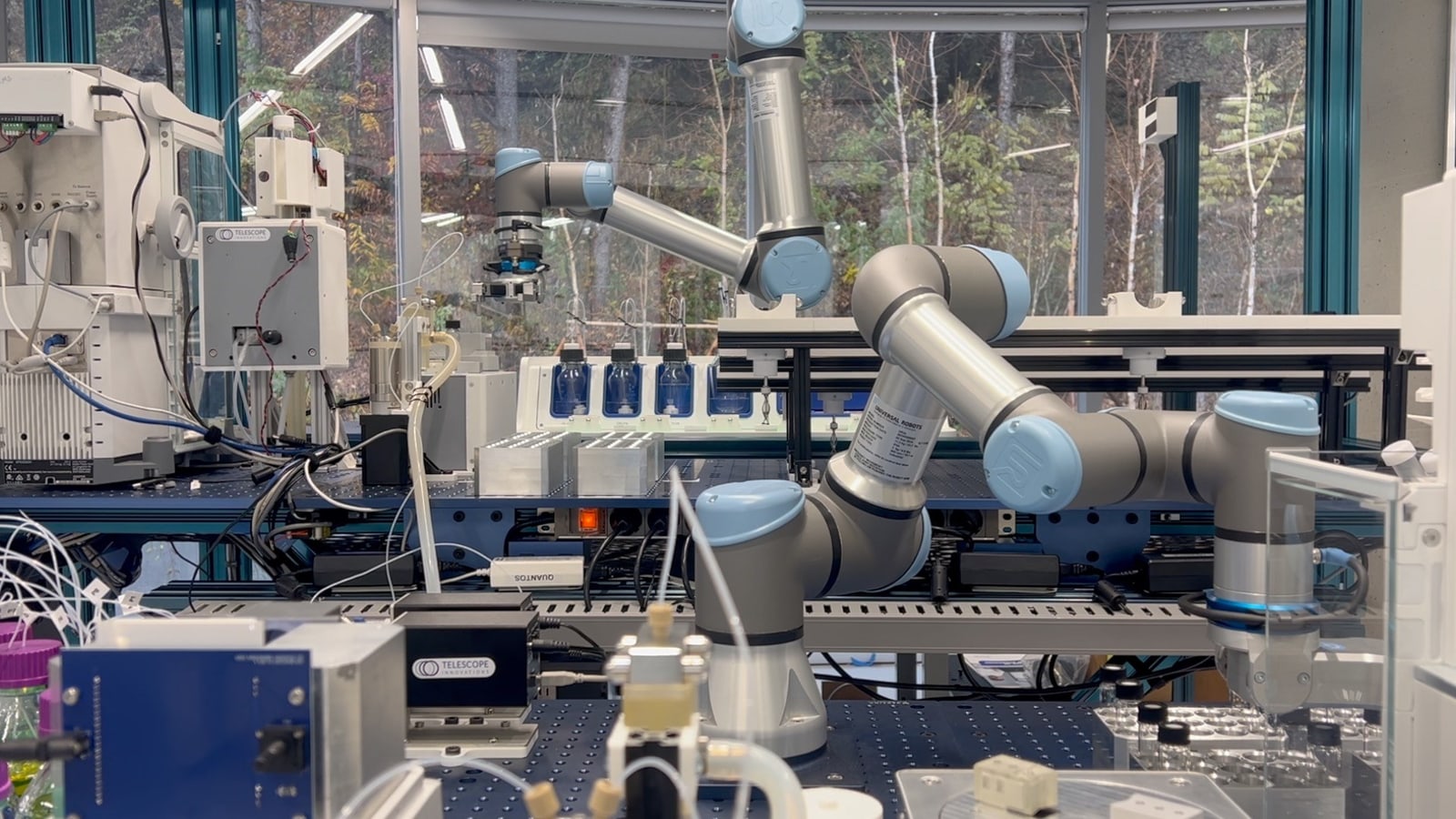
Two orders would expand a Vancouver supplier's installed base to five automated chemistry labs across three continents once the equipment is in place. Telescope Innovations Corp. CNSXTELI OTCMKTSTELIF FRAJ4U, a developer of automated research equipment for drugmakers and chemical producers, said Nov. 24 it had received firm purchase orders from two pharmaceutical companies.
Telescope is preparing one system for the United States and one for Europe. It did not name either buyer or say whether either had bought equipment from the company before. The release gives no order value, deposit terms or payment schedule.
Telescope's Canadian shares CNSXTELI rose to C$0.29 on the Canadian Securities Exchange as of 4:00 p.m. EST on Nov. 23. The U.S. OTC listing OTCMKTSTELIF was quoted at US$0.20 as of 4:00 p.m. EST that day. Both quotes preceded the order announcement.
Telescope expects to deliver both systems by the end of December. The release gives no dates for installation or customer acceptance, which the company lists as possible sources of delay. It also does not say whether any cash has changed hands or when Telescope expects to book the sales.
Telescope Has Already Installed Labs in Both Markets
The November release says Telescope completed its first deployment in Europe and another U.S. installation over the preceding year. The company's Oct. 5 preliminary financial update listed delivery of an autonomous crystallization system for a drugmaker's European operations. The same update reported a precedent for repeat deployment: Telescope had installed a second lab at an existing pharmaceutical customer.
The South Korean installation serves a manufacturers' association with a training centre in Seoul. Telescope reported on Dec. 9, 2025 that it installed the system three weeks after the purchase was finalized, with help from the University of Toronto's Acceleration Consortium. The November release says the Seoul site is used for pharmaceutical research and training and hosted Canadian government and embassy representatives in October.
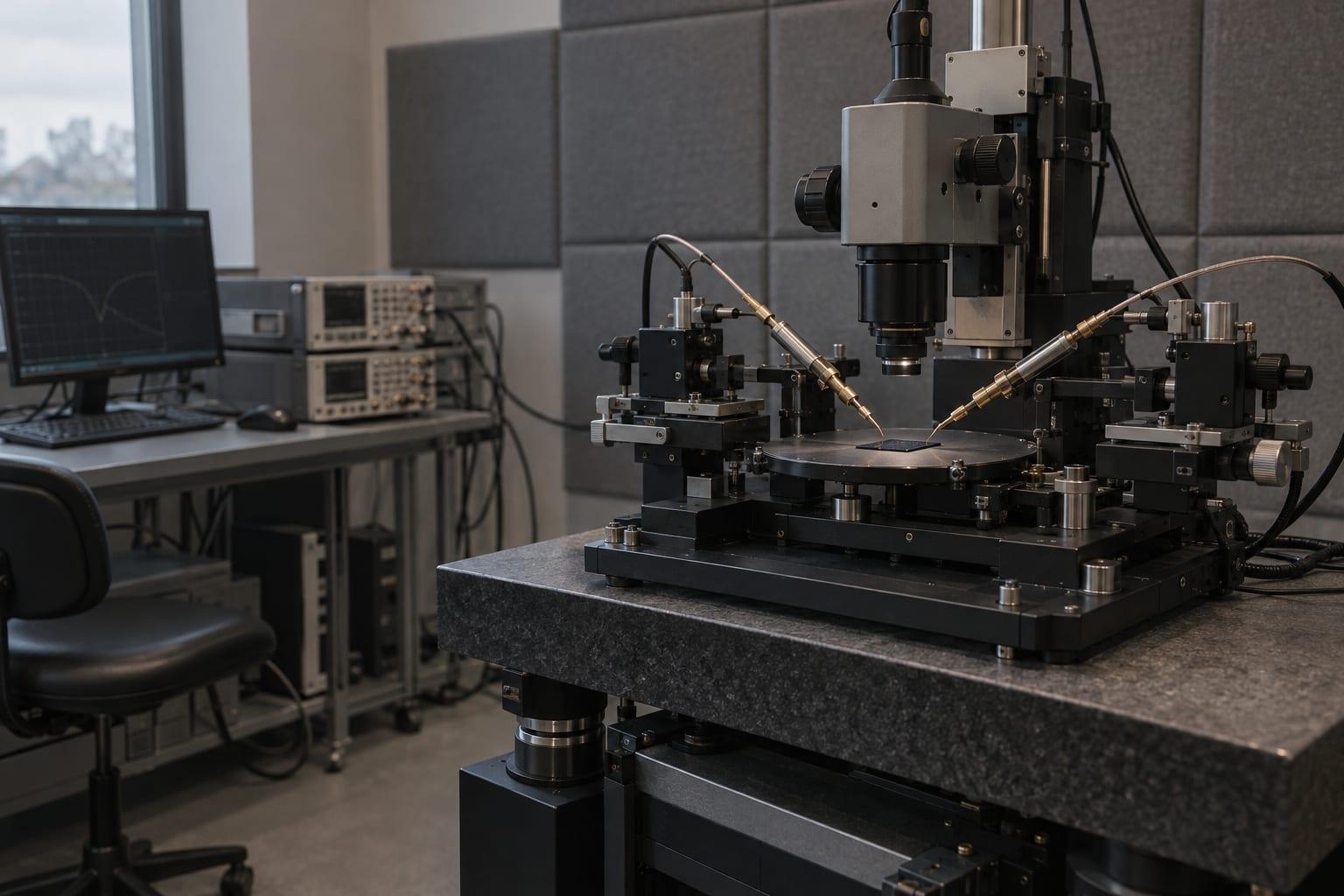
Telescope combines robotics, real-time analysis and AI software in its labs to run and assess chemistry experiments. The Nov. 24 release gives no configuration for either order and reports no comparison with manual work that would quantify time or cost savings for the buyers.
"These upcoming deployments reflect growing confidence in SDLs as critical research infrastructure for accelerating innovation and reducing time-to-market in the biopharma sector," Telescope chief executive Henry Dubina said in the release.
Alastair J. Florence, a pharmacy researcher at the University of Strathclyde, and his co-authors reported in a 2026 perspective in Matter that a workshop of more than 50 participants identified a need for clearer benchmarks to demonstrate the value of self-driving labs. They also identified the need for better standards so tools can work together and results can be reproduced. The paper summarizes an industry and research discussion and includes a co-author from the consortium that helped with the Seoul project.
Lab Systems Were One of Three Revenue Sources
Telescope estimated revenue of about C$9.3 million for the year ended Aug. 31, up from about C$5.8 million for fiscal 2025. The unaudited Oct. 5 estimate combines lab deliveries with sales of reaction-sampling instruments and contract research and development work. The release did not break out revenue from the labs.
Telescope also estimated a fiscal 2026 net loss of about C$4.6 million, compared with about C$1.5 million in fiscal 2025. It put operating expenses at about C$13.9 million for fiscal 2026, including about C$2 million for investor awareness and marketing programs that ended during the year.
Tecan Group AG SWXTECN, a Swiss lab automation supplier, reported on Nov. 5 that its life sciences sales rose 5.6 per cent in local currencies in the third quarter. Tecan cited growth among biopharma customers and reported higher sales of liquid-handling instruments alongside growth in recurring revenue from services, consumables and reagents.
Mugglehead's Nov. 18 coverage of an AI licensing option for cancer-cell detection tracked a different route to market for a lab tool. Telescope has received orders for equipment, but its announcement does not say whether support or software for either system will generate separate revenue.
Read more: Telo Genomics discloses option for worldwide AI cancer-cell licence
Telescope expects to release its audited fiscal 2026 statements by Dec. 29, the next check on the preliminary figures for the year ended Aug. 31. The operating milestone for the two new orders is delivery by Dec. 31, the company's stated year-end target.