Sleep tech innovator 'Kimba' launches novel scent therapy system
The company's official debut coincides with a US$6.5M fundraising
 Rowan Dunne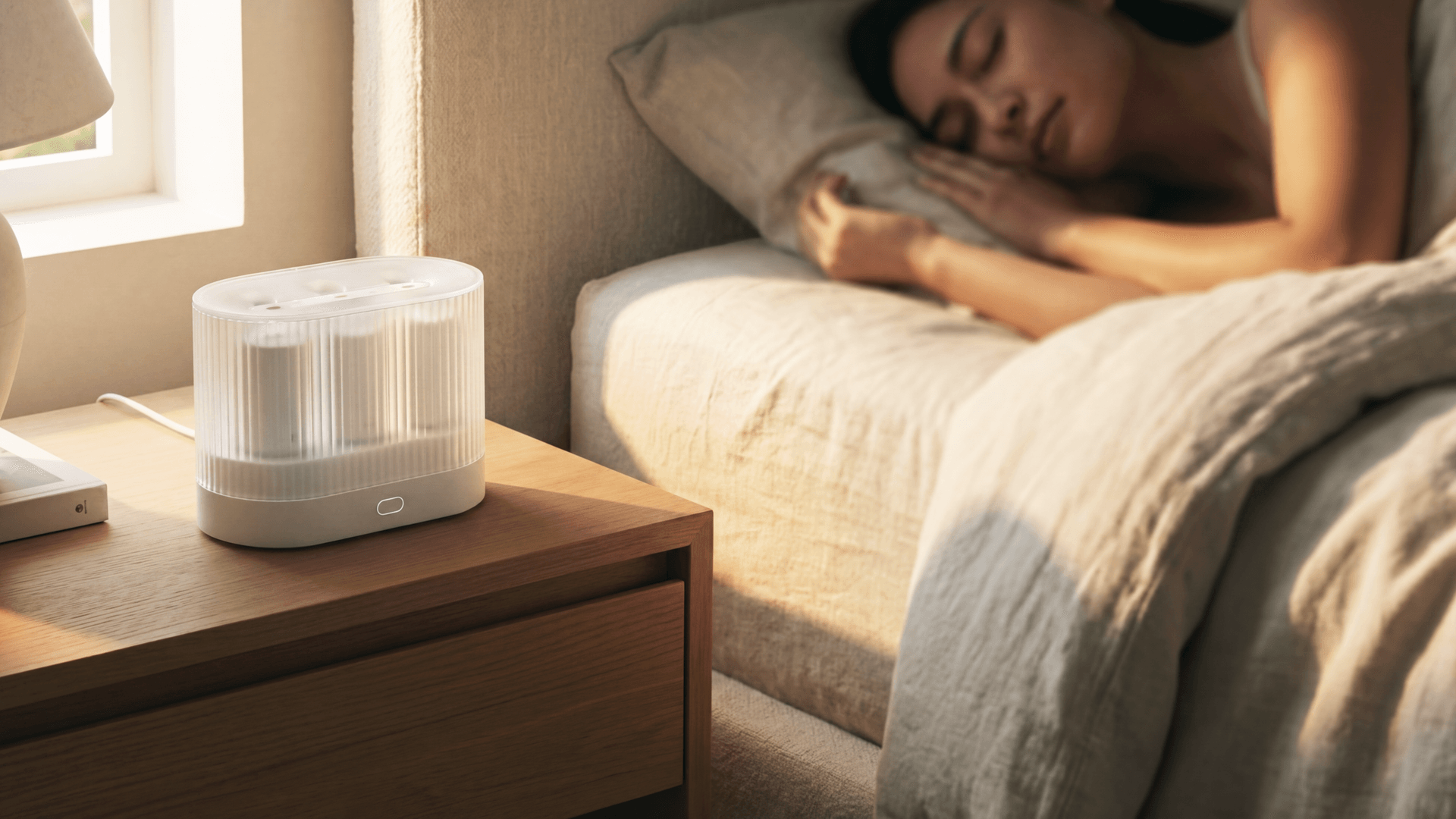
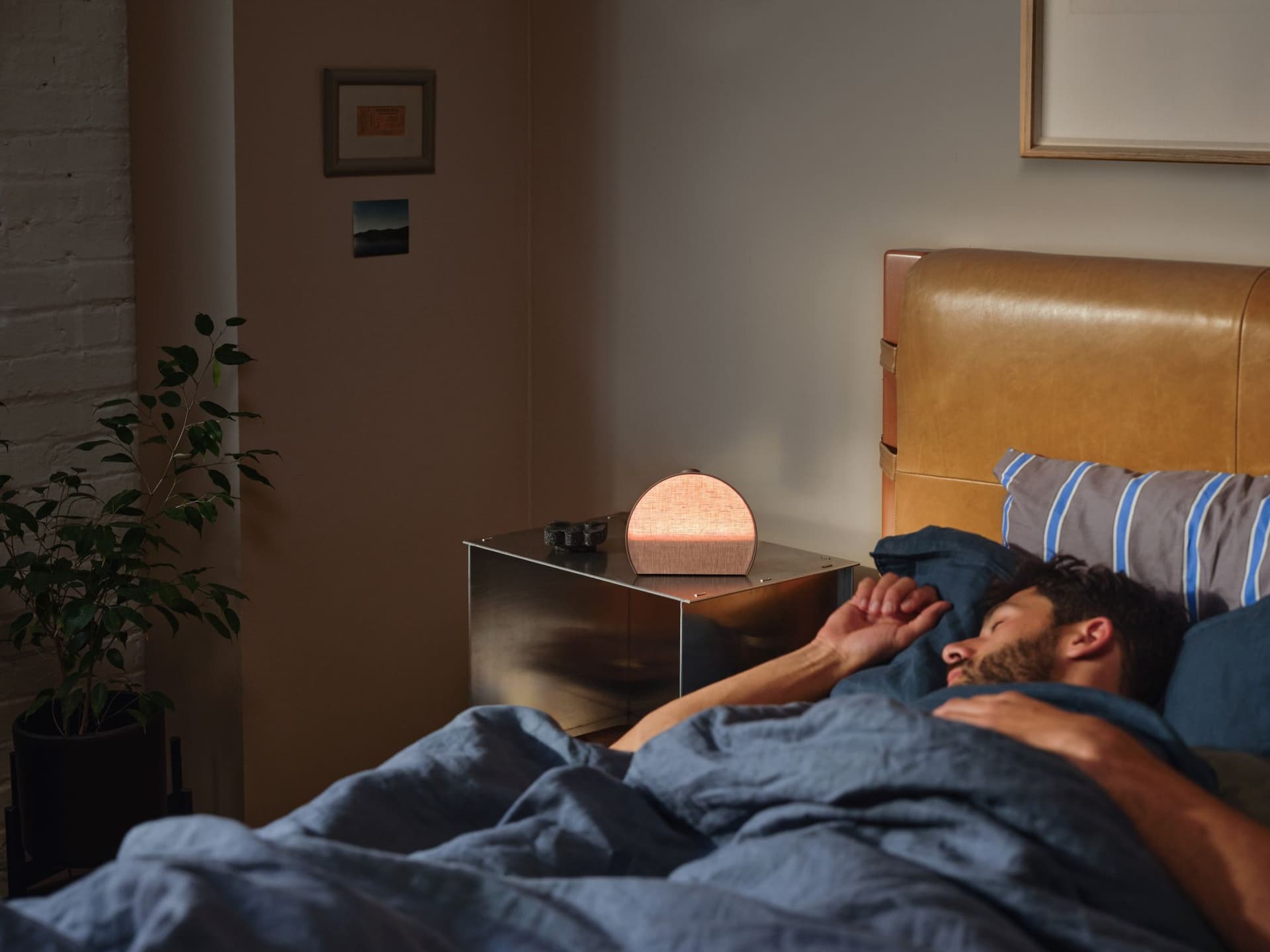
An American sleep tech company has launched a bedside device that works directly with the brain’s emotional and memory centres during sleep, using short pulses of personalised scent.
New York-headquartered Kimba made its official debut on Jun. 16 with US$6.5 million in fresh funding. Venture capital firm Selva Ventures led the fundraising.
Kimba was founded by Ben Fuxbruner after a severe injury during his service in an Israel Defense Forces canine unit left him with PTSD and chronic insomnia. His company gets its name from a service dog that he lost in combat. Drawing on his experience with scent-based conditioning in dog training and later engineering research into olfactory stimulation, he built a system that harnesses the direct neural route scent takes to the brain’s limbic system.
Kimba recently highlighted that unlike vision or hearing, which pass through the thalamus, smell travels straight from the nose to the olfactory bulb and then into areas involved in emotion, memory and automatic bodily responses. This pathway remains active even while a person sleeps.
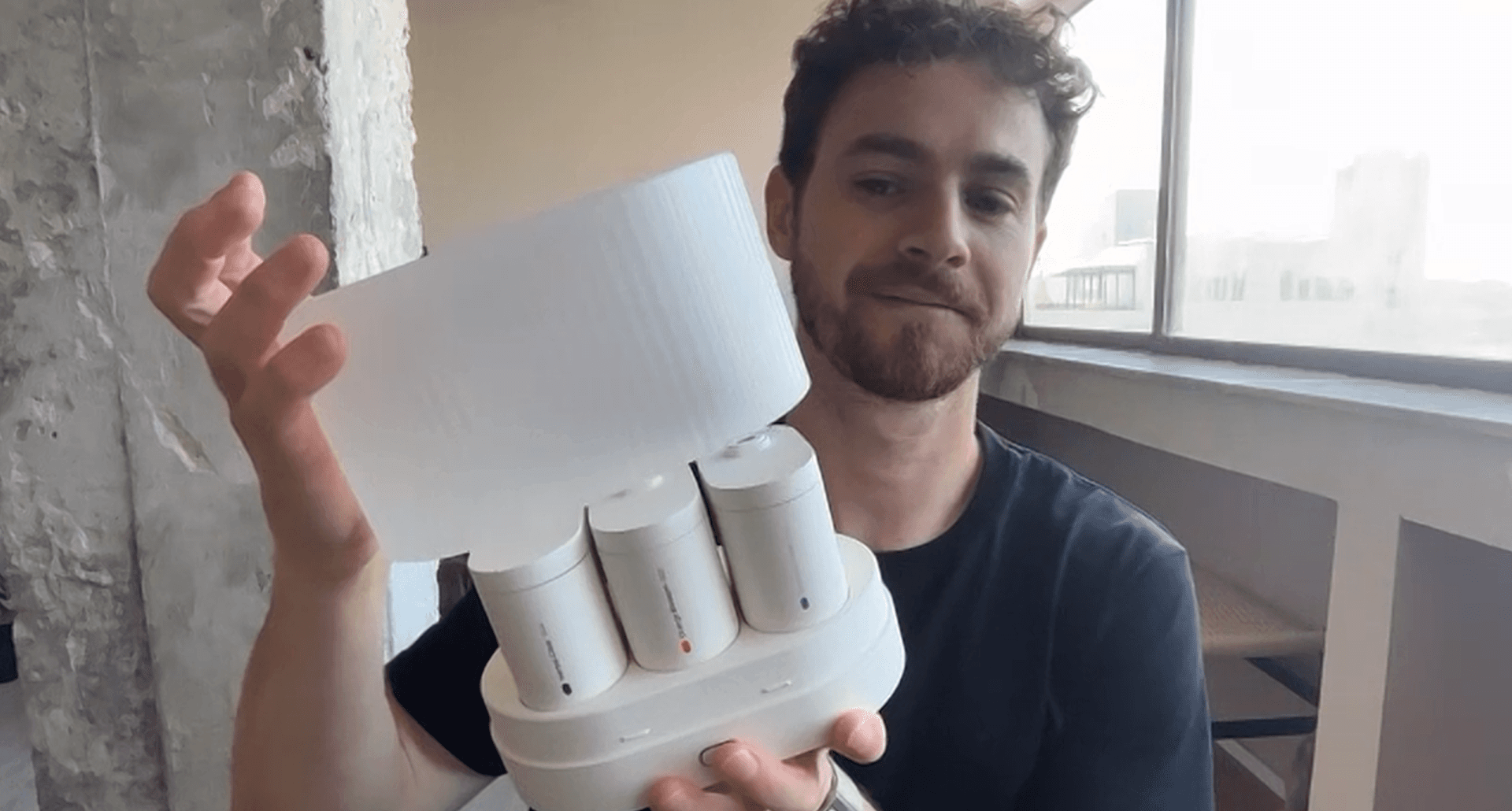
Kimba’s device sits beside the bed, connecting to wearables and its own sensors. Wearables that Kimba can pair with include devices from WHOOP, Oura, Fitbit, Garmin and the Apple Watch. It tracks heart rate, breathing patterns, movement and estimated sleep stages in real time. When the AI detects rising restlessness or a shift toward lighter sleep, it releases a brief, tailored pulse of scent. The short delivery prevents the nose from adapting and losing sensitivity.
“One of the reasons Kimba is very different than using diffusers or other scent devices in your room is because it actually adapts based on timing and based on what the individual needs,” Fuxbruner explained in an interview this week.
Users begin with a sleep profile and receive three scent capsules that can be used alone or combined. Every three months a subscription delivers a fresh, updated set of personalised capsules that last for the entire quarter.
A recent double-blind study with 50 participants showed 86 per cent reported better sleep quality and a 21 per cent improvement in cognitive performance. Two further trials are underway: one examining effects on PTSD and mental health with another 50 participants, and another to measure deeper brain activity and refine the algorithms.
Read more: SOND’s new sleep tech ear buds may be the most advanced yet
Kimba stands out for its contact-free science
Most sleep products either track data passively or require users to wear something on their face or head. Kimba, on the other hand, is contact-free and works in the background. Its core advantage lies in how it uses the science of scent.
Because smell reaches the limbic system quickly, it can influence stress responses, breathing rate and emotional tone without waking the user. Research shows the sleeping brain still processes scent, particularly during REM sleep when the limbic system is more active.
Kimba differs from traditional scent-based sleep products in two key ways. First, it delivers scent in short, precisely timed pulses rather than continuous release. This avoids habituation — the process where the brain stops responding to a constant smell. Second, it personalises in real time. The AI analyses the user’s current physiological signals and sleep stage, then selects or blends scents accordingly, as specified by the company.
What calms one person in light sleep may differ from what supports another in deeper stages. Kimba says the system adapts minute by minute instead of following a fixed programme.
“It’s not just a type of aromatherapy that takes oils and puts them into water, it’s formulated scientifically and naturally using our own lab,” Fuxbruner explained.
He and co-founder Gabi Beck have been working to make this launch a reality since late 2023.

Next is Ben laying out Kimba’s vision to improve users’ sleep quality in real-time by using AI to analyze biometric data and diffuse personalized scent therapy from its custom device. kimba.ai #TSDemoDay #NYTechWeek

Kimba’s ambitions going forward
Kimba aims to reach 10,000 subscribers within its first few months of commercial availability. The recent funding supports the manufacturing scale-up required for this target.
At the same time, the company is expanding its clinical research programme. The dual model of consumer use and scientific studies allows large-scale real-world data to inform algorithm improvements while trials provide evidence on specific outcomes such as sleep stability, cognitive performance and mental health.
Additional partnerships with U.S. research institutions are planned to explore how targeted olfactory stimulation affects different populations and conditions linked to poor sleep.
Consumers can pre-order the device now at kimba.ai. The launch package costs US$299 and includes the Kimba unit, software access, a six-month membership and a six-month supply of personalised scents.
“So many people want to improve their sleep and don’t find a good solution,” Fuxbruner stated. “Kimba has the potential to help them, and we’re here for the long term.”
Read more: Finnish sleep tech ring maker ŌURA prepares to go public
Follow Rowan Dunne on LinkedIn
rowan@mugglehead.com