Rock Tech Lithium wins CAD$262,500 Ontario grant to test forestry by‑product in lithium processing
The provincial grant comes through Ontario's Critical Minerals Innovation Fund
 Joseph Morton
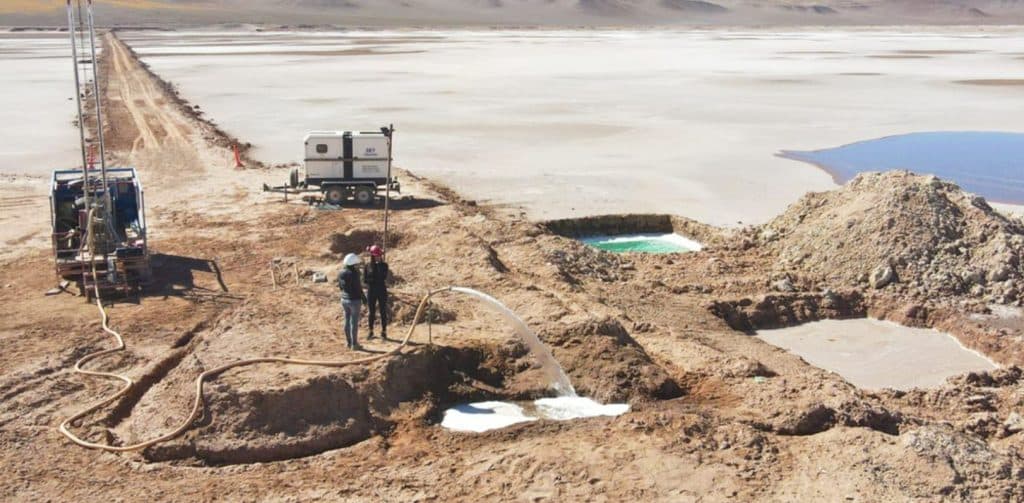
Rock Tech Lithium CVERCK (OTCMKTS: RCKTF) has secured CAD$262,500 from Ontario’s Critical Minerals Innovation Fund to test whether a forestry by-product can improve lithium processing while reducing reliance on imported chemical reagents.
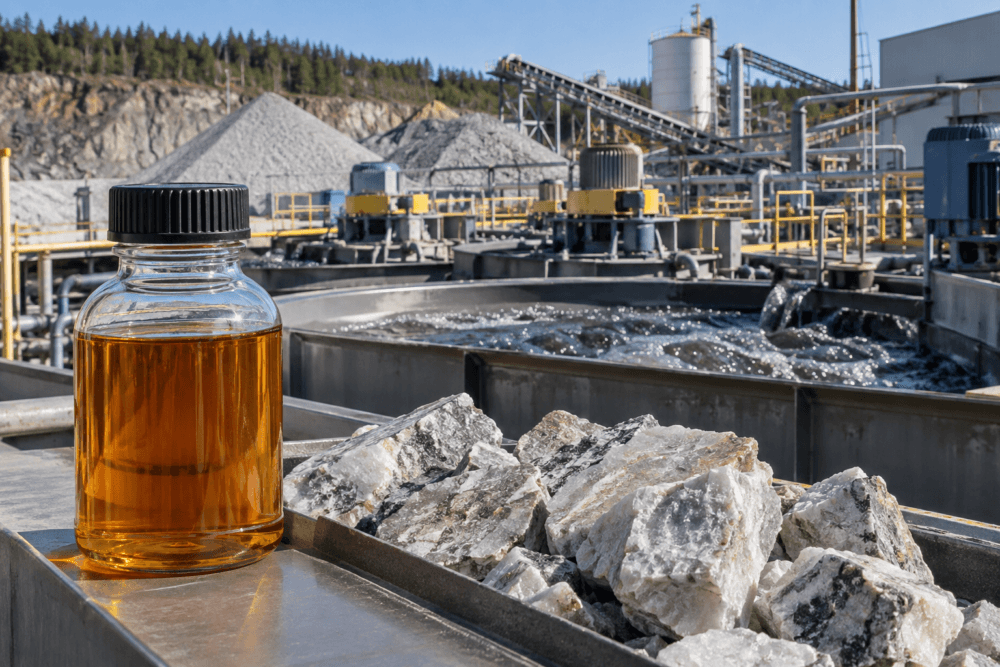
The company will evaluate crude tall oil, a material produced by Ontario’s pulp and paper industry, as a flotation reagent at its Georgia Lake lithium project.
Flotation separates valuable lithium-bearing minerals from waste rock during mineral processing. Companies commonly rely on specialized chemical reagents to complete that step. Rock Tech wants to determine whether crude tall oil can perform the same role while creating a domestic supply source.
Additionally, the project could create a new market for a by-product already generated by Ontario’s pulp and paper mills. If successful, the approach may reduce processing costs while giving forestry companies another source of revenue.
The provincial grant comes through Ontario’s Critical Minerals Innovation Fund, which supports research aimed at strengthening domestic supply chains for critical minerals used in batteries, electric vehicles and other advanced technologies.
Rock Tech said the study builds on another provincially funded project completed earlier this year. In May, the company reported positive results from an ore sorting program that identified a potential pathway to reduce processing capital costs by up to 50 per cent at the Georgia Lake project before conventional processing begins.
This latest initiative will examine whether crude tall oil can improve flotation performance while lowering dependence on conventional or imported reagents. Researchers will also study how the material could fit into future project designs if testing proves successful.
Read more: Cornell researchers restore EV batteries without shredding them
Read more: Rivian deploys second-life EV battery system to cut factory energy costs
Work could lower emissions and improve project economics
Meanwhile, Ontario has made domestic critical minerals production a strategic priority as governments seek secure supplies for battery manufacturing and energy storage. The province has also promoted stronger connections between mining and other resource industries.
Rock Tech believes crude tall oil could help connect those sectors. The material already exists as a by-product of Ontario’s pulp and paper operations, creating an opportunity to source processing chemicals closer to future lithium mines.
Chief executive officer Mirco Wojnarowicz said the company appreciates Ontario’s continued support through the innovation fund. He said future competitiveness will depend not only on extracting critical minerals but also on developing better processing methods.
Furthermore, Wojnarowicz said the project brings together Ontario’s strengths in mining, forestry and research. He added that the work could lower emissions and create new opportunities for domestic industries. It could also strengthen Canada’s critical minerals supply chain and partnerships with allied countries.
The company will conduct the research with Thunder Bay Pulp and Paper and researchers from Queen’s University. The partners will evaluate whether the forestry by-product can serve as a practical flotation reagent with commercial applications.
Additionally, the collaboration combines public funding with industrial expertise and academic research. Rock Tech said the work aims to improve processing efficiency while supporting cleaner production methods.
Kevin Holland, the Member of Provincial Parliament for Thunder Bay-Atikokan, said Northwestern Ontario has the workforce, natural resources and technical expertise needed to lead future critical mineral development. He said the investment encourages closer cooperation between the region’s mining and forestry industries while supporting innovation close to home.
Read more: Canada launches finance taxonomy to steer USD$115B into climate investment
Read more: Eni invests USD$225M in EnergyX’s Black Giant lithium development
Researchers continue developing lithium processing technologies
Holland also said the partnership between Rock Tech, Thunder Bay Pulp and Paper and Queen’s University could create new business opportunities for local industries. He added that investments through the Critical Minerals Innovation Fund help keep more economic benefits from resource development in Northern Ontario while supporting jobs and long-term regional growth.
Charlotte Gibson, assistant professor and associate head of Queen’s University’s Robert M. Buchan Department of Mining, said the funding expands an existing partnership between the university’s Critical Minerals Processing Lab and Rock Tech. She said researchers will continue developing lithium processing technologies while evaluating whether Ontario establishes local supply chains that strengthen production.
Furthermore, the project could support broader industrial diversification across the province. If crude tall oil proves effective, Ontario’s forestry sector could supply processing materials to the province’s growing lithium industry instead of treating the by-product as a lower-value output.
Rock Tech plans to incorporate the findings into its broader Ontario development strategy. That strategy includes the Georgia Lake lithium project and the proposed Red Rock Converter in Northwestern Ontario.
The company aims to establish a vertically integrated lithium supply chain linking mineral production with downstream processing. Additionally, Rock Tech said stronger domestic processing capacity could support growing demand for battery materials across North America and Europe. They’re doing this as governments expand electric vehicle manufacturing, energy storage and defence-related supply chains.
.